
Why Does Your Business Need a Certified E-Waste Recycling Certificate in 2026?
A certified e-waste recycling certificate is a document that is issued by an authorized recycler or by the authorized compliance channels.
Schedule a Call Back
2,000+ e-waste EPR assignments since 2018
Clients include Intangles Lab, Emerson Automation Solutions Intelligent Platforms, Deki Electronics, Amzetta Technologies, Alogic Electronics India, KWW Electricals & Electronics, Emerson Process Management (India), Lianchuang Electronic India, Q-Line Biotech, Genes 2ME, Sanrad Medical Systems, Agfa Healthcare India (12 of 850+ served since 2018).
A few more clients we've served in this industryHide the list
- Electronics and technology
- Intangles Lab · Emerson Automation Solutions Intelligent Platforms · Deki Electronics · Amzetta Technologies · Alogic Electronics India · KWW Electricals & Electronics · Emerson Process Management (India) · Lianchuang Electronic India
- Pharma and healthcare
- Q-Line Biotech · Genes 2ME · Sanrad Medical Systems · Agfa Healthcare India · Dental Tree Supply Company · Vital Sign Medidevices · Trivitron Healthcare · Radimage Healthcare India
- Engineering and manufacturing
- Juki India · Hilti India · Migatronic India · Bauer Equipment India · Aptiv Components India · Wacker Neuson Equipment · Franklin EV India
- Logistics and trade
- Siddhartha Logistics · Zenexpress Logistics · MOL Logistics (India) · Fibs Logistics India
- Food and consumer goods
- Milano Ice Cream · Milano22 Foods · Milano21 Foods
- Energy and power
- Eirmon Solar System · Spear Solar System · Bitek Solar · Nash Energy (I)
- More clients
- Cambro Nilkamal · M.C. Dean Systems India · Haesi GHL · Meditronix Corporation · Nash Industries (I) · Nilkamal · Franke Faber India · Alten India · Parswa Exports · Indicate Exim · Truetech Services · BitVoice Solutions · Heidelco Medicore · Trans Health Care India
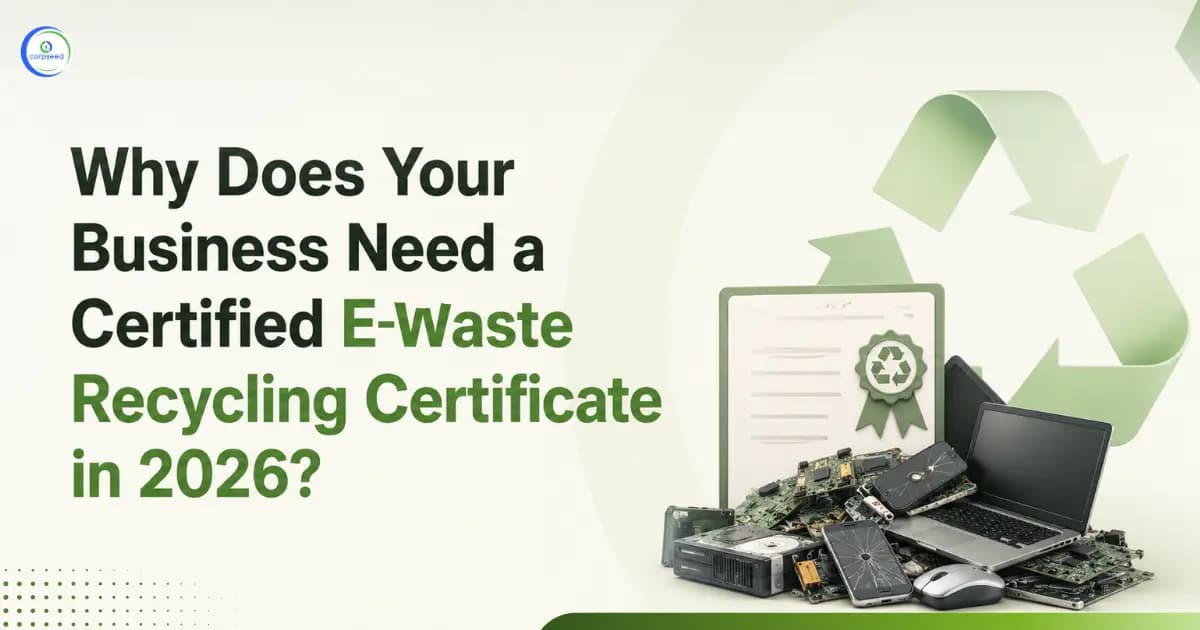
An increasing amount of electronic waste is being generated as businesses are continually upgrading systems, devices, and infrastructure. In 2026, the regulatory landscape is tightening up around e-waste management, particularly with the implementation of India's E-Waste Management Rules, 2022, and subsequent compliance changes. For electronics businesses, getting a certified e-waste recycling certificate is no longer an option. It is a critical compliance requirement that directly affects operations, brand credibility, and market access.
Understanding the Certified E-Waste Recycling Certificate
A certified e-waste recycling certificate is a document that is issued by an authorized recycler or by the authorized compliance channels. It certifies that the discarded electrical and electronic equipment has been treated following the environmental standards established by the Central Pollution Control Board and State Pollution Control Boards.
This certification signifies responsible disposal, recycling, and material recovery. It also helps to keep hazardous materials like lead, mercury, and cadmium under control, reducing the risk of environmental damage and legal liability.
This certification validates responsible disposal, recycling, and material recovery. It also ensures that hazardous substances such as lead, mercury, and cadmium are handled safely, preventing environmental damage and legal exposure.
Regulatory Framework Driving Compliance in 2026
India follows the Extended Producer Responsibility model under the E-Waste Management Rules, 2022. Producers, manufacturers, importers, and brand owners (PIBOs) shall ensure appropriate collection and recycling of e-waste arising from the products.
The compliance system is completely digitalized through the CPCB portal in 2026. Companies are required to comply with the recycling goals and produce a valid EPR authorization from registered recyclers. Non-compliance may result in environmental compensation penalties, cancellation of registrations, and limitations on business activity.
Schedule a Call Back
Why Businesses Cannot Ignore E-Waste Certification
E-waste compliance has moved beyond a routine regulatory formality. Compliance with e-waste regulations is no longer a mere formality in 2026. It is directly connected to business continuity, approval, and credibility. Authorities now track with greater diligence and digital reporting systems, avoiding certification may result in significant operational and financial implications.
-
Legal Compliance and Risk Avoidance
A certified e-waste recycling certificate serves as a formal record of handling the waste in accordance with the regulations. The CPCB portal is actively used to monitor compliance by pollution control authorities. The absence of valid certification at inspections may lead to penalties, environmental compensation charges, and even suspension of business registrations.
-
Mandatory for EPR Target Fulfillment
Extended Producer Responsibility requirements set recycling targets for businesses based on the amount of products placed on the market. Only valid EPR certificates created by authorized recyclers can achieve these targets. If certified recycling is not in place, targets remain incomplete, resulting in non-compliance and regulatory action.
-
Essential for Business Continuity and Approvals
Environmental compliance is now a prerequisite for many industries. The absence of proper e-waste certification can cause delays or even prevent approvals when applying for licenses, renewals, or participating in government tenders. It has become an essential requirement for uninterrupted operations.
-
Strengthens ESG and Corporate Responsibility
Sustainability is now a measurable business factor. Certified e-waste recycling supports ESG commitments by ensuring the responsible disposal of hazardous materials. It reflects a structured environmental approach, which is increasingly valued by investors, stakeholders, and global partners.
-
Protects Brand Reputation
If the electronic waste is not handled properly, it can cause embarrassment and public exposure. Certification provides transparency and traceability in disposal and minimizes the risk of environmental violations being linked to the business.
Who Needs an E-Waste Recycling Certificate?
Businesses across multiple sectors require this certification, including:
- Electronics manufacturers and assemblers
- Importers of electrical and electronic equipment
- IT companies and data centers
- Telecom and infrastructure companies
- Bulk consumers generating significant e-waste
For service-based companies that replace IT assets, they often need to ensure certified disposal to stay compliant.
How the Certification Process Works
The first step is to determine the amount and category of e-waste produced. The businesses are then required to register with a CPCB-registered recycler or a Producer Responsibility Organization.
The recycler collects and processes the waste as per approved methods. After the recycling, an official certificate is issued on the CPCB portal. This certificate is then used to comply with EPR obligations or for compliance reporting.
Proper documentation is essential at every stage, including invoices, waste transfer records, and recycling proof.
Key Benefits of Early Compliance in 2026
E-waste regulations in 2026 are more structured and strictly monitored through digital systems. Early compliance helps businesses stay prepared and avoid last-minute risks or disruptions. The following are the key benefits:
- Maintains safe work practices and avoids penalties/compliance pressures by ensuring timely certification and documentation.
- Better cost management by reducing dependency on expensive last-minute EPR certificate procurement.
- Faster approvals and renewals due to updated compliance records and accurate filings.
- Smooth business operations with no interruptions caused by regulatory issues or non-compliance.
- Stronger market credibility, which improves chances in tenders, partnerships, and vendor onboarding processes.
Common Compliance Challenges
Lack of proper documentation, choosing the wrong recyclers, and delayed certificate issuance are common compliance challenges for many businesses. These gaps can lead to last-minute stress and risk of non-compliance.
Another major challenge is underestimating EPR targets, which leads to shortfalls at the end of the financial year and higher costs to cover the gap. Inaccurate tracking of e-waste generation and improper record keeping also add to compliance risks.
To ensure complete regulatory alignment and prevent operational or financial delays, it is crucial to plan, assess and certify properly and on time.
Conclusion
A certified e-waste recycling certificate is essential for businesses handling electronic products or creating electronic waste in 2026. It is directly connected to legal compliance, EPR target fulfillment, and corporate responsibility standards.
By emphasizing certified recycling, businesses can boost their market standing and credibility while also avoiding penalties. In today's landscape of increased regulations and digital oversight, timely certification is crucial for sustainable and compliant business operations.
About the Author

Parul Bohral
Legal Content WriterParul Bohral, a BALLB graduate and experienced legal researcher and content writer with expertise in various legal areas, including corporate law and intellectual property. I have gained valuable experience in esteemed legal environments, where I have strengthened my research skills, allowing me to approach legal writing with precision and depth.
As a legal content writer, I am committed to delivering work that not only informs but also engages readers. By staying informed about the latest trends in content marketing and regulatory developments, I ensure that my writing remains sophisticated and meets industry standards. My dedication to thorough research enables me to craft content that is both insightful and impactful.
Related articles
CPCB SOP 2026 for CTE and CTO Approvals - Timelines, Inspections and Key Directions
2026-10-30
E-Waste EPR for Electronics Brands: Registration, Targets & Annual Compliance
2026-10-26
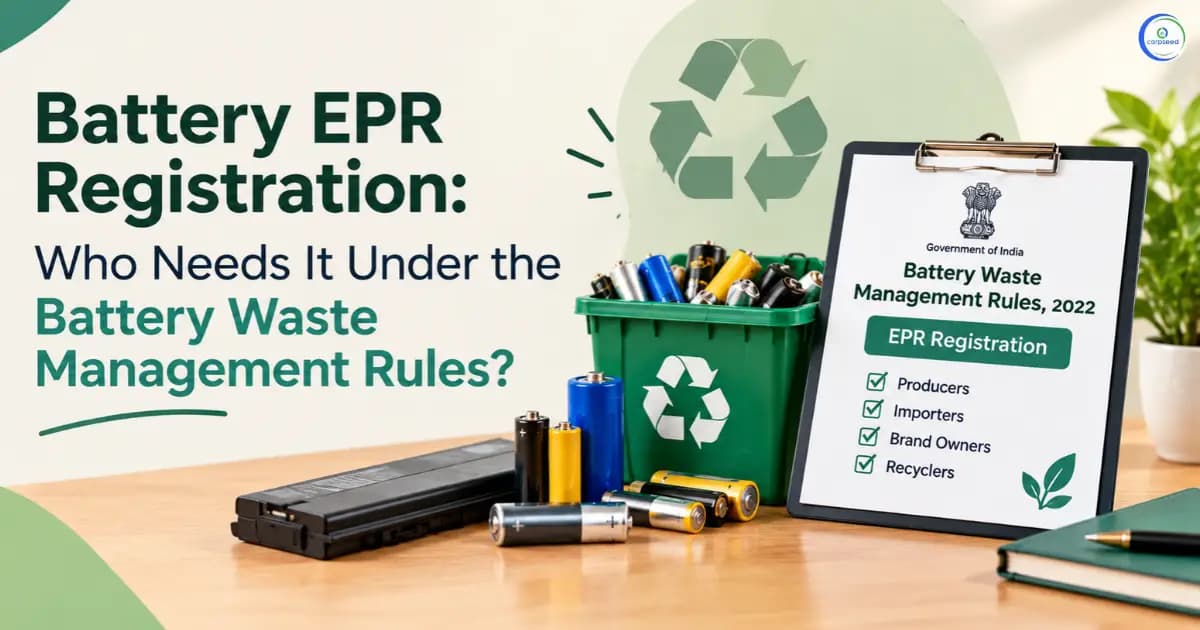
Battery EPR Registration: Who Needs It Under the Battery Waste Management Rules?
2026-10-26
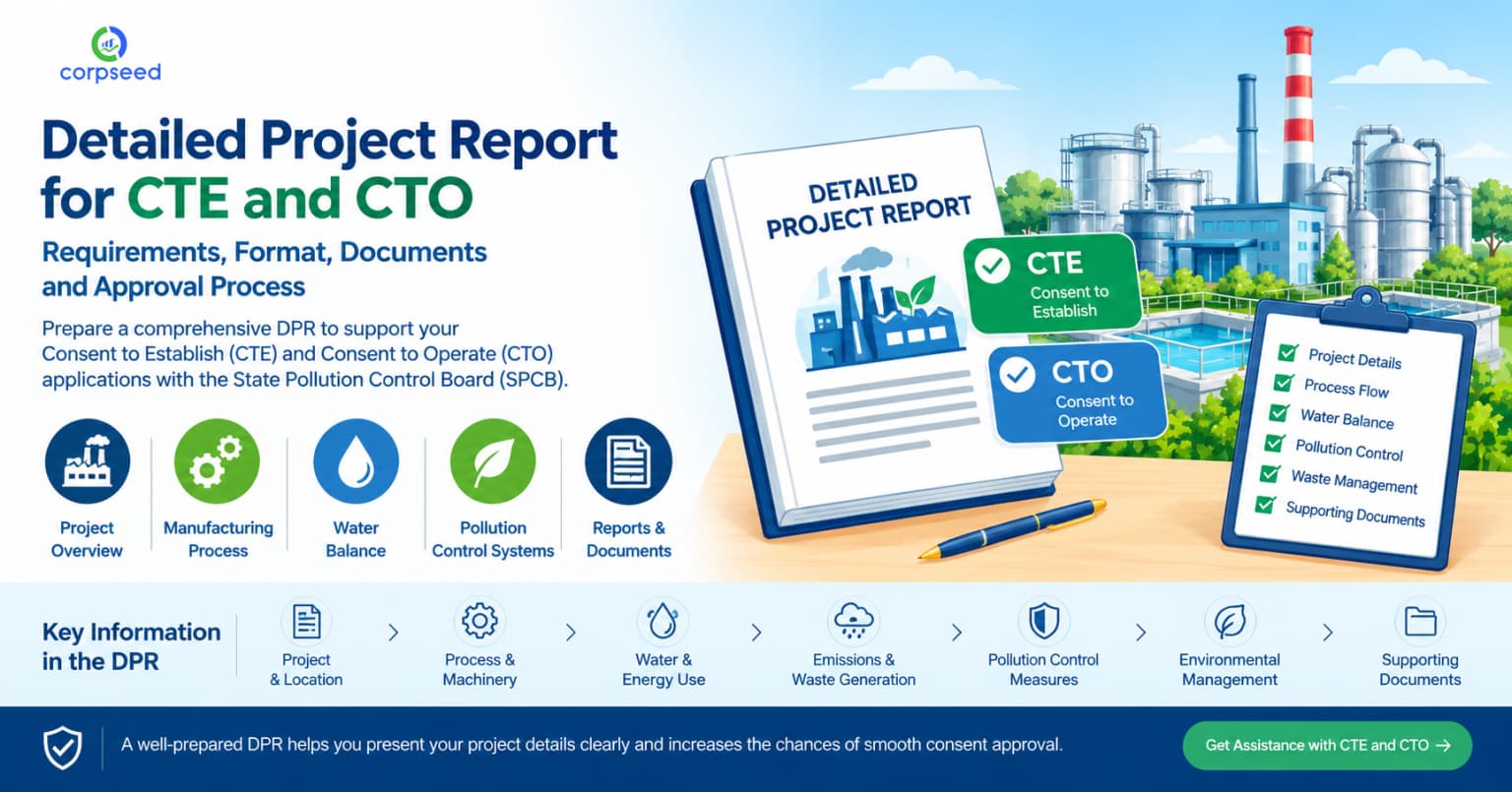
Detailed Project Report for CTE and CTO: Requirements, Format, Documents and Approval Process
2026-10-22
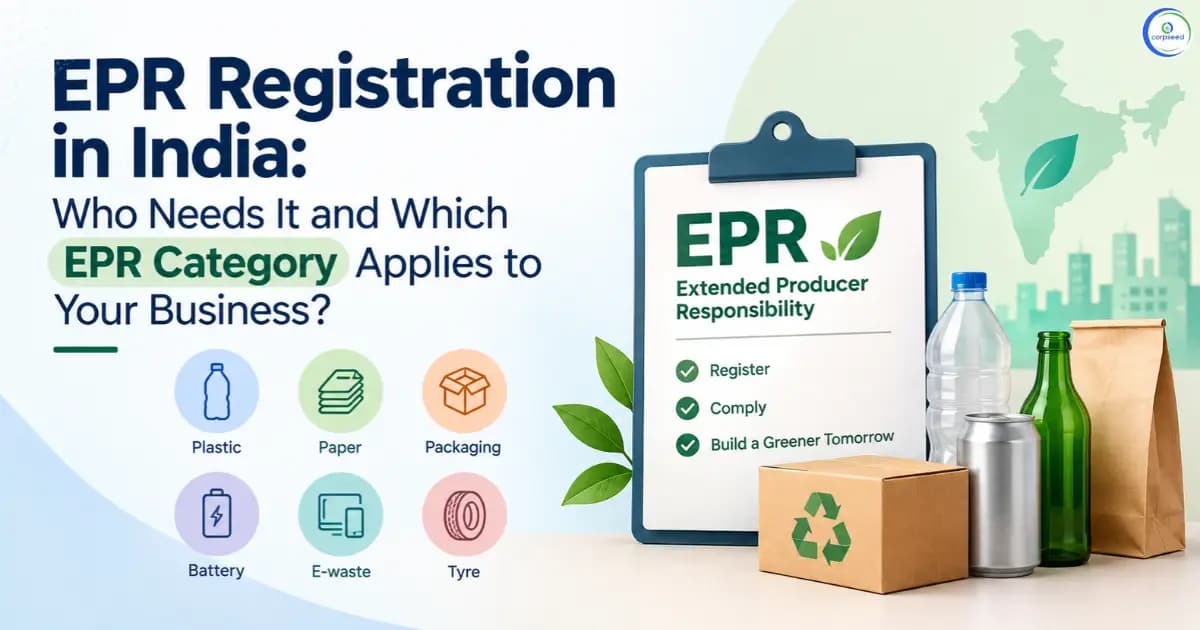
EPR Registration in India: Who Needs It and Which EPR Category Applies to Your Business?
2026-10-21
CPCB Guidelines on Levy of Fees Under the Solid Waste Management Rules, 2026
2026-10-07