
How to Manage Zero Liquid Discharge in a Lithium Battery Recycling Unit?
Zero Liquid Discharge in Lithium Battery Recycling is an advanced wastewater management approach where all liquid effluent is fully treated and converted into reusable water and solid waste.
Schedule a Call Back
1,800+ plant setup, DPR and CTE/CTO assignments since 2018
Clients include Quantara Battery Recycling, Servotech Renewable Power System, Intangles Lab, Alten India, Saurya Urja Company of Rajasthan, 20Cube Logistics Solutions, Adit Buildwell, Bake Wish, Ecowise Trading, Magnum Aluminium, PMS Waste Management, GS E-Commerce.
A few more clients we've served in this industryHide the list
- Battery recyclers
- Quantara Battery Recycling
- Plant setup clients (DPR, CTE, CTO)
- Servotech Renewable Power System · Intangles Lab · Alten India · Saurya Urja Company of Rajasthan · 20Cube Logistics Solutions · Adit Buildwell · Bake Wish · Ecowise Trading · Magnum Aluminium · PMS Waste Management · GS E-Commerce · Beaucience India · Jiva Ayurveda Pharmacy · Radical Aftermarket Services · SNS Metpro Industries · Enershell Alloys and Steel · Gorevive · Innovation Elephants · P P Bafna Ventures · Sun Mobility · Daebak India Recycler · Ganesh Foundry & Cast · Ganix Rubber Recycling · Pashidaa E Waste Copper Battery Recycling PLT Company · RSV Seeds & Agro Chemicals Products · Boulevard Hotel and Resorts · Dev Plast Privat E · Flexfit Activewear · Resurge Green Tech · SAM Constructions · Abhinandan Jan Kalyan Society · GCM Carbon · Infrathon Projects · Inland Speciality Metals · Moore Pipe India · R K Laxmi General Sales · S G Overseas · Shreeji Anand Resort · SR Polygrain · Switch 2 Nature · Blubble · M-Swasth Solutions · Krisba Healthcare · Meritech India · Proximise · Enzolt Energy · Rays Global Energypower

Lithium Battery Recycling is becoming an important part of the clean energy shift. As the use of electric vehicles, energy storage systems, and portable electronics continues to grow, the number of discarded lithium batteries is also rising rapidly.
Recycling lithium batteries also creates a major wastewater challenge that many people do not notice initially. This water contains harmful chemicals and tiny metal particles that come out during the recycling process. If the plant discharges this water without properly cleaning it, it may cause serious environmental harm. If not treated correctly, it may also result in regulatory non-compliance.
Zero Liquid Discharge in Lithium Battery Recycling is now considered one of the most effective solutions for managing industrial effluent. It ensures that no wastewater is discharged outside the facility and all water is treated, recovered, and reused within the system.
What is Zero Liquid Discharge in Lithium Battery Recycling?
Zero Liquid Discharge in Lithium Battery Recycling is an advanced wastewater management approach where all liquid effluent is fully treated and converted into reusable water and solid waste.
If this wastewater is not cleaned properly, it can create serious issues. To solve this problem, the wastewater passes through various treatments. After treatment, the clean water is reused in the plant, while the harmful waste is separated and turned into solid residue for safe disposal.
This approach supports sustainable Battery Recycling Effluent Management and helps industries meet strict environmental compliance requirements.
Schedule a Call Back
Why Lithium Battery Recycling Requires ZLD Systems
Lithium Battery Recycling Wastewater Treatment is essential due to the highly toxic and complex nature of process effluents.
Key reasons include:
- Lithium Battery recycling wastewater often contains metals like cobalt, nickel, manganese, and lithium that require proper treatment.
- Wastewater rules for battery recycling plants are becoming much stricter in India as well as in many other countries. Recycling facilities are now expected to manage and treat industrial wastewater more carefully to avoid pollution and stay compliant with environmental regulations.
- Battery recycling plants use large amount of water. Water reuse systems help save fresh water by cleaning and reusing water inside the plant.
- Poor wastewater handling can create compliance problems and delays. Proper wastewater treatment helps plants follow environmental rules more smoothly.
Battery Waste Management Rules 2022 and CPCB guidelines are encouraging recycling facilities to adopt advanced effluent treatment and Zero Liquid Discharge systems.
Sources of Wastewater in Lithium Battery Recycling Plants
Battery Recycling Effluent Management becomes necessary because wastewater is generated at multiple process stages:
- Battery dismantling and shredding operations
- Acid leaching in hydrometallurgy wastewater treatment processes
- Metal extraction and purification stages
- Washing and cleaning of equipment
- Neutralization and chemical processing units
Step-by-Step Process to manage Zero Liquid Discharge in a Lithium Battery Recycling Plant
Lithium Battery Recycling Wastewater Treatment system works through multiple treatment stages to recover water and safely manage industrial effluent.
- Equalization and Neutralization: Wastewater is first stored in balancing tanks to maintain stable flow and concentration levels. Chemical dosing is then carried out to control pH and reduce acidic properties.
- Chemical Treatment and Metal Removal: Treatment chemicals are added to separate dissolved metals from wastewater. This process helps reduce contamination and improves overall treatment efficiency.
- Solid Liquid Separation: Clarifiers and filter presses separate metal rich sludge from treated water, significantly lowering load on advanced filtration and membrane systems.
- Filtration System: Multimedia and fine filtration units remove suspended particles, improving water clarity and ensuring stable performance of downstream treatment stages.
- Membrane Based Treatment: Reverse osmosis systems recover high quality reusable water, reducing freshwater demand in Lithium Battery Recycling operations and improving sustainability performance.
- Evaporation and Crystallization: If concentrated wastewater is left untreated, harmful chemicals can remain in liquid form and create disposal problems. To avoid this, the wastewater is passed through evaporation and crystallization units, where the remaining impurities are converted into solid salts that can be handled, disposed of, or recovered more safely.
Role of Hydrometallurgy in Wastewater Generation
Hydrometallurgy Wastewater Treatment is a key component of Lithium Battery Recycling because this stage significantly influences wastewater characteristics and treatment complexity.
- During metal extraction, strong acids and chemical reagents are used to dissolve valuable metals from the black mass.
- This process generates high-strength effluent containing dissolved metal ions such as lithium, cobalt, nickel, and manganese.
- Wastewater also contains chemical residues, acidic compounds, and dissolved salts that increase treatment complexity.
- The high contamination load directly affects the design and efficiency of the Zero Liquid Discharge in the Lithium Battery Recycling system.
- Proper treatment is essential to ensure stable operations, regulatory compliance, and maximum water recovery in recycling plants.
Key Design Considerations for ZLD Systems
For efficient Battery Recycling Effluent Management, the system must be designed carefully based on:
- Variability of wastewater flow in recycling operations
- Concentration of heavy metals and salts
- Selection of a suitable membrane and filtration technology
- Energy efficiency of evaporation systems
- Sludge handling and disposal strategy
- Target water recovery percentage
A well-designed system improves operational efficiency and reduces long-term cost.
Also Read: Is a Lithium Battery Recycling Plant Profitable with 2026 Metal Price Volatility?
Regulatory Compliance for Lithium Battery Recycling
Lithium Battery Recycling in India must comply with environmental and waste management regulations, including:
- Battery Waste Management Rules 2022
- CPCB effluent discharge standards
- Extended Producer Responsibility framework
- State Pollution Control Board approvals
If a lithium battery recycling plant fails to properly treat its wastewater, it can face issues with environmental approvals. Zero Liquid Discharge systems help treat this dirty water safely so the plant can follow rules and continue running smoothly.
Conclusion
Lithium Battery Recycling is growing swiftly, but it also creates a large amount of contaminated wastewater that cannot be ignored. If this wastewater is not treated properly, it can lead to serious environmental compliance issues. Zero Liquid Discharge systems help solve this problem by treating wastewater, recovering clean water for reuse, and safely handling the remaining waste.
By integrating advanced Lithium Battery Recycling Wastewater Treatment systems, industries can achieve regulatory compliance, improve sustainability performance, and reduce environmental risks.
With proper engineering and process control, Zero Liquid Discharge systems can transform Battery Recycling Effluent Management into a highly efficient and sustainable industrial practice.
About the Author

Parul Bohral
Legal Content WriterParul Bohral, a BALLB graduate and experienced legal researcher and content writer with expertise in various legal areas, including corporate law and intellectual property. I have gained valuable experience in esteemed legal environments, where I have strengthened my research skills, allowing me to approach legal writing with precision and depth.
As a legal content writer, I am committed to delivering work that not only informs but also engages readers. By staying informed about the latest trends in content marketing and regulatory developments, I ensure that my writing remains sophisticated and meets industry standards. My dedication to thorough research enables me to craft content that is both insightful and impactful.
Related articles
India Bans Lithium-Ion Battery Black Mass Exports in 2026: What It Means for Businesses
2026-11-12
Fertilizer Testing in India: FCO 1985 Mandatory Quality Compliance Guide 2026
2026-09-02
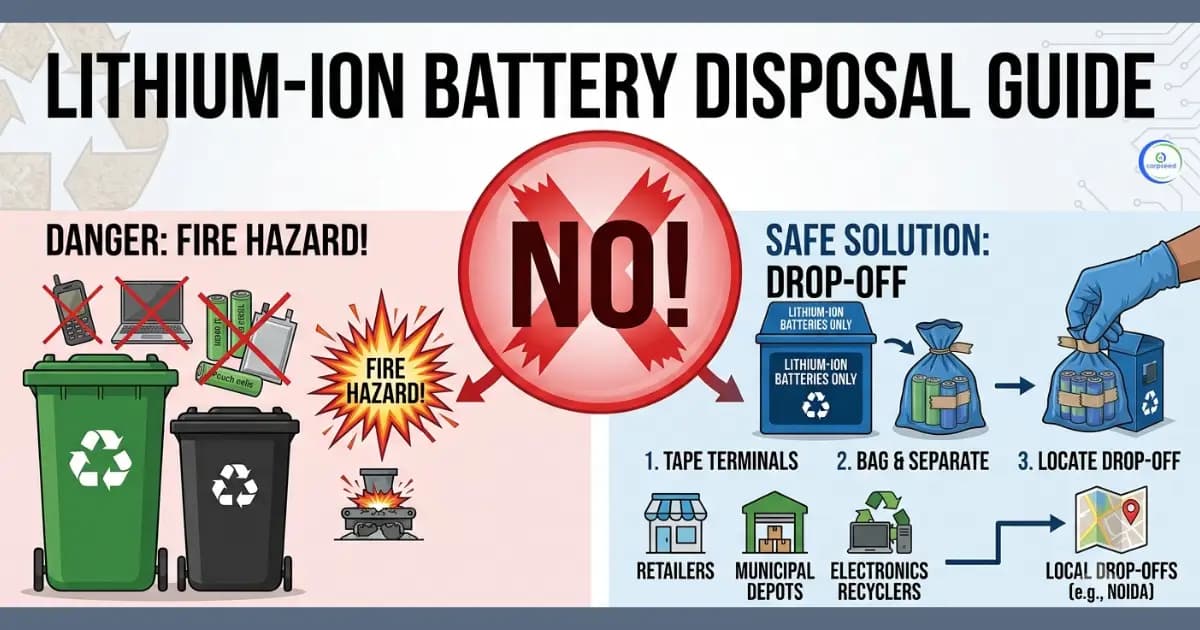
Can Lithium-Ion Batteries Go in the Recycling Bin?
2026-08-27
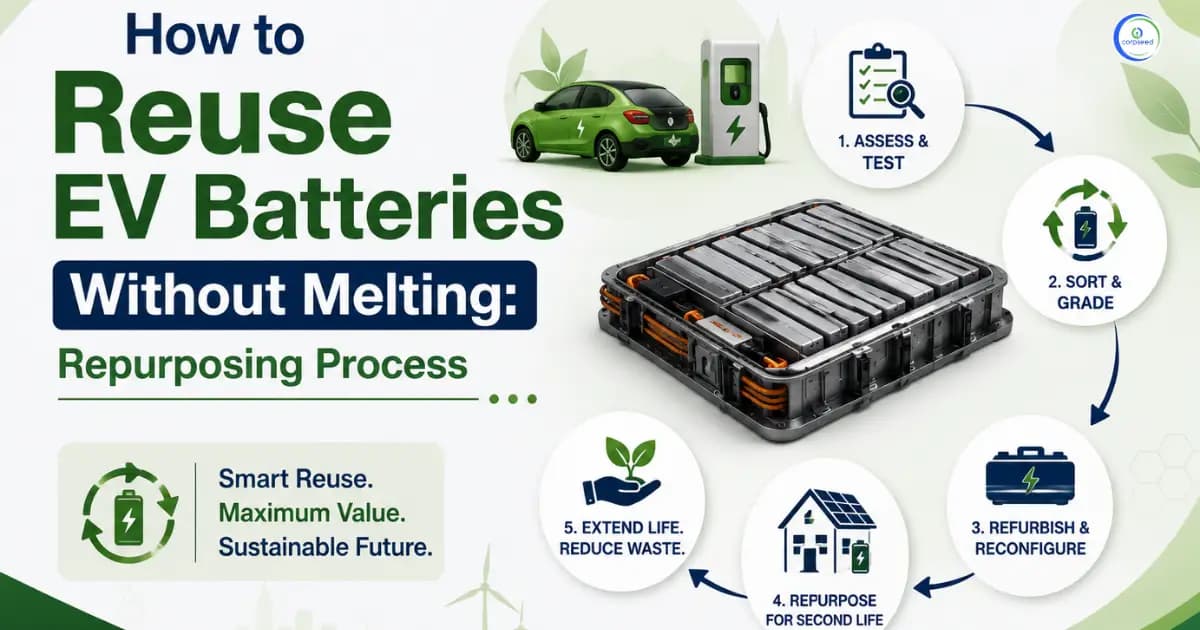
Can a Dead Electric Vehicle Battery Ever Be Used Again Without Melting It?
2026-08-18
India’s Tyre Recycling Opportunity: What HSN, GST and EPR Changes Could Mean
2026-08-13
CPCB Guidelines for Recycling of Waste Batteries (Lead Acid & Lithium-ion): Complete Compliance Guide 2026
2026-07-24