
Can Lithium-Ion Batteries Go in the Recycling Bin?
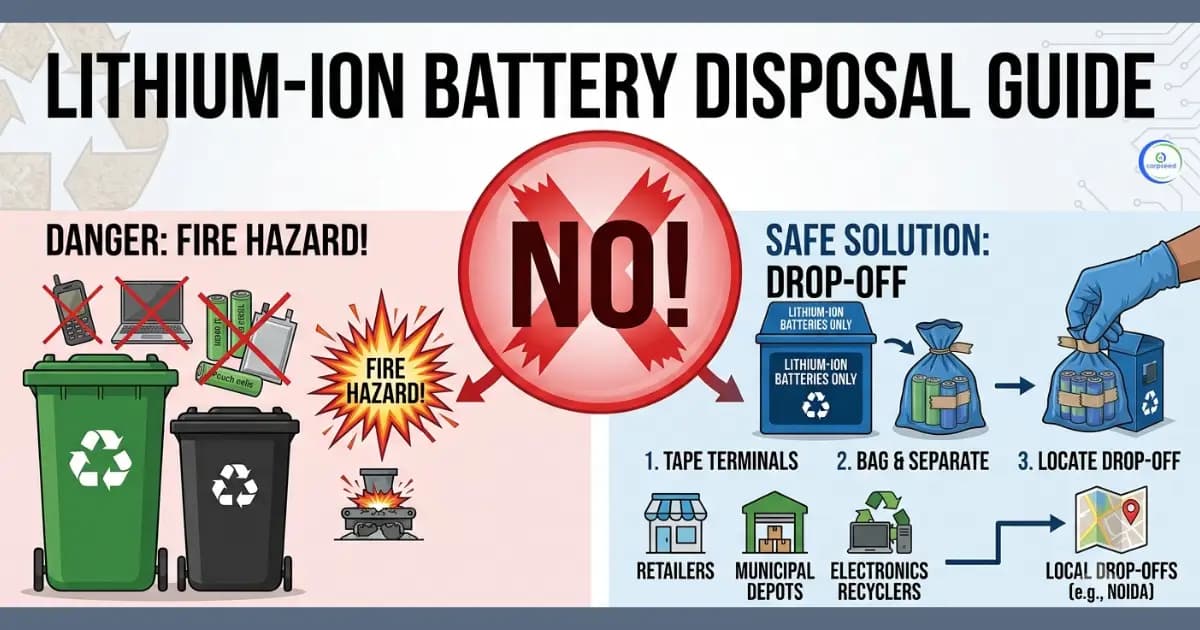
Lithium-ion batteries should not be placed in regular household recycling bins or mixed with general waste. They can cause fires if damaged, crushed or short-circuited during waste collection and recycling. Instead, used Li-ion batteries should be stored safely and handed over to an appropriate collection point, producer, authorised recycler or other permitted waste-management channel.
Schedule a Call Back
Introduction
No. Lithium-ion batteries should not be placed in a household recycling bin, mixed recycling, or general waste. In India, used lithium-ion batteries should be kept separate and handed over through an appropriate battery or e-waste collection channel.
The reason is both practical and regulatory. Damaged lithium-ion cells can catch fire when crushed, punctured, or overheated. India's Battery Waste Management Rules, 2022, as amended, also establish responsibilities across producers, recyclers, refurbishers and other stakeholders in the battery-waste management chain.
For consumers, the safest approach is simple: keep lithium-ion batteries out of household bins and use an authorised collection, take-back or recycling route.
For businesses, the question is broader. If you manufacture, import or sell batteries or products containing batteries, you may need to assess whether you fall within the Battery EPR framework and CPCB registration requirements.
Lithium-Ion Battery Disposal at a Glance
| Battery or Product | Where It Should Go |
| Phone or laptop battery | Authorised battery/e-waste collection point or manufacturer/retailer take-back programme |
| Power bank | Battery/e-waste collection point or suitable take-back programme |
| Product containing a built-in lithium-ion battery | Manufacturer, retailer or authorised collection channel |
| EV or large-format battery | Vehicle manufacturer, dealer or authorised battery recycler |
| Swollen, leaking or damaged battery | Isolate safely and contact an appropriate authorised collection facility or recycler for handling instructions |
A battery that no longer powers a device may still retain enough charge to create a fire risk if it is crushed or punctured.
Why Lithium-Ion Batteries Shouldn't Go in Household Recycling Bins?
Lithium-ion batteries can undergo thermal runaway, a rapid and self-sustaining heating reaction that can result in fire.
The risk becomes particularly serious when batteries enter waste-processing equipment. A typical sequence can look like this:
- Crushing: Compaction or mechanical pressure damages the battery casing.
- Puncture: Sorting equipment or other materials can pierce the cell.
- Short circuit: Damage can cause electrical contacts to connect improperly.
- Thermal runaway: Rapid internal heating can ignite the battery and nearby combustible materials.
These processes are normal parts of waste collection and processing. That is why the safer solution is not to depend on a recycling facility to identify a battery before it is damaged. Lithium-ion batteries should be kept out of mixed household waste and recycling from the beginning.
Schedule a Call Back
Where Can You Dispose of Lithium-Ion Batteries in India?
If you have an old lithium-ion battery, the correct disposal route depends on the device and the collection options available in your area.
Common routes include:
- Manufacturer take-back programmes
- Retailer or authorised service-centre collection programmes
- Authorised battery collection points
- Authorised battery or e-waste recyclers
- Applicable resources or collection mechanisms identified through CPCB/SPCB channels
Before handing over a battery, follow any instructions provided by the manufacturer or collection facility.
For a removable battery that is safe to handle, protecting the terminals can help reduce the possibility of accidental short-circuiting during transport. Do not attempt to open, dismantle or repair a lithium-ion battery yourself.
How to Dispose of Phones, Laptops, Power Banks and EV Batteries
1. Phones and Laptops
Old phones, laptops and their batteries should be taken through an appropriate manufacturer, retailer, service-centre or authorised e-waste/battery collection channel.
If the battery is built into the device, do not attempt to remove it unless the manufacturer specifically designed it for safe user removal.
2. Power Banks
Power banks contain lithium-ion cells and should not be placed in household recycling or general waste.
Use an appropriate e-waste or battery collection point or a manufacturer/retailer take-back programme.
3. EV and Large-Format Batteries
EV batteries contain substantially more stored energy than typical consumer electronics batteries. They require specialised handling.
Return them through the vehicle manufacturer, dealer or an authorised recycler capable of handling end-of-life EV batteries.
What to Do with a Swollen or Damaged Lithium-Ion Battery?
A battery that is swollen, leaking, cracked, damaged or unusually hot should be treated differently from an ordinary end-of-life battery.
Do not:
- Compress or puncture it.
- Put it in a bag with other waste.
- Place it near paper, cardboard or other combustible materials.
- Leave it near direct sunlight or a heat source.
- Open, disassemble or attempt to repair it.
If it can be done safely, keep the damaged battery isolated from combustible materials and contact an appropriate authorised collection facility or recycler for handling instructions.
Tell the collection facility that the battery is damaged so it can be handled appropriately.
If a battery is smoking, rapidly swelling or generating significant heat, do not continue handling it. Treat it as an active safety hazard and contact the appropriate local emergency or fire-safety service.
Lithium-Ion Battery Disposal Rules in India
India's battery-waste framework is governed by the Battery Waste Management Rules, 2022, as amended from time to time.
The framework introduced an Extended Producer Responsibility (EPR) system for battery waste and established responsibilities for relevant producers, recyclers and refurbishers.
Businesses should not rely only on the original 2022 notification when assessing current compliance. The CPCB Battery EPR framework lists subsequent amendments and updates, including changes issued after the original rules.
For businesses, the practical takeaway is important: check the latest CPCB requirements and amended rules before registering, reporting or changing an existing compliance process.
Battery EPR Regulatory Update for 2026
India's Battery EPR framework has changed since the Battery Waste Management Rules were originally notified in 2022.
CPCB currently lists subsequent amendments and updates, including amendments issued through February 24, 2025. Businesses should therefore verify the latest applicable requirements before filing EPR information or changing their compliance system.
This is particularly important for businesses that manufacture, import or sell batteries or products containing batteries.
Who Is Considered a Battery Producer Under EPR Rules?
Battery EPR applicability depends on the business model, not simply on whether a company calls itself a “battery manufacturer.”
Under the CPCB framework, the definition of Producer generally covers an entity that:
- manufactures and sells batteries, including batteries contained in equipment, under its own brand;
- sells batteries or battery-containing equipment under its own brand even when another manufacturer produces them; or
- imports batteries or equipment containing batteries into India.
This means an importer of a battery-containing product may have EPR responsibilities even if the importer never manufactures the battery itself.
Business Activity and Battery EPR Applicability
| Business Activity | Likely Position |
| Manufacture batteries under your own brand | Producer |
| Import batteries into India | Producer |
| Import laptops or other equipment containing batteries | May fall within Producer definition |
| Sell another manufacturer's battery unchanged | Usually not a Producer merely because of dealer status |
| Sell another manufacturer's battery unchanged | Producer |
| Recycle waste batteries | Recycler obligations apply separately |
| Refurbish waste batteries | Refurbishers obligations apply separately |
Important: Final applicability depends on the actual business model, product structure, branding, import activity and current CPCB requirements.
Producer vs Recycler vs Refurbishers: Why the Difference Matters
Battery EPR compliance is not one single obligation for every business involved in batteries.
- A Producer has responsibilities connected with batteries placed on the market and applicable EPR requirements.
- A Recycler handles waste batteries and must comply with the requirements applicable to battery recycling, including applicable registration and material-recovery obligations.
- A Refurbishers has separate obligations where waste batteries are handled for refurbishment.
Therefore, businesses should first identify which role they perform in the battery-waste chain rather than assuming that every battery-related company has the same compliance obligations.
Battery Material Recovery Requirements
Material-recovery requirements vary according to the battery category.
Under the applicable framework, minimum recovery requirements for recyclers differ by battery type.
| Battery Category | 2024–25 | 2025–26 | 2026–27 onward |
| Portable | 70% | 80% | 90% |
| EV | 70% | 80% | 90% |
| Automotive | 55% | 60% | 60% |
| Industrial | 55% | 60% | 60% |
These figures should not be presented as one universal “battery recovery target.” The applicable requirement depends on the battery category and the role of the entity under the rules.
Common Battery EPR Compliance Mistakes Businesses Make
Businesses dealing with batteries can face compliance issues when they misunderstand their role or apply the wrong requirements.
Common areas that should be checked include:
- Assuming that only the battery manufacturer has EPR responsibility.
- Overlooking the fact that imported equipment can contain batteries covered by the Producer framework.
- Treating every dealer as a Producer without checking branding and import arrangements.
- Selecting the wrong battery category for compliance purposes.
- Maintaining inconsistent sales or battery data.
- Confusing Producer obligations with recycler or refurbisher obligations.
- Waiting until a reporting deadline to organise supporting compliance records.
Businesses should verify these points against their actual operations and the latest CPCB requirements rather than relying on a generic checklist.
What Happens If a Business Fails to Meet Battery EPR Obligations?
Battery-waste non-compliance can result in regulatory and financial consequences.
Potential compliance issues may include:
- failure to meet applicable EPR obligations;
- registration-related non-compliance;
- reporting failures;
- deficiencies in applicable collection or recycling arrangements; and
- shortfalls against applicable requirements.
Environmental compensation may also apply in cases of non-compliance, subject to the applicable framework and assessment.
For this reason, businesses should treat Battery EPR as an ongoing compliance process rather than a one-time registration exercise.
Why Proper Lithium-Ion Battery Recycling Matters
Safe disposal is not only about preventing fires.
Lithium-ion batteries contain valuable materials that can potentially be recovered through appropriate recycling processes. Keeping batteries within the formal collection and recycling chain can help reduce the amount of battery waste entering mixed waste streams while supporting the recovery and reuse of valuable resources.
For businesses, proper battery-waste management also supports compliance with India's EPR framework and helps create a documented
Conclusion
Lithium-ion batteries should never be placed in household recycling bins or mixed general waste. Even a battery that appears completely dead can become a fire hazard when crushed, punctured or damaged during waste collection and processing.
In India, proper battery disposal is also connected to the Battery Waste Management Rules, 2022, as amended, which establish an EPR-based framework for managing battery waste. Consumers should use appropriate collection and take-back channels. At the same time, businesses that manufacture, import or sell batteries or battery-containing products should assess whether they fall within the applicable Producer and Battery EPR requirements.
For businesses, compliance should not stop at CPCB registration. Understanding the correct business classification, maintaining appropriate records, meeting applicable EPR obligations and ensuring proper recycling or refurbishment arrangements are all important parts of battery-waste compliance.
If you are unsure whether your business needs Battery EPR registration or how the rules apply to your products, Corpseed can help assess your applicability and guide you through the CPCB compliance process.
Frequently Asked Questions
Quick answers to common questions on this topic.
Can I put a dead lithium-ion battery in my recycling bin?
No. A battery that no longer powers a device can still retain charge and may become dangerous if crushed, punctured or damaged during collection or processing.
Why are lithium-ion batteries dangerous in waste bins?
Compaction, crushing, puncturing or heat can damage a lithium-ion cell and trigger thermal runaway, potentially resulting in fire.
Where should I take an old phone or laptop battery?
Use an appropriate manufacturer or retailer take-back programme, authorised e-waste/battery collection point or authorised recycler.
What should I do with a swollen or leaking battery?
Do not compress, puncture, open or repair it. Keep it isolated from combustible materials and contact an appropriate authorised collection facility or recycler for handling instructions.
Is battery disposal regulated in India?
Yes. Battery waste is governed by the Battery Waste Management Rules, 2022, as amended, which establish an EPR-based framework and responsibilities for relevant stakeholders.
About the Author

Anshika Jindal
Content WriterAnshika Jindal, a Legal Content Writer with strong expertise in legal research and a solid academic background in BA LLB and LLM (Criminal Law). I specialize in researching statutes, case laws, and legal developments and presenting them in clear, accurate, and engaging written content. With strong analytical skills and attention to detail, I create reliable, well-structured legal content while maintaining professional and ethical standards.
I specialize in conducting in-depth legal research using credible sources and presenting legal information in a structured, reader-friendly manner while maintaining precision and authenticity. My work focuses on simplifying legal language without compromising its meaning, making legal content accessible to a wider audience.
Related articles
India Bans Lithium-Ion Battery Black Mass Exports in 2026: What It Means for Businesses
2026-11-12

Fertilizer Testing in India: FCO 1985 Mandatory Quality Compliance Guide 2026
2026-09-02
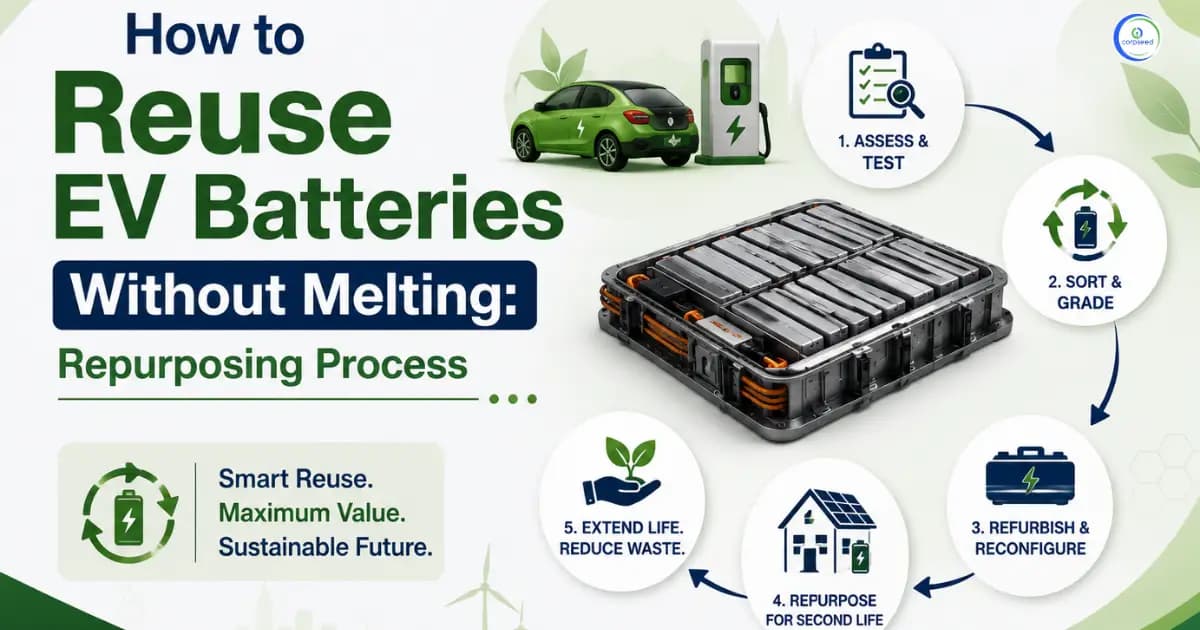
Can a Dead Electric Vehicle Battery Ever Be Used Again Without Melting It?
2026-08-18
India’s Tyre Recycling Opportunity: What HSN, GST and EPR Changes Could Mean
2026-08-13
CPCB Guidelines for Recycling of Waste Batteries (Lead Acid & Lithium-ion): Complete Compliance Guide 2026
2026-07-24
How to Start a Lithium-Ion Battery Recycling Plant in India (2026): Complete Business & Compliance Guide
2026-07-16