
Why is Battery Recycling Called Urban Mining and How Does it Work? (2026 Guide)
India's electric vehicle market is growing very fast. This growth is also increasing battery waste nationwide. Old lithium-ion batteries contain valuable metals like lithium, cobalt, nickel, copper, and manganese. Instead of throwing these batteries away, industries now recover these metals and reuse them. This process is called Urban Mining.
Schedule a Call Back
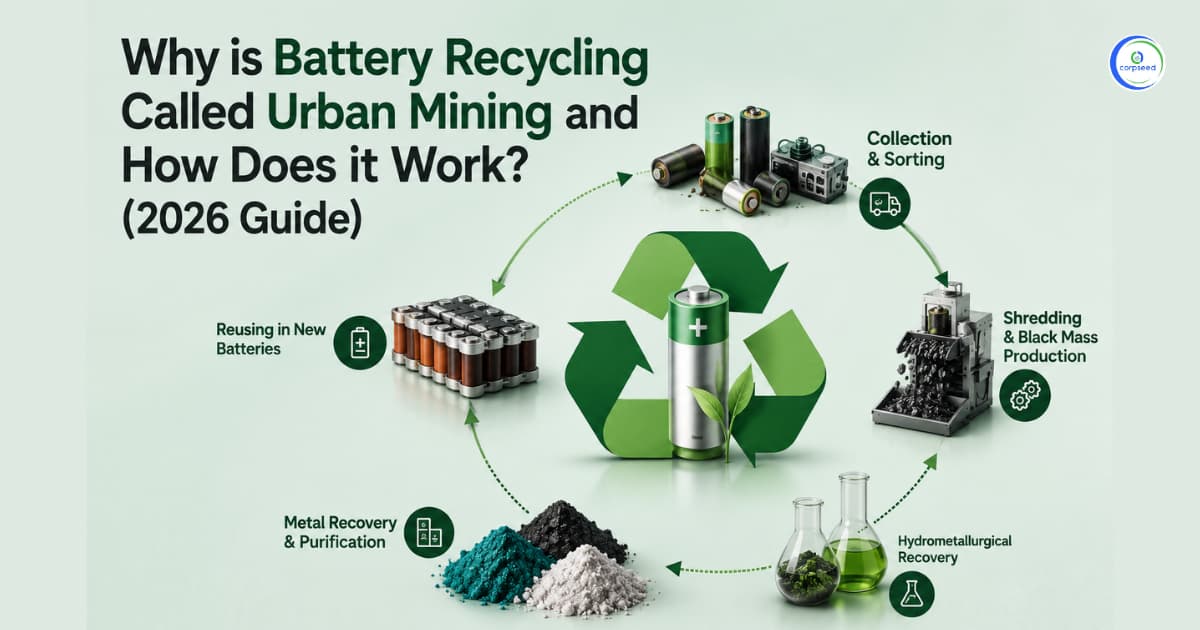
India's electric vehicle market is growing very fast. This growth is also increasing battery waste nationwide. Old lithium-ion batteries contain valuable metals like lithium, cobalt, nickel, copper, and manganese. Instead of throwing these batteries away, industries now recover these metals and reuse them. This process is called Urban Mining.
Battery recycling is no longer just an environmental activity. It has become an economic opportunity and a strategic industry for India. Companies that invest early in battery recycling and compliance systems gain strong long-term advantages.
Urban Mining is a technique that involves extracting valuable metals such as Lithium, Cobalt, and Nickel from recycled batteries without mining them from the ground. This process not only reduces pollution but also reduces dependence on imports. In addition, Urban Mining will be the major solution to fulfill the requirement for the growing Indian EV market by 2026.
Schedule a Call Back
The Rise of Urban Mining: Turning Battery Waste into Wealth
Every year, India produces thousands of tons of waste batteries. Examples of products that cause battery waste include electric vehicles, mobile phones, laptops, energy storage devices, and industrial machinery.
Earlier, battery waste was seen as scrap. Today, it is viewed as a metal resource. This shift gave rise to the concept of Urban Mining.
Defining Urban Mining in the Circular Economy
Urban Mining is the recovery of valuable materials from products already used by society. Instead of mining deep underground, recyclers collect waste batteries from cities, factories, warehouses, and EV service centers.
This supports the circular economy. Metals recovered from old batteries are recycled to make new batteries.
We have observed that many battery manufacturers now prefer recycled metals because they reduce raw material costs and improve supply chain stability.
Why 2026 is the Turning Point for Battery Recovery in India?
2026 is becoming a major year for battery recycling because:
- EV sales are rising rapidly
- Battery imports are becoming expensive
- Lithium and cobalt supply risks are increasing globally
- CPCB compliance rules are becoming stricter
- Producers must fulfill EPR recycling targets
India wants to reduce dependence on imported minerals. Because of this, Urban Mining is now linked with national resource security.
Why is it Called "Urban Mining"?
Traditional mining removes metals from mountains and underground deposits. Urban Mining extracts the same metals from battery waste already present in cities.
Traditional Mining vs. Urban Mining: A Cost-Benefit Analysis
| Factors | Traditional Mining | Urban Mining |
| Environmental Impact | High pollution and land damage | Lower pollution |
| Water Usage | Very high | Much lower |
| Metal Purity | Requires long refining | High recovery purity possible |
| Supply Chain Security | Depends on imports | Domestic metal recovery |
| Carbon Emissions | Very high | Lower emissions |
| Waste Generation | Large mining waste | Controlled recycling waste |
How Does the Battery Urban Mining Process Work? (Step-by-Step)
Battery recycling involves multiple stages. The process must follow safety and environmental standards.
Phase 1: Collection and B2B Logistics
The first stage is collecting used batteries from:
- EV companies
- Manufacturers
- Dealers
- Scrap aggregators
- Service centers
After collection, batteries are sorted based on chemistry.
For example:
- NMC batteries contain Nickel, Manganese, and Cobalt
- LFP batteries contain Lithium Iron Phosphate
This sorting is important because every battery type requires different recovery methods.
In our experience, many recycling businesses fail because they cannot build a strong B2B scrap collection network. This problem is known as the "Collection Gap" in India.
Phase 2: Mechanical Pre-treatment (The Black Mass Stage)
Used batteries are first discharged and deactivated to reduce the risk of fire or explosion. Then the batteries are dismantled and shredded mechanically. This process creates a powder-like material called "Black Mass."
Black Mass is the most valuable intermediate product in battery recycling because it contains concentrated lithium, cobalt, nickel, and graphite. Today, many recycling businesses mainly focus on black mass recovery because it has high commercial value.
Phase 3: Chemical Recovery
The black mass goes through chemical treatment. Hydrometallurgy is now considered the preferred recovery method. This method uses acid-leaching technology to separate valuable metals from black mass. Compared to old pyrometallurgical systems, hydrometallurgy offers:
- Higher metal recovery rates
- Lower emissions
- Better metal purity
- Lower energy use
Recovered metals are then purified into battery-grade materials for reuse in manufacturing.
EPR Compliance for Battery Urban Mining
Under the Battery Waste Management Rules, 2022, producers, importers, and battery manufacturers must fulfill recycling obligations. Recyclers also require:
- CPCB registration
- SPCB authorization
- Hazardous waste approvals
- Environmental compliance systems
Failure to follow the rules may entail penalties and restrictions on operations.
The Cost of Ignoring Battery Waste Rules
Non-compliance under the Battery Waste Management Rules (BWMR) 2022 can result in Environmental Compensation charges imposed by pollution authorities.
These penalties can become extremely high for small and medium units. In severe cases, authorities may suspend operations, cancel registrations, or block EPR transactions.
We have observed that many units underestimate compliance costs during setup and later struggle with regulatory action.
Conclusion
Urban Mining is becoming one of India's most important green industries. Battery waste is no longer just waste. It is a valuable source of lithium, cobalt, nickel, and other critical materials. As EV adoption increases, battery recycling will become essential for India's economy, environmental goals, and supply chain security.
Companies that build strong collection systems, compliance frameworks, and recovery technology today will lead the future battery recycling market in India.
About the Author

Mahek Sancheti
Content WriterMahek Sancheti, BAJMC graduate with a deep passion for writing. As a content writer, video content creator, creative content creator, and scriptwriter, I bring stories to life through words and visuals. I honed my skills by working with a prominent news agency, where I excelled in crafting compelling narratives and engaging content. Coming from a journalism and mass communication background I have skills to craft engaging narratives that captivate audiences. With a keen interest in writing and creativity, I aim to deliver impactful and meaningful content that resonates with diverse audiences.
https://www.linkedin.com/in/mahek-sancheti-837196212
Related articles

Fertilizer Testing in India: FCO 1985 Mandatory Quality Compliance Guide 2026
2026-09-02
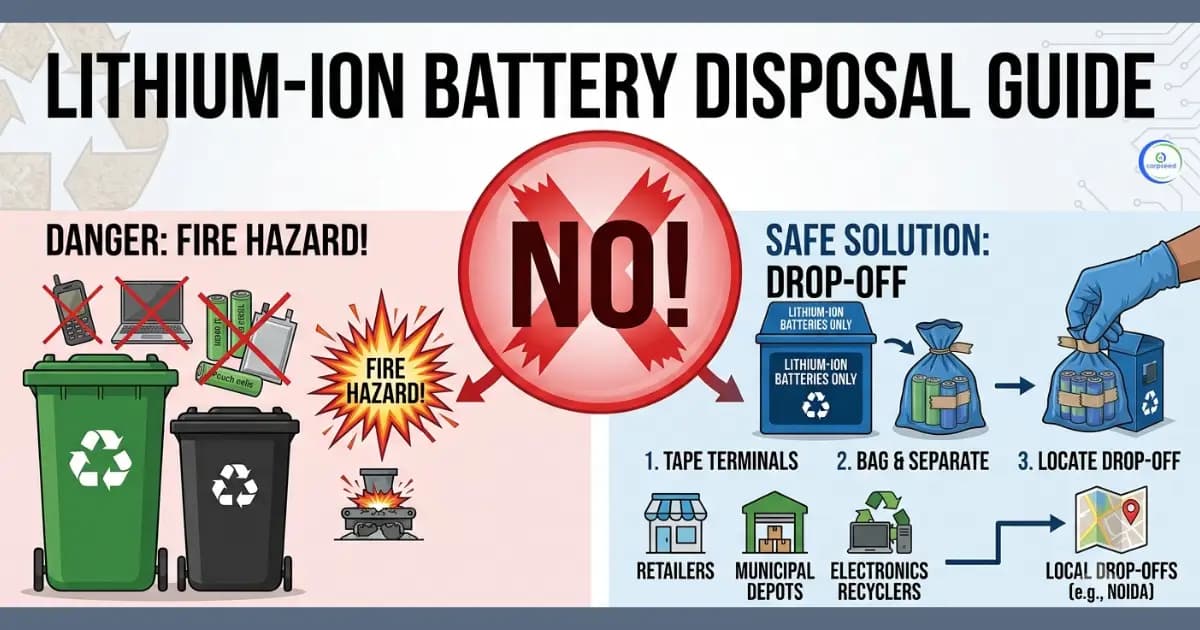
Can Lithium-Ion Batteries Go in the Recycling Bin?
2026-08-27
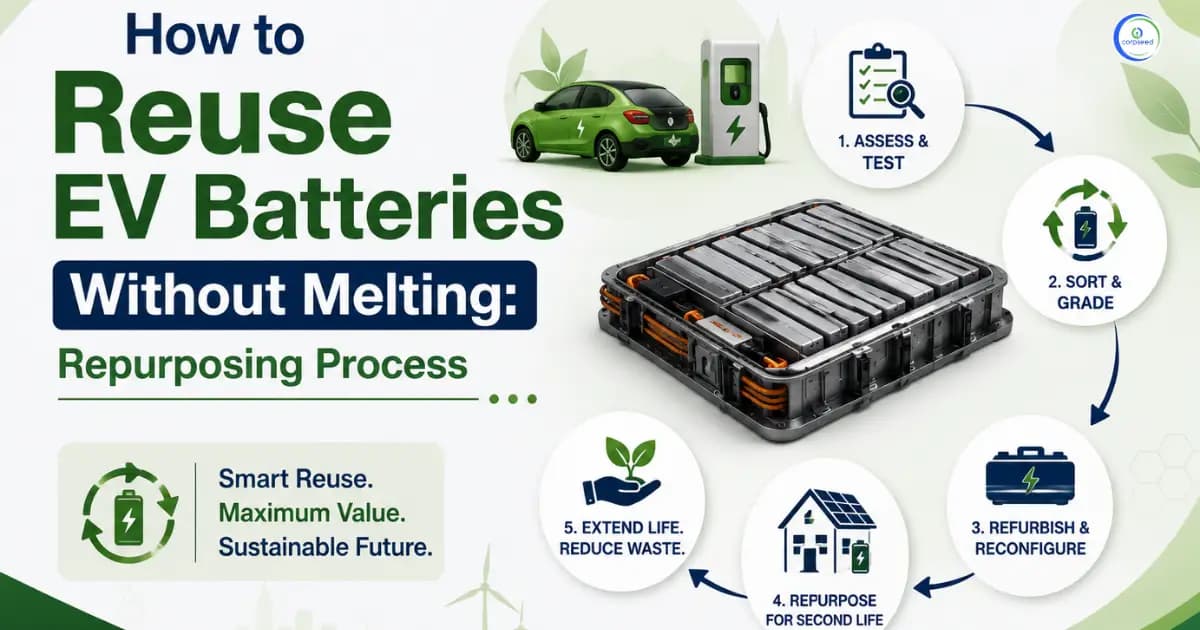
Can a Dead Electric Vehicle Battery Ever Be Used Again Without Melting It?
2026-08-18
India’s Tyre Recycling Opportunity: What HSN, GST and EPR Changes Could Mean
2026-08-13
CPCB Guidelines for Recycling of Waste Batteries (Lead Acid & Lithium-ion): Complete Compliance Guide 2026
2026-07-24
How to Start a Lithium-Ion Battery Recycling Plant in India (2026): Complete Business & Compliance Guide
2026-07-16