
What is the Cost of Setting up a Small-Scale Lithium Battery Recycling Unit?
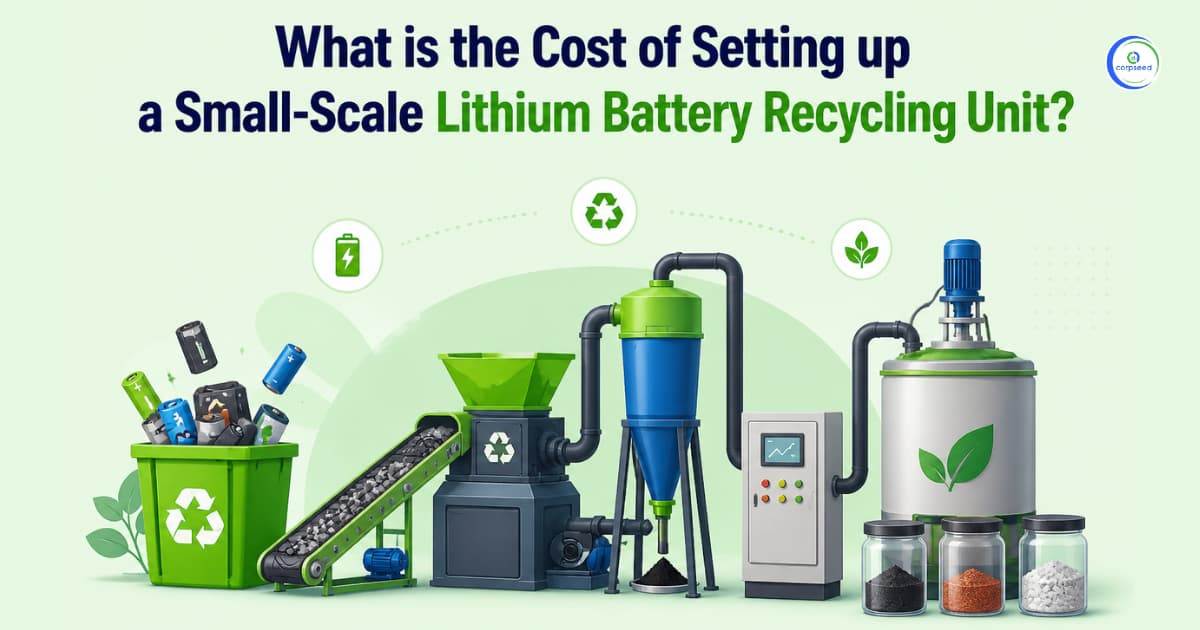
The lithium battery recycling plant is a facility that processes used or defective lithium batteries. This recycling process helps to recover the precious elements such as lithium, cobalt, nickel, and manganese. These recovered products will be used to manufacture new batteries.
Schedule a Call Back
1,800+ plant setup, DPR and CTE/CTO assignments since 2018
Clients include Quantara Battery Recycling, Servotech Renewable Power System, Intangles Lab, Alten India, Saurya Urja Company of Rajasthan, 20Cube Logistics Solutions, Adit Buildwell, Bake Wish, Ecowise Trading, Magnum Aluminium, PMS Waste Management, GS E-Commerce.
A few more clients we've served in this industryHide the list
- Battery recyclers
- Quantara Battery Recycling
- Plant setup clients (DPR, CTE, CTO)
- Servotech Renewable Power System · Intangles Lab · Alten India · Saurya Urja Company of Rajasthan · 20Cube Logistics Solutions · Adit Buildwell · Bake Wish · Ecowise Trading · Magnum Aluminium · PMS Waste Management · GS E-Commerce · Beaucience India · Jiva Ayurveda Pharmacy · Radical Aftermarket Services · SNS Metpro Industries · Enershell Alloys and Steel · Gorevive · Innovation Elephants · P P Bafna Ventures · Sun Mobility · Daebak India Recycler · Ganesh Foundry & Cast · Ganix Rubber Recycling · Pashidaa E Waste Copper Battery Recycling PLT Company · RSV Seeds & Agro Chemicals Products · Boulevard Hotel and Resorts · Dev Plast Privat E · Flexfit Activewear · Resurge Green Tech · SAM Constructions · Abhinandan Jan Kalyan Society · GCM Carbon · Infrathon Projects · Inland Speciality Metals · Moore Pipe India · R K Laxmi General Sales · S G Overseas · Shreeji Anand Resort · SR Polygrain · Switch 2 Nature · Blubble · M-Swasth Solutions · Krisba Healthcare · Meritech India · Proximise · Enzolt Energy · Rays Global Energypower
EVs, mobile phones, and energy storage systems rely on lithium batteries for their functioning. As demand grows, the amount of discarded batteries increases. India will produce several thousand tons of lithium-ion battery waste in the coming years.
Improper disposal causes serious environmental and health hazards. This makes lithium battery recycling a critical industry. It also creates a growing business opportunity.
Understanding the cost of a lithium battery recycling unit is the first step for anyone planning to enter this sector. Several factors decide the final investment. These include location, scale, machinery, and compliance requirements.
This blog breaks down each major cost component clearly. It helps entrepreneurs, investors, and startups plan a realistic budget for a small-scale lithium battery recycling unit.
Schedule a Call Back
What is a Lithium Battery Recycling Unit?
The lithium battery recycling plant is a facility that processes used or defective lithium batteries. This recycling process helps to recover the precious elements such as lithium, cobalt, nickel, and manganese. These recovered products will be used to manufacture new batteries. Here is how a basic recycling unit works:
- Collection and sorting: Old batteries are collected, classified, and discharged.
- Shredding and dismantling: This process involves mechanical shredding and disassembly of batteries.
- Separation: This involves physical and chemical processes that separate the black mass from the other waste materials.
- Recovery: The hydrometallurgical method extracts pure metals from the black mass.
Typically, recycled batteries include lithium-ion (Li-ion), lithium iron phosphate (LFP), lithium polymer (LiPo), and EV battery packs. The cost of recycling batteries depends on the type of batteries and the method used.
Cost of Setting Up a Small-Scale Lithium Battery Recycling Unit
The cost of the lithium battery recycling unit depends on multiple factors. These include plant location, machinery quality, capacity, and regulatory requirements. Below is a breakdown of each major cost component.
1. Land and Infrastructure Cost
A small-scale lithium battery recycling plant for processing lithium batteries typically occupies 2,000 to 5,000 square feet.
2. Machinery and Equipment Cost
Machinery is the largest component of the lithium battery recycling unit cost. Equipment quality, capacity, and supplier origin (domestic vs. imported) directly impact the price. Domestic machinery tends to be more affordable. Imported European or Chinese equipment offers higher precision but at a higher cost of lithium battery recycling machinery.
3. Labour and Operational Cost
Both skilled and unskilled labour are required for a small-scale production unit. Labour costs per month will vary depending on location, plant capacity, and automation level. More automation means less reliance on labour, although greater investment in machines is needed.
4. Raw Material and Collection Cost
Battery sourcing is a major operational cost for any battery recycling business investment. The cost depends on how and where batteries are collected.
5. Licensing and Compliance Cost
Operating a lithium battery recycling plant in India requires multiple approvals & licenses. Non-compliance can result in heavy penalties or plant closure. Licensing costs depend on the state, plant capacity, and the category of waste handled.
There is no single, fixed figure for the total cost of a lithium battery recycling unit. It depends on a combination of the factors discussed above.
A manually operated small unit with basic recovery processes will require a much lower investment than a semi-automated or fully automated plant. As capacity increases or more advanced recovery methods are added, the cost of the lithium-ion battery recycling setup increases proportionally.
An entrepreneur is advised to prepare a detailed project report (DPR) before determining the total investment. The DPR considers all local factors and provides a practical cost estimate for that location and business model.
Conclusion
The cost of the lithium battery recycling unit is not fixed. Several factors determine the cost, including location, size, machines, degree of automation, and battery types, among others.
A small-scale unit with basic infrastructure and manual processes will have a lower starting investment. As capacity and recovery capabilities grow, investment in the battery recycling business increases accordingly.
The future outlook for this industry is very strong. Rising EV adoption, stricter e-waste regulations, and demand for locally recovered battery metals are driving rapid growth. The EV battery recycling business in India is set to become one of the most important sectors in the clean energy ecosystem.
If anyone wants to invest, entering at an early stage with due diligence may yield a successful business venture. The appropriate first step would be to consult industry experts and compile a comprehensive project report.
About the Author

Mahek Sancheti
Content WriterMahek Sancheti, BAJMC graduate with a deep passion for writing. As a content writer, video content creator, creative content creator, and scriptwriter, I bring stories to life through words and visuals. I honed my skills by working with a prominent news agency, where I excelled in crafting compelling narratives and engaging content. Coming from a journalism and mass communication background I have skills to craft engaging narratives that captivate audiences. With a keen interest in writing and creativity, I aim to deliver impactful and meaningful content that resonates with diverse audiences.
https://www.linkedin.com/in/mahek-sancheti-837196212
Related articles
India Bans Lithium-Ion Battery Black Mass Exports in 2026: What It Means for Businesses
2026-11-12

Fertilizer Testing in India: FCO 1985 Mandatory Quality Compliance Guide 2026
2026-09-02
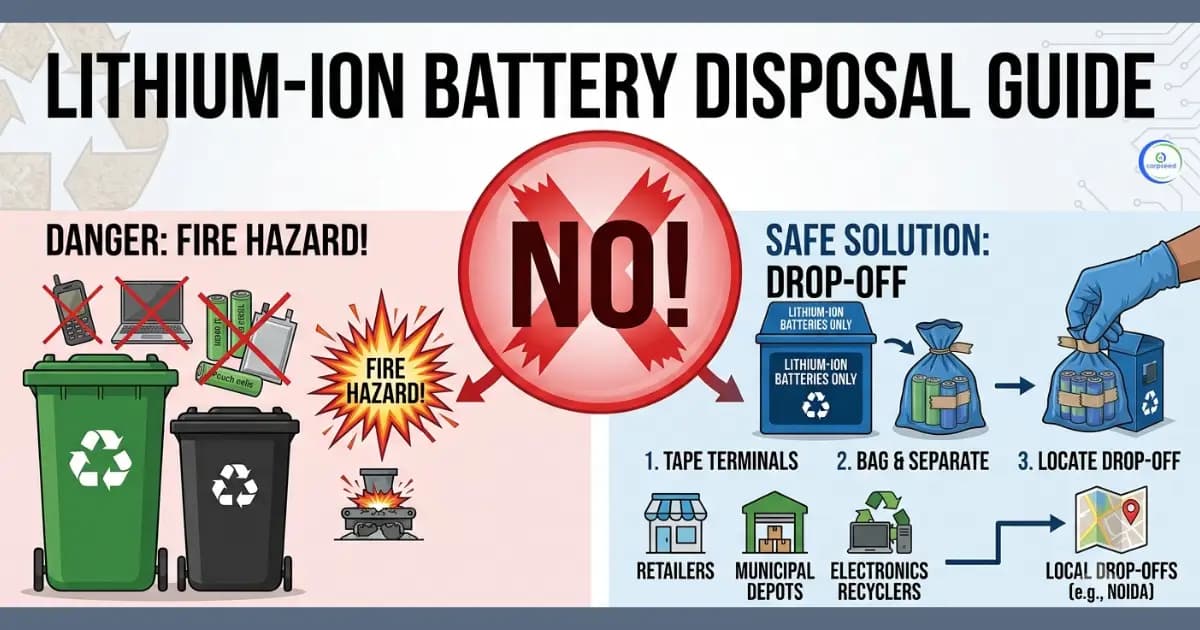
Can Lithium-Ion Batteries Go in the Recycling Bin?
2026-08-27
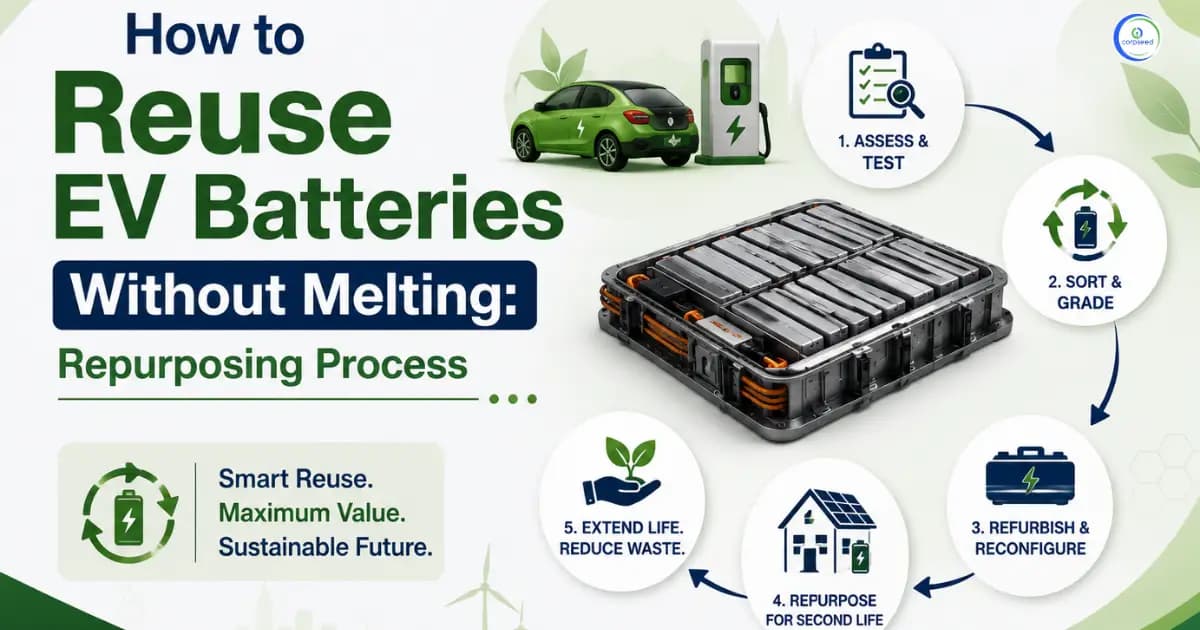
Can a Dead Electric Vehicle Battery Ever Be Used Again Without Melting It?
2026-08-18
India’s Tyre Recycling Opportunity: What HSN, GST and EPR Changes Could Mean
2026-08-13
CPCB Guidelines for Recycling of Waste Batteries (Lead Acid & Lithium-ion): Complete Compliance Guide 2026
2026-07-24