
How to Start a Recycling Plant in India (2026 Complete Guide)
Companies and governments have widely adopted recycling plants in India. In 2026, recycling plants are expanding or growing rapidly. Several businesses are experimenting with making products out of recycled materials.
Schedule a Call Back
1,800+ plant setup, DPR and CTE/CTO assignments since 2018
Clients include Magnum Aluminium, Enershell Alloys and Steel, Ganesh Foundry & Cast, Inland Speciality Metals, JK Cement, Sskbp India Alloy, Denso India, Neometrix Defence, PMS Waste Management, Daebak India Recycler, Ganix Rubber Recycling, Pashidaa E Waste Copper Battery Recycling PLT Company (12 of 1,100+ served since 2018).
A few more clients we've served in this industryHide the list
- Engineering and manufacturing
- Magnum Aluminium · Enershell Alloys and Steel · Ganesh Foundry & Cast · Inland Speciality Metals · JK Cement · Sskbp India Alloy · Denso India · Neometrix Defence
- Recycling and waste management
- PMS Waste Management · Daebak India Recycler · Ganix Rubber Recycling · Pashidaa E Waste Copper Battery Recycling PLT Company · Upcycle Debris Management · Ficusa Ewaste Recyclers · Shuchaye Recyclers · Quantara Battery Recycling
- Logistics and trade
- 20Cube Logistics Solutions · Airsurge Logistics · Green Space Logistics · Saap Logistics
- Food and consumer goods
- Bake Wish · Kokora Spices · Babi Beverages · Indraj Beverages and Distilleries · Adheshwar Agro Dairy Products · Venco Research and Breeding Farm · Explore Food · IFF India Frozen Foods
- Energy and power
- Servotech Renewable Power System · Saurya Urja Company of Rajasthan · Sun Mobility · Sun Max Solar · Maxvolt Energy Industries · Rays Power Infra
- Chemicals and materials
- Venkateshwara Roto Pack · Lami Tube · M C Bauchemie I · Pro Flexi Packaging · Rustchem Corrosols · SVN Polymers · Kairaa Polypack · Sanctum Chemicals
- More clients
- Intangles Lab · Alten India · Adit Buildwell · Ecowise Trading · GS E-Commerce · Beaucience India
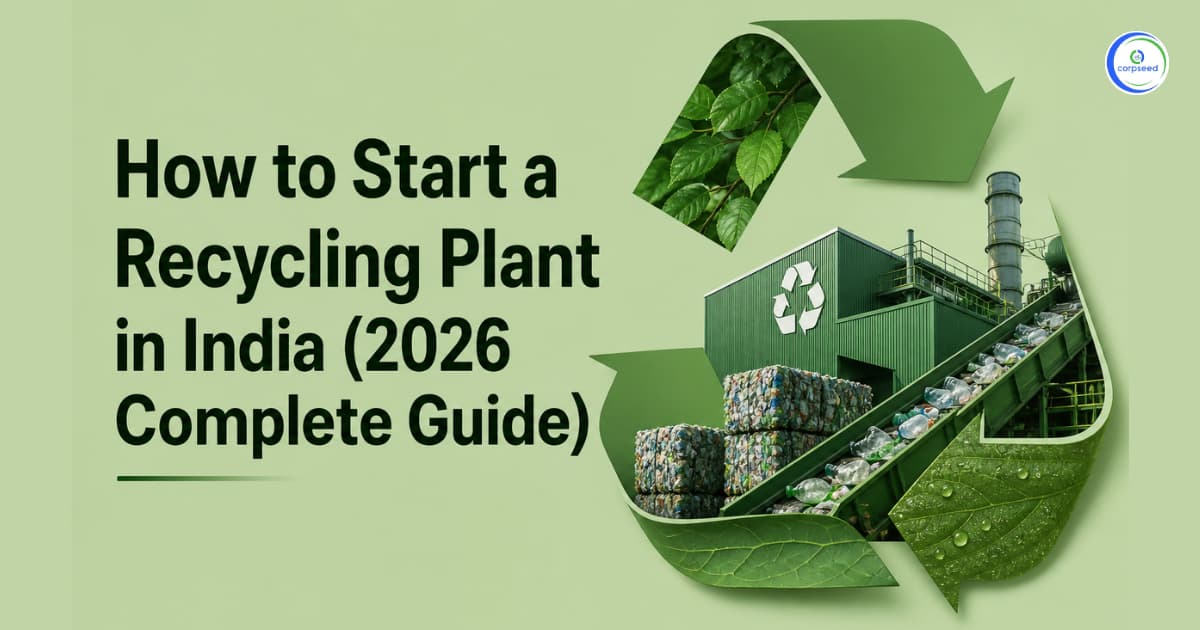
Companies and governments have widely adopted recycling plants in India. In 2026, recycling plants are expanding or growing rapidly. Several businesses are experimenting with making products out of recycled materials. Recycling helps protect the environment, lower carbon emissions, and conserve natural resources. Given the growing demand for these projects, starting a firm that sells recycled materials could be quite profitable.
In this blog, you will learn about all the essential registration requirements for a recycling plant in India, its types, the steps to start a recycling plant in India, and other related information.
Schedule a Call Back
Understanding the Recycling Plant in India
India generates millions of tons of waste annually, with a substantial portion of it recyclable materials, including plastics, paper, metals, and e-waste (electronic waste). The government’s focus on ‘Swachh Bharat Abhiyan’ and sustainable development goals (future goals) has further emphasized the importance of recycling by creating a favourable environment for new ventures in this sector.
Who is Capable of the Recycling Plant in India?
Every day, demand for products manufactured from recycled materials increases. Due to the importance and practicality of the process, the recycling sector is flourishing, as the products that meet society's basic needs are always produced through recycling.
It is fairly simple to target customers directly and make the business profitable if you have a prior understanding of the Indian recycling sector and potential customers. Recycled goods belong to the small-scale B2B (business-to-business) sector and are made from waste resources. Many different kinds of production facilities related to the realm of daily use require the product produced by the recycling process (B2C-business to customer).
Types of Recycling Plants in India
Before you start a recycling plant in India, it’s crucial to decide on the type of recycling you want to focus on. Common categories include:
- Plastic Recycling: To produce new products such as PET bottles and plastic granules, starting a plastic recycling plant in India may require collecting and processing various types of plastic waste. This is one of the most popular business concepts in India, as people are increasingly aware of the need to address environmental degradation.
- Metal Scrap Recycling: Recycling metal scrap is a well-established industrial practice in India. The metal industry employs millions of people and contributes significantly to the country's GDP. Collecting metal scrap from residences or commercial buildings and selling it to steel mills or foundries can yield a healthy profit. Copper, steel, aluminum, and iron are metals with significant market value and high recycling rates.
- E-waste Recycling: Establishing an e-waste recycling plant in India entails collecting and disassembling e-devices to recover some metals, such as copper, silver, and gold, for recycling.
- Organic Waste Recycling: Recycling organic garbage has grown in popularity as environmental conservation and organic farming have gained more attention. Gathering agricultural residue, food waste, and garden waste and converting them into organic compost is the first step in starting an organic waste recycling plant. The compost can be sold to farmers or gardeners. This plant not only reduces waste but also promotes sustainable agriculture.
Steps for Registering a Recycling Plant in India
There are general steps for starting a recycling plant in India that apply to all types of recycling plants.
- The first step is to conduct detailed research and plan the whole plant. It is important to understand the market before starting a recycling plant in India.
- After gaining an understanding of the market for the recycling plant, prepare a business plan for it. A business plan will include information on the business's objectives, goals, investments, strategies, etc.
- Just planning the plant and making the business plan is not enough. It is equally important to register the recycling plant. The recycling plant will not be considered a legal business without a company registration.
- After registration, plan the location, required raw materials, and machinery for the recycling business.
- The next step is to hire people to help you at the recycling plant in India.
- It is very important to raise awareness of the recycling plant in India. Create unique plans to attract clients and customers. Register for the trademark and patent, as well as per the requirements.
Challenges of Registering a Recycling Plant in India
When setting up a recycling plant in India, some of the main obstacles included:
- Regulatory Compliance: Stay up to date on evolving legislation and maintain stringent adherence.
- Competition: Set up your plant apart with superior service and innovation.
- Logistics Concerns: Streamline the transportation and the supply chain.
- Market Volatility: To reduce risks, diversify your product line.
Conclusion
In addition to being a profitable venture, starting a recycling plant in India is an essential step toward environmental sustainability. You can also successfully start a recycling plant in India by knowing the market, adhering to legal standards, and implementing effective operational strategies. Make a good impact on society and the environment by embracing innovation and remaining dedicated to eco-friendly methods.
About the Author

Anshika Jindal
Content WriterAnshika Jindal, a Legal Content Writer with strong expertise in legal research and a solid academic background in BA LLB and LLM (Criminal Law). I specialize in researching statutes, case laws, and legal developments and presenting them in clear, accurate, and engaging written content. With strong analytical skills and attention to detail, I create reliable, well-structured legal content while maintaining professional and ethical standards.
I specialize in conducting in-depth legal research using credible sources and presenting legal information in a structured, reader-friendly manner while maintaining precision and authenticity. My work focuses on simplifying legal language without compromising its meaning, making legal content accessible to a wider audience.
Related articles
India Bans Lithium-Ion Battery Black Mass Exports in 2026: What It Means for Businesses
2026-11-12
Fertilizer Testing in India: FCO 1985 Mandatory Quality Compliance Guide 2026
2026-09-02
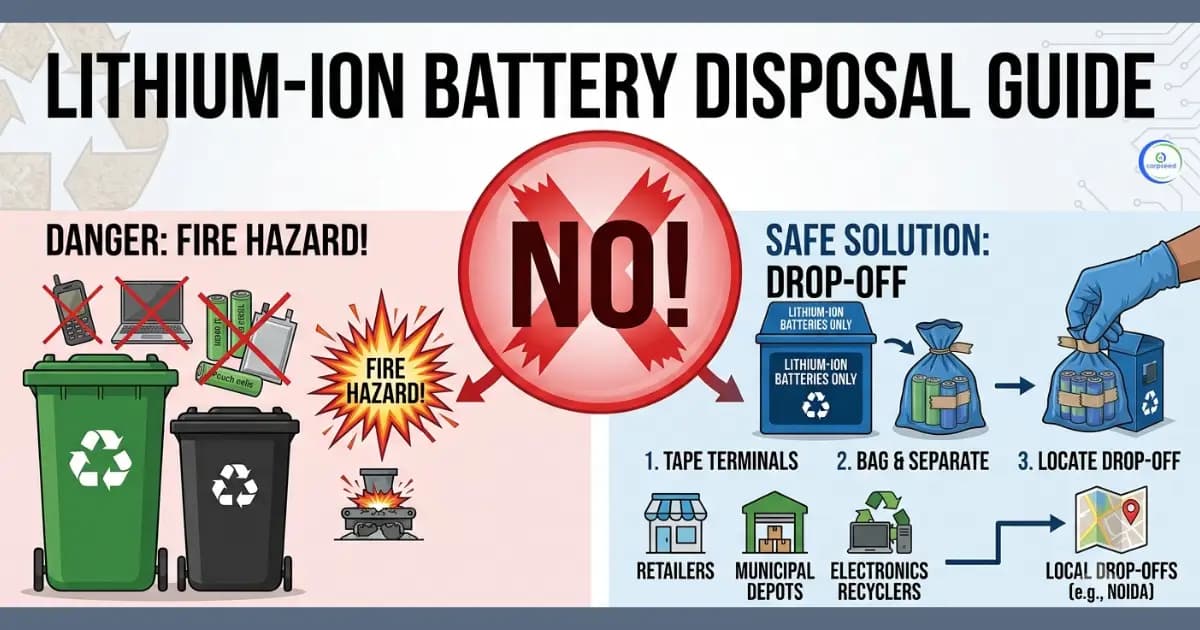
Can Lithium-Ion Batteries Go in the Recycling Bin?
2026-08-27
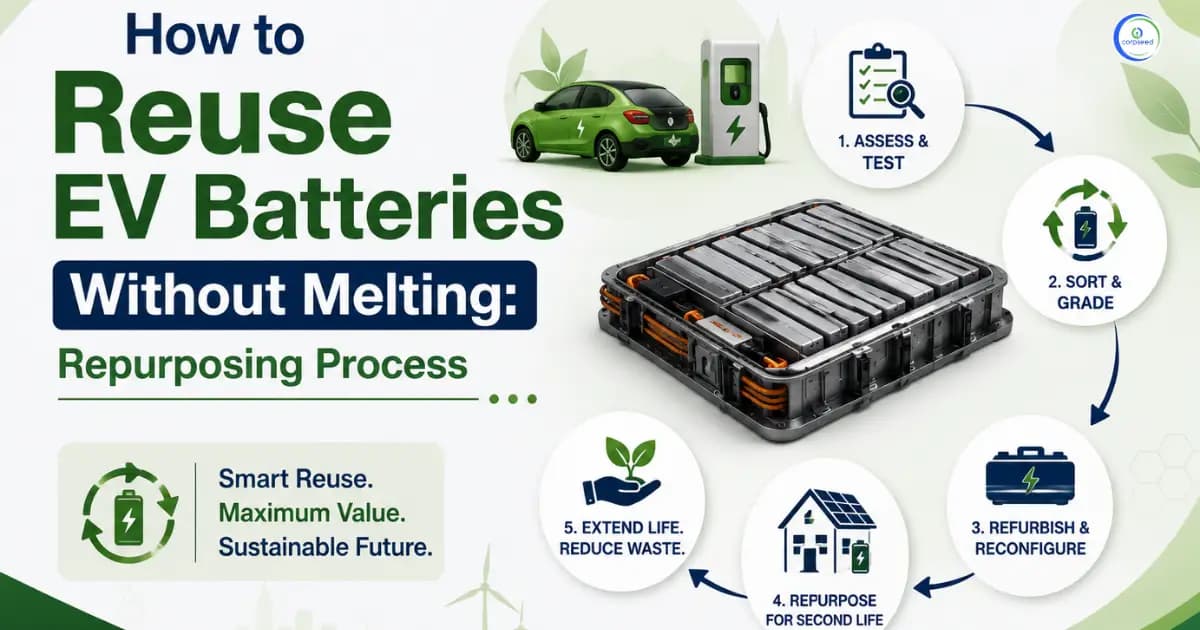
Can a Dead Electric Vehicle Battery Ever Be Used Again Without Melting It?
2026-08-18
India’s Tyre Recycling Opportunity: What HSN, GST and EPR Changes Could Mean
2026-08-13
CPCB Guidelines for Recycling of Waste Batteries (Lead Acid & Lithium-ion): Complete Compliance Guide 2026
2026-07-24