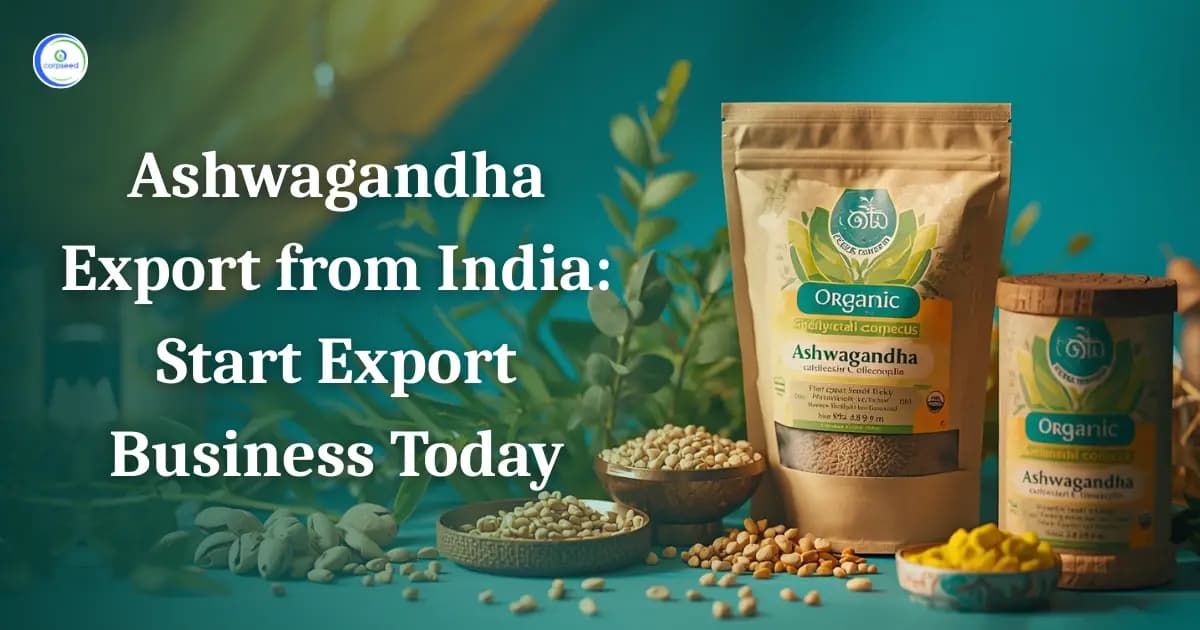
The Ashwagandha export in India is a promising business venture as more people around the world are showing interest in herbal and plant-based health products. Ashwagandha, also known scientifically as “Withania somnifera”, is a dietary supplement, nutraceutical, and wellness product common in Ayurvedic medicine.
India has a natural advantage as a supplier due to favorable agro-climatic conditions, traditional cultivating methods, and a well-established supply chain of medicinal plants. Nevertheless, to be able to export the herb successfully, it is not enough to cultivate it. The exporters are required to adhere to regulations, seek appropriate registrations, fulfill quality standards, and come up with the correct documentation. Each procedure, including the obtaining of the Import Export Code (IEC) for food safety, is a prerequisite essential for smooth and compliant exports.
Table of Contents
- Understanding Ashwagandha and Its Export Potential
- Growing Global Demand for Ashwagandha
- Quality Standards and Certification Required for Ashwagandha Export
- Licenses and Registrations Required for Ashwagandha Export
- How to Start Ashwagandha Export from India
- HS Code, Documentation, and Compliance Requirements
- Conclusion
Understanding Ashwagandha and Its Export Potential
Ashwagandha is mainly cultivated for its roots, which are valued for their therapeutic properties. The major cultivation centers are Madhya Pradesh, Rajasthan, Gujarat, Uttar Pradesh, and Maharashtra.
In the export market, Ashwagandha is offered in multiple forms depending on buyer needs:
- Dried roots
- Powdered form
- Standardized herbal extracts
- Blended or value-added products for supplements and cosmetics
India has a large base of cultivation, skilled labour, and traditional knowledge, which makes it very competitive in the international market. Indian Ashwagandha is also well-placed in the international markets, coupled with excellent logistics networks and increasing global awareness. Exporters should also be careful to make sure that they have properly classified their HS code, adhered to the DGFT rules, and meet importing country standards to avoid shipment delays or rejection.
Growing Global Demand for Ashwagandha
The demand for Ashwagandha has boosted significantly due toa worldwide shift towards preventive healthcare and natural medicines. The data on the export of Ashwagandha indicates a steady increase in the exports of the product to the developed and emerging economies. Several factors are driving this demand:
- Rising nutraceutical consumption in the United States: Ashwagandha is commonly used in dietary supplements to manage stress, promote sleep and immunity, and this trend has resulted in consistent imports from India.
- European preference for certified herbal products: European markets are willing to accept Ashwagandha products that comply with high standards of safety, residue, and quality, boosting Indian exporters to follow certified manufacturing methods.
- Growth of wellness markets in Australia and Canada: With the growing awareness of Ayurvedic herbs, demand for Indian Ashwagandha extracts and powders has grown.
- Traditional medicine use in the Middle East: UAE and other Gulf countries import Ashwagandha for herbal and alternative medicine applications.
- Expanding online supplement retail: Global online shops have increased the demand for herbal raw materials and extracts of Indian origin.
--------------Blog Contact Form-------------
Quality Standards and Certification Required for Ashwagandha Export
Exporters need to adhere to the quality and safety standards of herbal and plant-based products to enter the international markets and gain the trust of buyers. The major standards and certifications include:
- Good Manufacturing Practices (GMP): To maintain hygiene, consistency and product safety, processing and packaging units that deal with Ashwagandha should adhere to GMP.
- FSSAI Compliance: FSSAI licensing and compliance with food safety standards is obligatory when Ashwagandha is exported in edible forms (e.g., powder or capsules).
- Laboratory Testing Reports: Laboratories that are accredited give test reports for heavy metals, microbial contamination, pesticide residue, and active compounds like withanolides.
- Organic Certification (if applicable): Organic-certified Ashwagandha is more desirable in most of the foreign markets and fetches higher prices.
- Buyer-specific Standards: Certain importing nations might demand further testing or documentation according to local food or herbal standards.
Licenses and Registrations Required for Ashwagandha Export
Ashwagandha export business is based on licensing and registration. Missing any mandatory approval can lead to shipment delays or rejection. Some of the essential licenses are:
- Importer Exporter Code (IEC): IEC is issued by the Directorate General of Foreign Trade (DGFT) and required for all the exporters in India. None of the export shipment can be cleared without it.
- GST Registration: GST registration is necessary to conduct export deals and to receive refund on zero-rated exports.
- APEDA Registration: Ashwagandha is an agricultural and plant-based product, which has to be registered with the Agricultural and Processed Food Products Export Development Authority (APEDA). APEDA registration allows exporters to access export promotion schemes and market support.
- FSSAI License: In case Ashwagandha is exported as an edible product like powder, capsules or mixes, then it requires an FSSAI license. The processing units are required to meet food safety standards as stipulated by the Indian regulations.
- Business Registration: Exporters must operate under a legally recognized entity such as:
- Proprietorship
- Partnership
- LLP
- Private Limited Company
How to Start Ashwagandha Export from India
The Ashwagandha export business needs to be planned, sourced, and regulated. Although the specific steps include a number of administrative processes, the exporters can concentrate on the following high-level process:
- Obtain Import Export Code (IEC): This is compulsory for any exporter and is issued by Directorate General of Foreign Trade (DGFT). It permits the export of Ashwagandha and foreign payments.
- Source High-Quality Raw Material: Ashwagandha is grown in various states of India. Make sure source from trustworthy farmers or suppliers that have good agricultural practices (GAP) to ensure consistency and quality.
- Select the Right Product Form: The exporters may decide on the type of product form to be used based on the demand of the target market: it may be raw roots, powder, standardized extracts, or value-added formulations.
- Ensure Quality and Compliance: Products must comply with international quality expectations. Heavy metal, microbial contamination, pesticide residues, and active compounds (withanolides) testing assists in developing confidence in the buyers.
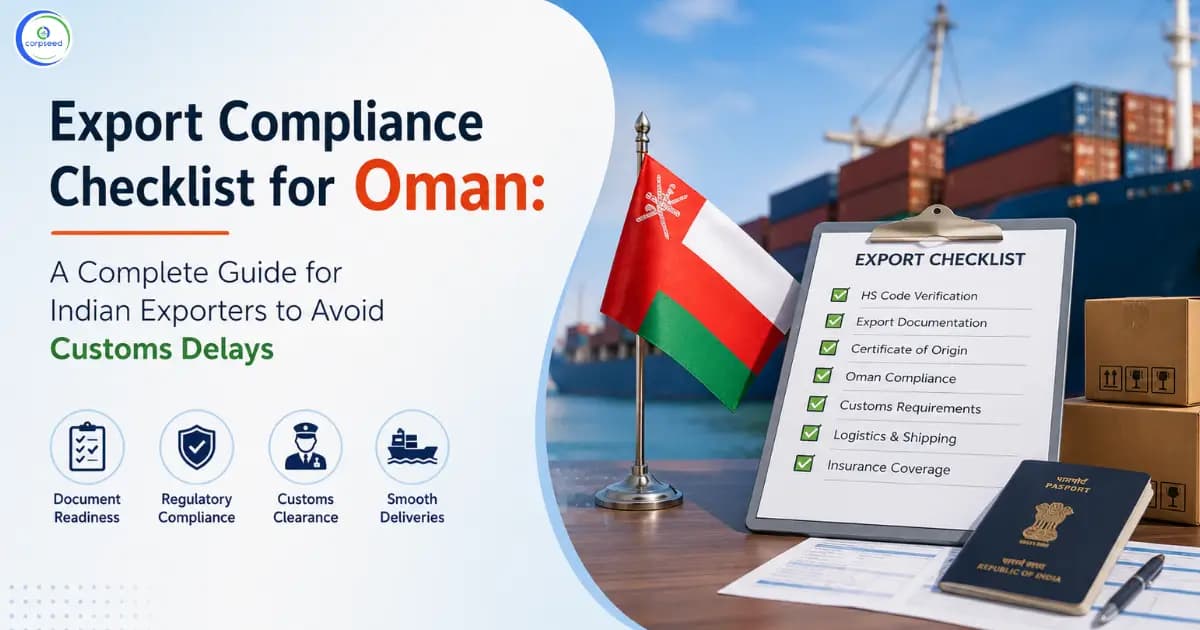
- Prepare Export Documentation: Simple documentation consists of commercial invoices, packing lists, certificates of origin, and quality certificates to show the authenticity of products and their origin.
HS Code, Documentation, and Compliance Requirements
Appropriate classification and complete documentation are vital for seamless exports.
- HS Codes
- 121190: Medicinal plants and parts (raw roots or powders)
- 130219: Vegetable extracts (standardized herbal extracts)
The proper choice of HS codes guarantees the unproblematic clearance of customs, defines the duties, and adheres to the international trade requirements.
- Mandatory Documentation:
- Commercial Invoice
- Packing List
- Certificate of Origin
- Phytosanitary Certificate
- Certificate of Analysis (COA)
- Insurance Certificate (if applicable)
- Compliance Considerations:
- Foreign consumers might possess national criteria for residues, microbial security, and labelling.
- Adherence to phytosanitary requirements will result in a pest-free consignment.
- Certificates like COA confirm active compound content and product safety.
Conclusion
Ashwagandha export in India is a good business prospect for exporters that can adhere to the right legal, quality, and compliance procedures. Getting required registrations like IEC and APEDA is the first step in the process. Next, compliance with food safety, quality testing, and phytosanitary regulations is ensured.
The proper declaration of HS code, compliance with the DGFT rules, and the development of export documents are essential to prevent problems with customs. As the demand grows globally with the positive export data of Ashwagandha, Indian exporters who prioritize quality, traceability, and regulatory compliance will be able to establish long-term business relationships with foreign countries.
In the upcoming years, Indian Ashwagandha exporters can increase their worldwide footprint and attain sustainable export growth with systematic planning, regulatory awareness, and quality assurance.
This portion of the site is for informational purposes only. The content is not legal advice. The statements and opinions are the expression of author, not corpseed, and have not been evaluated by corpseed for accuracy, completeness, or changes in the law.
BOOK A FREE CONSULTATION
Get help from an experienced legal adviser. Schedule your consultation at a time that works for you and it's absolutely FREE.