Starting a mushroom cultivation business in India is a promising opportunity for new and experienced farmers. The cost and profit of mushroom farming are the first things that many entrepreneurs consider in order to plan their investments and returns. But to commercially sell mushrooms, one must obtain an FSSAI License. This license will guarantee that your business is up to the official food safety and hygiene standards. It will enable you to sell fresh or processed mushrooms confidently to markets, retailers, and online platforms and gain customer and partner trust.
Table of Contents
- Understanding FSSAI License and Why It Is Mandatory for Mushroom Farming
- Types of FSSAI Licenses for Mushroom Cultivation Business in India
- Documents Required to Apply for FSSAI License
- Step-by-Step Process to Get FSSAI License for Mushroom Cultivation
- Renewal and Compliance Requirements for Mushroom Cultivation Businesses
- Penalties for Operating Without an FSSAI License
- Conclusion
Understanding FSSAI License and Why It Is Mandatory for Mushroom Farming
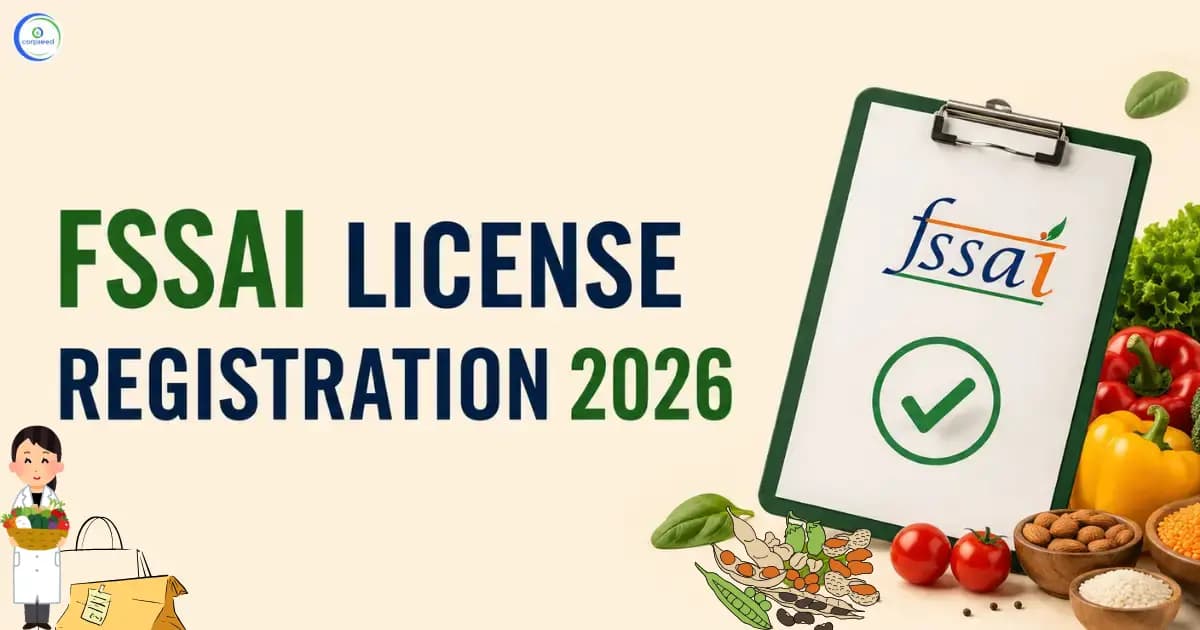
Food Safety and Standards Authority of India or FSSAI controls all the food businesses to make sure that the products that reach the consumers are safe and hygienic. The Food Safety and Standards Act of 2006 requires all food business operators (FBOs) to obtain registration or a license, depending on the size and turnover of their business.

Basic Registration can be applied for by small growers whose annual turnover is not more than 12 lakh rupees. Medium and large businesses with higher turnovers require a State or Central license. Selling mushrooms to local markets, grocery stores, or online customers, even with a small farm, requires FSSAI compliance is essential. Operating without a valid license is unlawful and may result in punishment.
Getting an FSSAI license is not just a matter of fulfilling legal requirements. It demonstrates to your customers and partners that you are committed to food safety. It also enables you to reach broader marketplaces, cooperate with distributors, and engage in institutional sales. Adherence to FSSAI regulations means that your business runs smoothly and safeguards your reputation while supporting sustainable development.
Types of FSSAI Licenses for Mushroom Cultivation Business in India
The FSSAI provides various types of licenses based on the size and turnover of the business. Understanding these categories will help you apply them in the right way.
- Basic FSSAI Registration: This is applicable to small mushroom farms whose annual turnover is not more than 12 lakh rupees. It is easy to acquire and suitable for home-based growers.
- State FSSAI License: The FSSAI State License is required for businesses whose turnover is between 12 lakh and 20 crore rupees and are located in one state. The majority of medium-sized mushroom farms fall under this category.
- Central FSSAI License: Large organizations that have a turnover of more than 20 crore rupees or operate in more than one state or export mushrooms are required to obtain the FSSAI Central License. This license guarantees adherence to the national laws.
Documents Required to Apply for FSSAI License
The registration process can be completed without any mistakes or rejections by preparing the right documents before the application. The necessary documents include:
- Passport size photograph of the owner or applicant
- Government-issued ID proof
- Proof of business address, like a rental agreement or electricity bill
- Business entity documents, such as a partnership deed or company registration
- No objection certificate from local authorities if required
- IEC code if you plan to export mushrooms
--------------Blog Contact Form-------------
Step-by-Step Process to Get FSSAI License for Mushroom Cultivation
The process for applying for an FSSAI license is a straightforward process when done systematically. Here is a step-by-step guide.
- Decide License Type: Determine whether you need a Basic, State, or Central License based on your annual turnover and business operations.
- Register on the FSSAI Portal: To start the application, create an account on the official portal using a valid email address and mobile number.
- Fill the Application Form: Fill in your business information, such as trade name, address, business type, and mushroom products.
- Upload Required Documents: Add all the required documents in the given format. Ensure that files are clear and correct.
- Pay Government Fees: Pay the applicable fees online. Basic Registration has minimal fees, while State and Central Licenses cost more.
- Submit and Track Application: Once the application is submitted, you can use the reference number to monitor the progress of your application online.
- Download FSSAI License: After the approval, you can download your FSSAI certificate with the 14-digit license number and place it on your products and business documents.
Renewal and Compliance Requirements for Mushroom Cultivation Businesses
Maintaining FSSAI compliance is as significant as obtaining the license. Regular renewal and compliance with regulations avoid legal issues.
- Timely Renewal: Apply for renewal at least thirty days before the license expires to keep your operations uninterrupted.
- Maintain Records: Maintain records of production, hygiene checks, and sales should be kept updated for compliance verification.
- File Annual Returns: File all the necessary reports and returns in time as per the FSSAI guidelines.
- Accurate Labeling: Each product displays the FSSAI license number, manufacturing date, and other necessary details.
- Keep Premises Clean: Maintain hygiene and safety in your cultivation, storage, and packaging facilities.
- Update Changes Promptly: Inform the authorities in case of any changes in business ownership, address, or operational details.
Also Read: What is FSSAI License Modification? Process, Fee, and Documents Explained
Penalties for Operating Without an FSSAI License
It is unlawful to run a mushroom business without FSSAI compliance. The fines are up to five lakh rupees, business suspension, and imprisonment in severe cases. Unlicensed selling may also block entry into markets, wholesalers, and e-commerce platforms, which may need verified certification. The products that are FSSAI-verified are in high demand by customers and business partners. Failure to comply may have serious consequences for your reputation and make it difficult to expand your mushroom business legally.
Conclusion
Securing an FSSAI License for Mushroom Cultivation Business in India is necessary for all growers who wish to sell commercially. It guarantees legal compliance, product safety, and credibility. Although the cost and profit of mushroom farming are the main concerns of many entrepreneurs, the license is also essential for the smooth business operations and future development.
From choosing the right license to document preparation, online application, fee payment, and compliance, every step will reinforce your business base. With a valid license, you can venture into new markets, deal with distributors, and attract buyers with more confidence. Not only is it a regulatory formality, but it is also a crucial business asset that safeguards your investment and reputation. With the right licensing, your mushroom-growing business can thrive securely and sustainably as it gains customers' confidence and the support of other stakeholders in India.
This portion of the site is for informational purposes only. The content is not legal advice. The statements and opinions are the expression of author, not corpseed, and have not been evaluated by corpseed for accuracy, completeness, or changes in the law.
BOOK A FREE CONSULTATION
Get help from an experienced legal adviser. Schedule your consultation at a time that works for you and it's absolutely FREE.