
Plastic Waste Management Amendment Rules 2026: A Complete Guide
The Plastic Waste Management (Amendment) Rules, 2026, is to improve the way plastic waste is handled in India.
Schedule a Call Back
4,500+ plastic EPR assignments since 2018
Clients include Brenntag Ingredients India, Reliant Packaging Films, Taurus Packaging, Axel Polymers, Lintec India, Kumar Organic Products, HP Adhesives, DDP Speciality Products India, Colt Technology Services India, Emerson Automation Solutions Intelligent Platforms, Intangles Lab, Shindengen India (12 of 1,700+ served since 2018).
A few more clients we've served in this industryHide the list
- Chemicals and materials
- Brenntag Ingredients India · Reliant Packaging Films · Taurus Packaging · Axel Polymers · Lintec India · Kumar Organic Products · HP Adhesives · DDP Speciality Products India
- Electronics and technology
- Colt Technology Services India · Emerson Automation Solutions Intelligent Platforms · Intangles Lab · Shindengen India · Emerson Process Management (India) · Lianchuang Electronic India · Emerson Process Management Chennai · Hayakawa Electronics India
- Pharma and healthcare
- Beryl Drugs · Ascent Meditech · Eli Lilly and Company (India) · Q-Line Biotech · Rajasthan Antibiotics · G D Pharmaceuticals · Micro Labs · ADK Health Care
- Engineering and manufacturing
- Essel Mining & Industries · Juki India · Hilti India · Bundy India · Hilti Manufacturing India · KJS Cement (I) · Mangalam Cement · Birla Precision Technologies
- Food and consumer goods
- Onest · AVT McCormick Ingredients · Akay Natural Ingredients · Ugraya Foods and Feeds · AVT Natural Products · Jalpaiguri Food Industries · Param Dairy · Esther Parfumerie
- Logistics and trade
- Siddhartha Logistics · Siddhartha Logistics Ftwz · Honda Trading Corporation India · Dksh India · MOL Logistics (India) · Fibs Logistics India · Zenexpress Logistics
- More clients
- Nilkamal
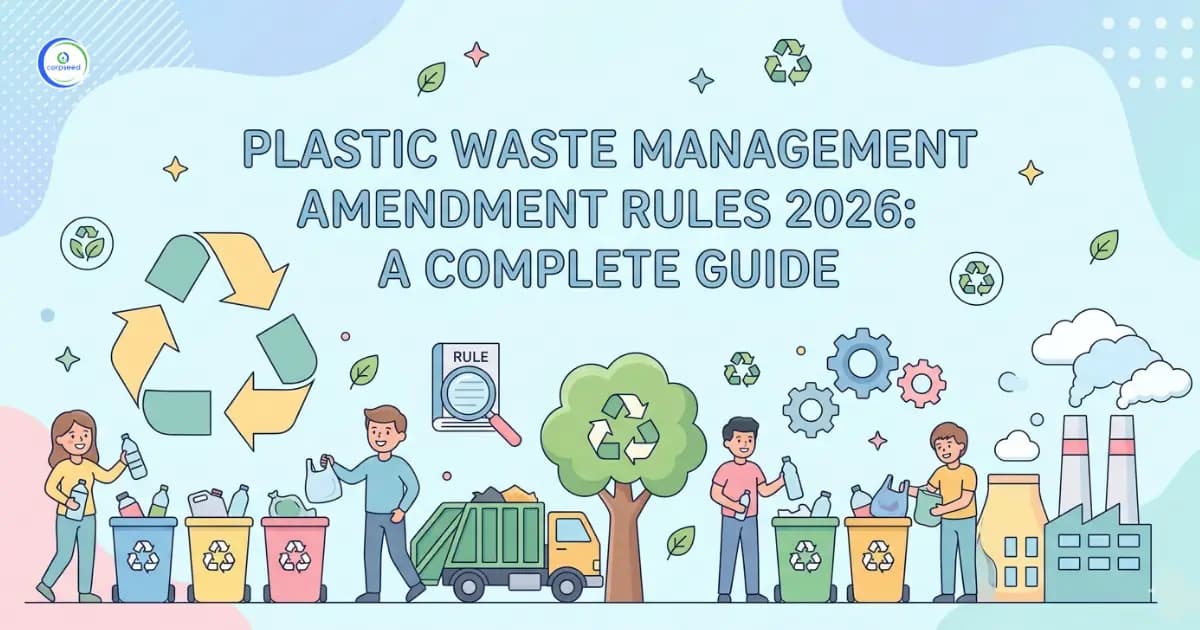
The goal of the Plastic Waste Management (Amendment) Rules, 2026, is to improve the way plastic waste is handled in India. These rules and regulations primarily concentrate on improving recycling, reuse, and compliance under the Extended Producer Responsibility or EPR framework in light of growing environmental concerns and more stringent sustainability objectives. To guarantee compliance and long-term sustainability, companies or businesses that deal with plastic packaging must align their operations with these updated standards.
Overview of Plastic Waste Management Rules 2026
The amendment, which was notified on March 31, 2026, under the Environment Protection Act, 1986, is applicable across India and came into force immediately upon publication. Its major focus is on improving Extended Producer Responsibility (EPR) and ensuring better waste processing, and mandating the use of recycled plastic in packaging.
Key highlights:
- Mandatory recycled plastic usage targets.
- Stronger EPR compliance framework.
- Nationwide applicability, including rural areas.
- Centralized compliance monitoring system.
Key Definitions Introduced
To remove the ambiguity and improve enforcement, the amendment introduces clear definitions for several important terms. These definitions help in standardizing compliance requirements and ensuring the uniform interpretation across the industries.
Important terms include:
- End-of-Life Disposal: Use of plastic waste for energy recovery (e.g., waste-to-energy, co-processing in cement industries, road construction).
- Plastic Waste Processor: Entities involved in recycling or final disposal of plastic waste.
- Reuse: Using materials again without altering their structure.
- Registered Environmental Auditor: Certified auditor under Environment Audit Rules, 2025.
- Seller: A person dealing in plastic raw materials like resins or pellets.
Mandatory Recycled Plastic Usage Targets
The amendment's requirement that recycled plastic be used in packaging materials is one of its most significant features. To ensure gradual but steady adoption, the government has set phased targets for various types of plastic packaging. Over time, the requirement for rigid plastic packaging has risen from 30% to 60%. Although at smaller percentages, flexible and multi-layered plastics also have specific goals. In addition to encouraging the recycling sector and reducing reliance on virgin plastic, these provisions permit some exceptions for situations in which recycled plastic is legally prohibited.
Mandatory use of recycled plastic in plastic packaging
(% of plastic packaging manufactured for the year)
| Plastic packaging category | 2025-26 | 2026-27 | 2027-28 | 2028-29 and onwards |
| Category I | 30 | 40 | 50 | 60 |
| Category II | 10 | 10 | 20 | 20 |
| Category III | 5 | 5 | 10 | 10 |
Focus on Reuse of Plastic Packaging
In addition to recycling, the amendment emphasizes reuse, particularly for rigid plastic packaging. Brand owners are required to meet the specific reuse targets that increase over time. This is especially relevant for large packaging formats such as beverage containers, where reuse percentages can go as high as 85%. By encouraging refillable and returnable packaging systems, the rules aim to reduce plastic waste generation at the source significantly.
Enhanced Labelling and Compliance Requirements
Stricter quality and labelling requirements for recycled plastic products are introduced by the amendment only. To ensure the quality and safety, all such products must adhere to the Indian Standard. In order to identify recycled content, appropriate labelling and marking are also required. Additionally, materials that come into contact with food must follow special provisions that comply with applicable safety regulations. These steps are intended to encourage the use of recycled materials while guaranteeing consumer safety and transparency.
Schedule a Call Back
Role of Authorities and Local Bodies
The regulations give local governments more authority to carry them out successfully. Enforcing plastic usage restrictions and making sure appropriate waste management systems are in place are the responsibilities of urban local bodies. Panchayati Raj institutions have been given the authority to oversee and enforce compliance in rural areas. The decentralized strategy guarantees efficient handling of plastic waste in every part of the nation.
State-Level Monitoring Committee
Every state must create a State-Level Monitoring Committee in order to enhance coordination and oversight. Pollution control boards, industry stakeholders, and representatives from several government departments make up this committee, which is led by the Chief Secretary. Its duties include supervising the application of the regulations, resolving issues, and guaranteeing that goals are successfully reached.
Audit and Verification Framework
The rules and regulations establish the notion of Registered Environmental Auditors to guarantee appropriate execution. These auditors will confirm adherence to EPR or Extended Producer Responsibility requirements and the use of recycled plastic. Detailed recommendations for audits and verification procedures are issued by the Central Pollution Control Board (CPCB). In addition to increasing trust, this stage guarantees the accuracy and dependability of the reported data.
Business Impact of Plastic Waste Rules 2026
The amendment brings both opportunities and challenges for businesses that are dealing with plastic packaging.
Positive impacts:
- Encourages sustainable innovation
- Enhances ESG and brand reputation
- Boosts the recycling ecosystem
Challenges:
- Increased compliance costs in India.
- Difficulty in sourcing recycled materials
- Need for operational and supply chain changes
Required actions:
- Adopt recycled and reusable packaging
- Ensure timely compliance and reporting
- Collaborate with recyclers and waste processors
Conclusion
In conclusion, an important or foremost step toward sustainable plastic management in India is the Plastic Waste Management (Amendment) Rules, 2026. The government looks to lessen its influence on the environment and promote a circular economy by mandating the use of recycled content, encouraging reuse, and boosting compliance processes. To be competitive and compliant in a changing regulatory environment, businesses need to proactively adjust to these changes.
About the Author

Anshika Jindal
Content WriterAnshika Jindal, a Legal Content Writer with strong expertise in legal research and a solid academic background in BA LLB and LLM (Criminal Law). I specialize in researching statutes, case laws, and legal developments and presenting them in clear, accurate, and engaging written content. With strong analytical skills and attention to detail, I create reliable, well-structured legal content while maintaining professional and ethical standards.
I specialize in conducting in-depth legal research using credible sources and presenting legal information in a structured, reader-friendly manner while maintaining precision and authenticity. My work focuses on simplifying legal language without compromising its meaning, making legal content accessible to a wider audience.
Related articles
C&D Waste EPR Registration in India: CPCB Process, Documents, Fees & Compliance
2026-11-12
From 62% to Zero: The Complete Guide to Zero Waste to Landfill Certification
2026-08-11
Top 10 Category 2 Plastic Recycled Granules Manufacturers in India
2026-07-23
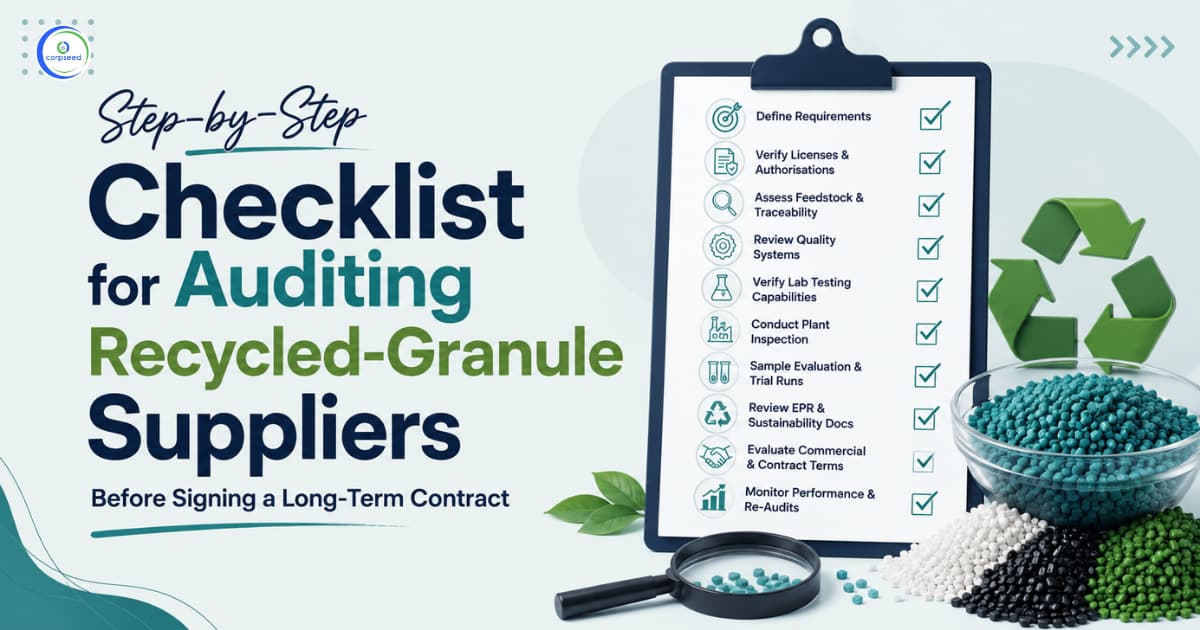
Step‑by‑Step Checklist for Auditing Recycled‑Granule Suppliers Before Signing a Long‑Term Contract
2026-07-22
What are the Solid Waste Management Rules, 2026?
2026-02-05
BMW Certificate Renewal Process For Clinics And Hospitals
2026-01-05