
India Achieves 20% Ethanol Blending Target Early: A Major Green Energy Milestone
India achieves the 20% ethanol blending target early, reducing emissions, boosting the rural economy, and enhancing energy security ahead of the 2030 goal.
Schedule a Call Back
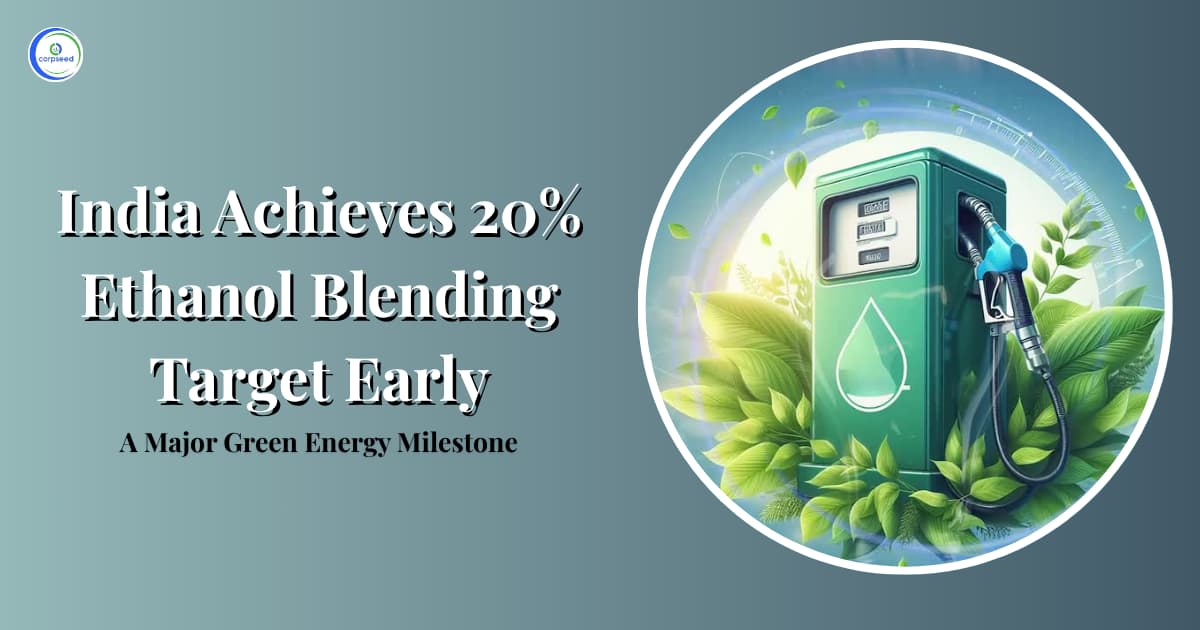
India has reached the goal of blending 20% ethanol with petrol, five years ahead of the 2030 target. This milestone shows India’s strong progress toward using greener energy. In just a decade, ethanol blending has grown from 1.5% in 2014 to 20% by 2025. This effort helps reduce reliance on fossil fuels and supports cleaner, renewable energy solutions.
Schedule a Call Back
Overview of Ethanol Blending
Ethanol blending has been an important strategy for India’s green energy journey. The government started this initiative in 2014 to lower the country’s dependence on imported oil and reduce carbon emissions. By 2025, ethanol production in India soared to 6,610 million liters, up from just 380 million liters in 2014. This jump in production helped India surpass the 20% blending target. As a result, India cut d own CO2 emissions by nearly 70 million tonnes.
The benefits of this move go beyond just the environment. Blending ethanol with petrol not only reduces emissions but also improves India’s energy security. Ethanol is made from crops grown in India, which reduces the need to import expensive oil. This helps make India more self-reliant and sustainable.
Bio-Energy’s Role in India’s Green Future
Bio-energy plays a big part in India’s shift to renewable energy. As a clean fuel, bio-energy reduces harmful emissions from fossil fuels. The government encourages ethanol production from agricultural products, making it a green alternative to petrol. This approach supports cleaner air and boosts the rural economy by creating more markets for farm products.
Bio-energy is a key part of India’s strategy to cut carbon emissions and achieve long-term environmental goals. The country continues to focus on bio-energy to lower its overall carbon footprint and ensure a greener future.
Sugar Industry Supports Ethanol Production
The sugar industry has played an important role in the success of ethanol blending in India. Sugarcane, the main raw material for ethanol, has helped increase production. Many sugar mills in India have shifted to producing ethanol, using sugarcane juice, molasses, and other materials. This change has helped farmers earn more money and boosted the rural economy.
By focusing on ethanol production, sugar mills have expanded their business and strengthened India’s bio-energy sector. This partnership between agriculture and bio-energy has been crucial for meeting blending targets.
Economic Benefits of Ethanol Blending
India’s ethanol blending program has provided significant economic benefits:
- Ethanol blending saved India Rs. 1,36,000 crore (around $15.74 billion) by reducing the need for crude oil imports.
- The program generated Rs. 1,18,000 crore (around $13.66 billion) in income for farmers by increasing the demand for crops like sugarcane.
- Distilleries earned Rs. 1,96,000 crore (around $22.69 billion) from ethanol production, which helped the industrial sector grow.
- The program created jobs and stabilized the rural economy by supporting agriculture and industry.
Conclusion
India’s success in reaching the 20% ethanol blending target early sets a great example for the world. This achievement shows that renewable energy, especially bio-energy, can drive positive environmental and economic changes. Ethanol plays a key role in reducing carbon emissions, strengthening the rural economy, and improving energy security.
As India continues to invest in bio-energy and renewable sources, the path toward a cleaner, more sustainable future looks brighter. Ethanol and bio-energy will remain at the heart of India’s efforts to build a greener, self-reliant nation.
About the Author

Mahek Sancheti
Content WriterMahek Sancheti, BAJMC graduate with a deep passion for writing. As a content writer, video content creator, creative content creator, and scriptwriter, I bring stories to life through words and visuals. I honed my skills by working with a prominent news agency, where I excelled in crafting compelling narratives and engaging content. Coming from a journalism and mass communication background I have skills to craft engaging narratives that captivate audiences. With a keen interest in writing and creativity, I aim to deliver impactful and meaningful content that resonates with diverse audiences.
https://www.linkedin.com/in/mahek-sancheti-837196212
Related articles

National Green Hydrogen Mission in India
2026-11-02
CBG Plant Compliance Under GOBARdhan Scheme: Online GC Rules Relaxed Until March 2027
2026-10-28
PNGRB Hydrogen Blending Guidelines 2026: 5% PNG Rules, Safety and Approvals
2026-10-15
India-Japan CBG Initiative Targets 1,000 Biogas Plants and 2.5 Million CNG Vehicles by 2030
2026-07-07
How to Start an E-waste Recycling Business in India?
2026-04-28
Government Initiatives of Compressed Biogas (CBG) Subsidy
2026-04-02