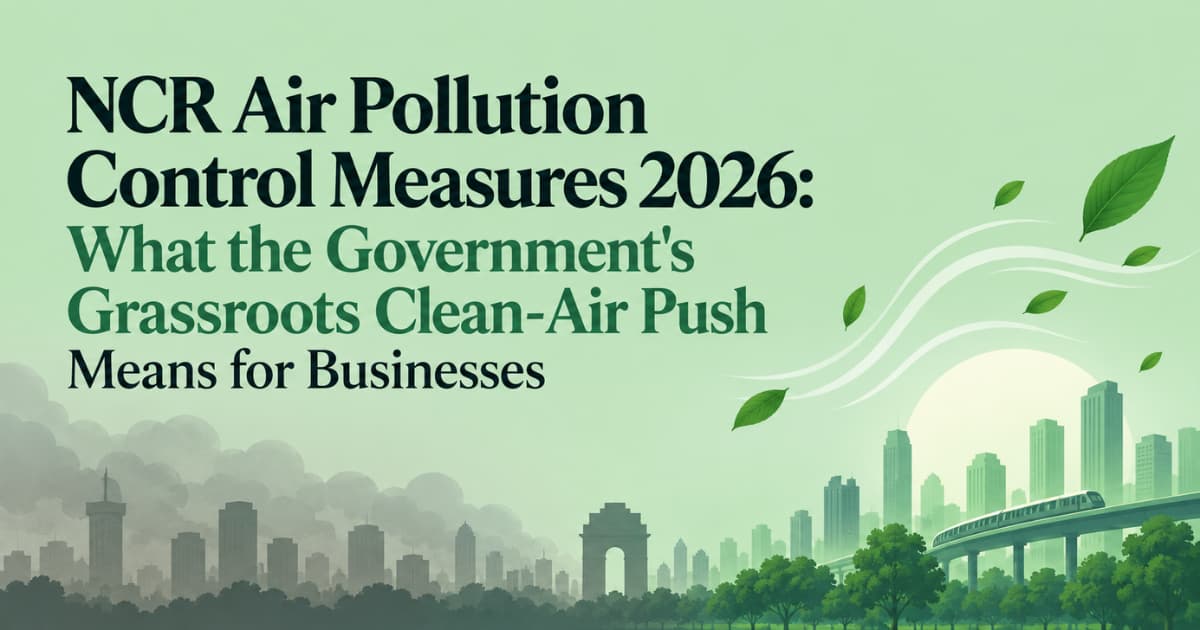
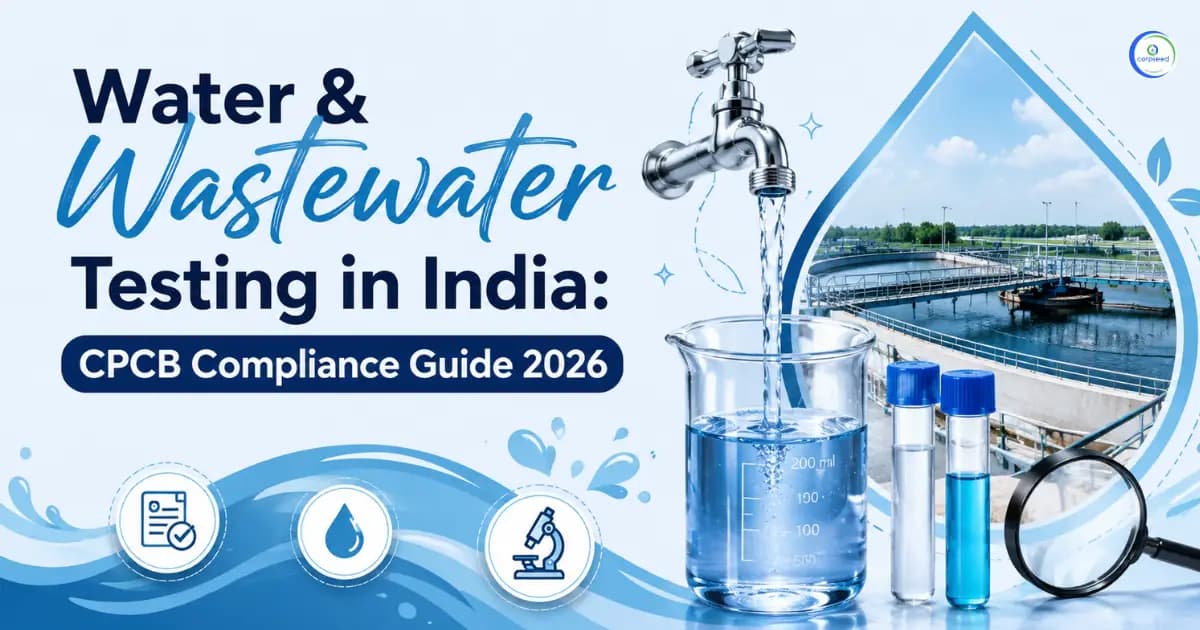
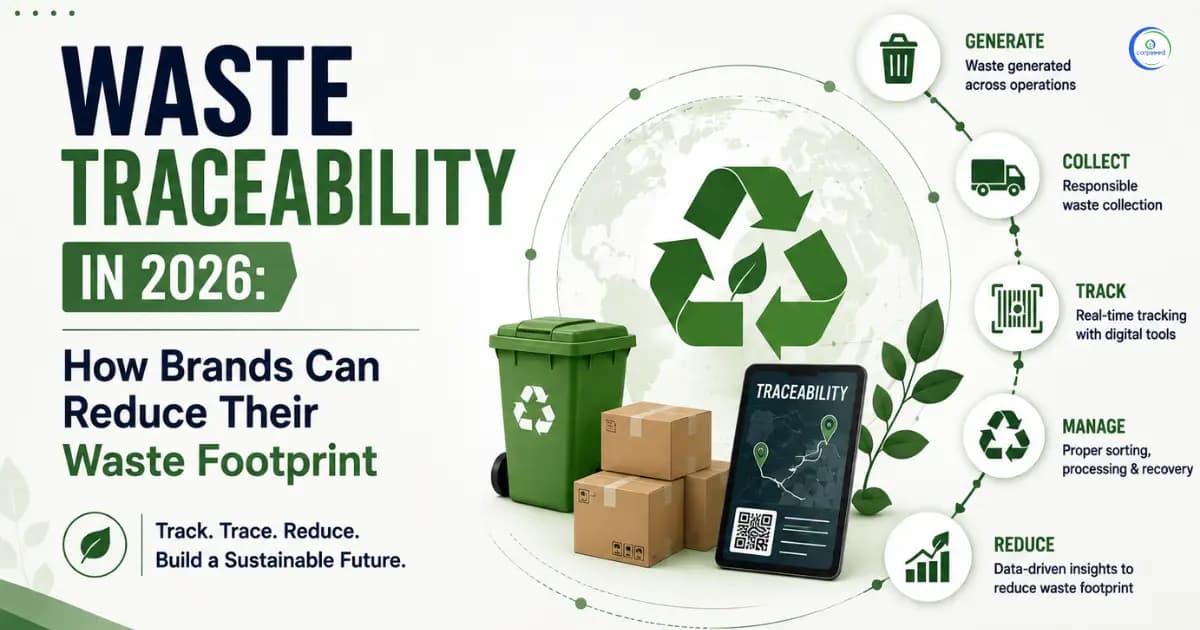
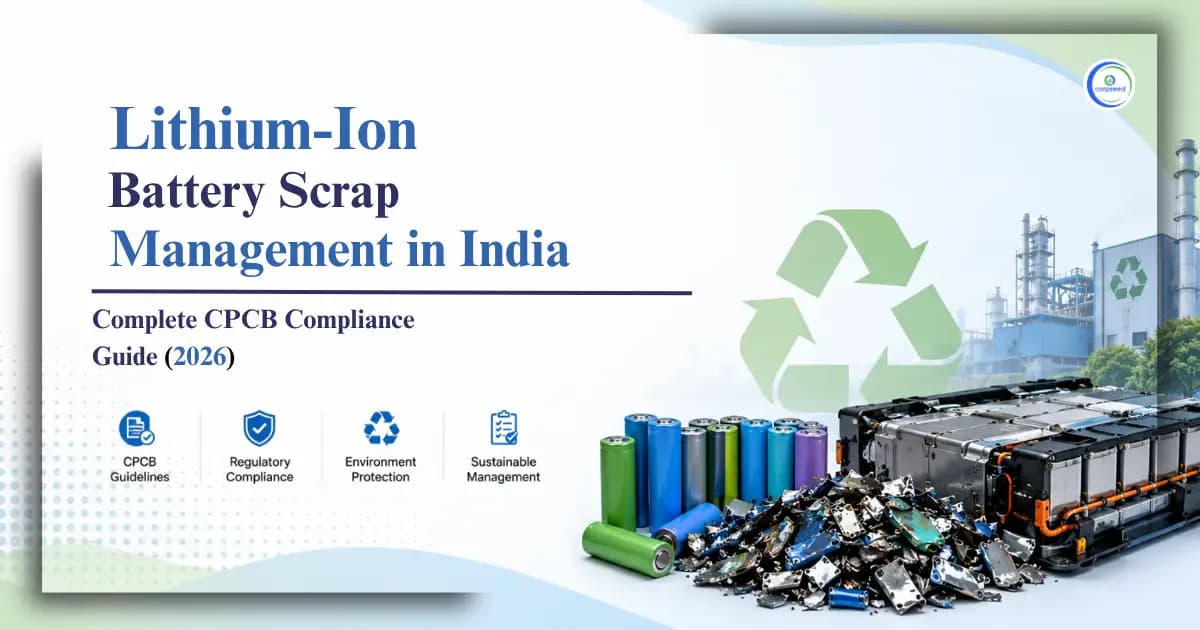
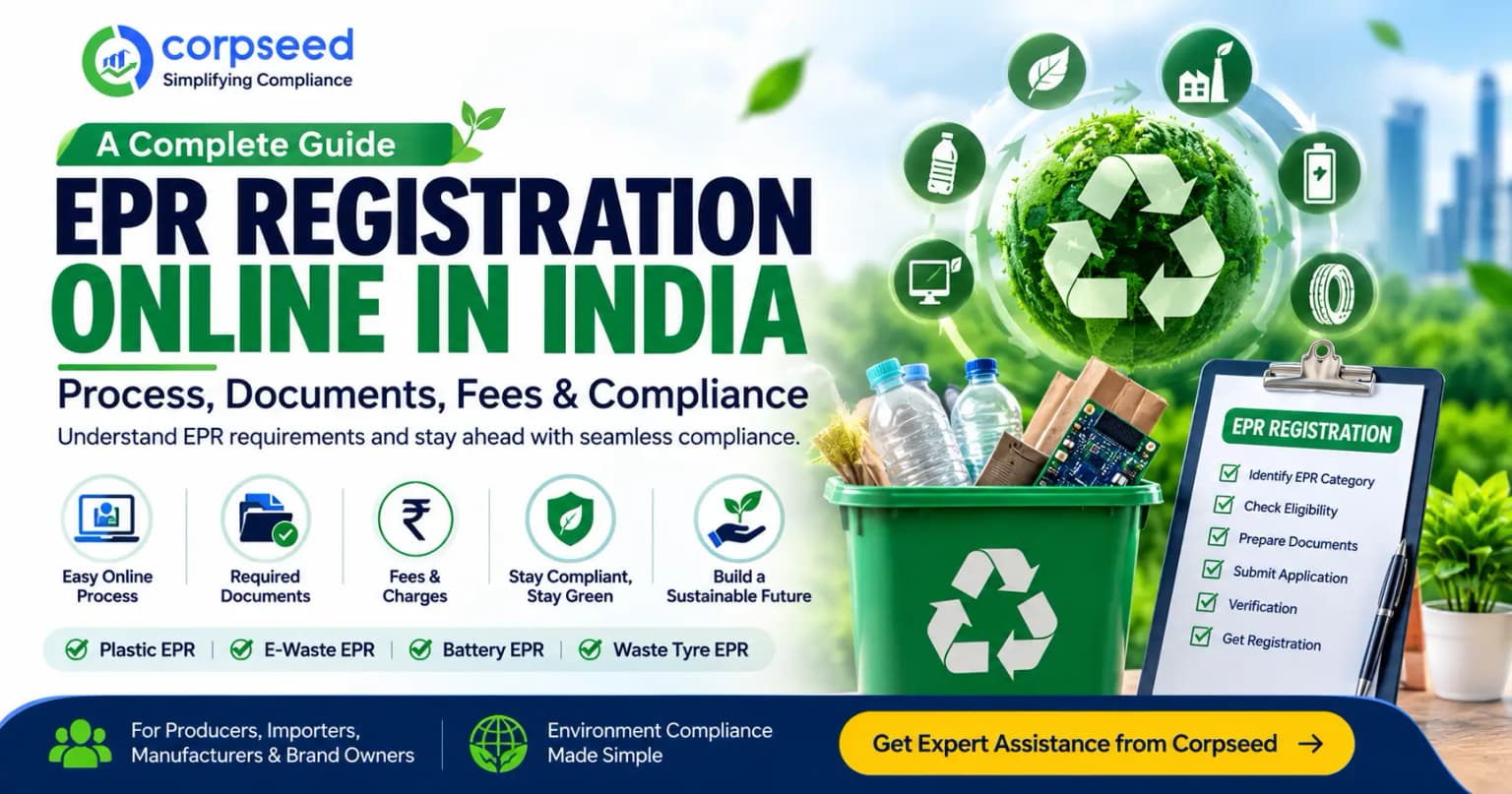
Environmental compliance in India is evolving rapidly. Regulators are becoming stricter, digital surveillance is growing, and industries are being compelled to work in a cleaner and more transparent manner. In 2026, businesses in the manufacturing, chemicals, infrastructure, FMCG, electronics, and waste management sectors will be subject to more stringent demands in relation to pollution management, waste management, and environmental reporting.
Table of Contents
- Understanding Environmental Compliance Changes in 2026
- Key Regulatory Amendments Impacting Indian Industries
- Changes in Environmental Clearance and Approval Processes
- Stricter Enforcement and Penalties in 2026
- Role of Sustainability and ESG in Compliance Strategy
- Steps Industries Should Take to Stay Compliance-Ready in 2026
- Conclusion
In the case of industries, compliance is no longer a matter of getting approvals. It currently has a direct impact on business continuity, investments, exports, and brand reputation. Failure to comply may result in fines, shutdown of plants, and expansion delays.
Understanding Environmental Compliance Changes in 2026
Environmental compliance refers to meeting regulations concerning pollution control, waste management, resource utilization, as well as environmental protection established by set authorities such as the MoEFCC, CPCB, and State Pollution Control Boards.
In 2026, the compliance requirements are changing in three significant directions.
- First, monitoring is becoming stricter and digital. Industries are now expected to provide real-time emission and effluent data through online systems connected to regulators.
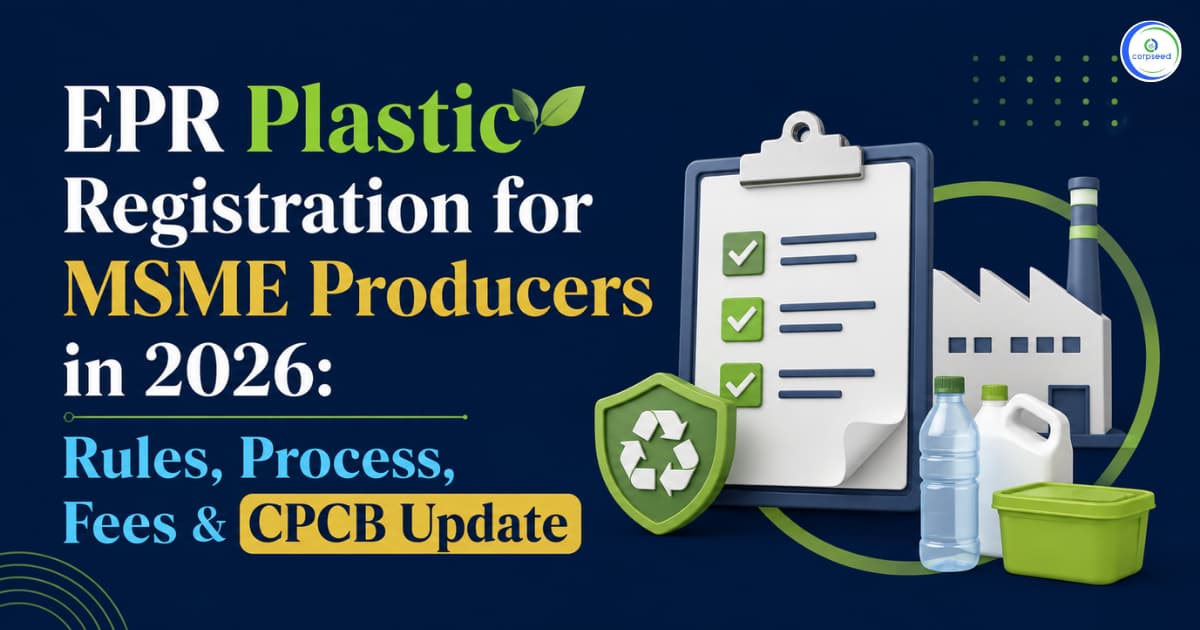
- Second, waste responsibility is expanding. Under Extended Producer Responsibility (EPR), producers and importers are required to safely recycle or dispose of the products once they have been used.
- Third, environmental approvals are getting more transparent and conditional. Authorities are putting more emphasis on environmental performance over the long term, rather than short-term approvals.
These developments imply that compliance has to be incorporated in business planning, and not addressed only when inspections occur.
Key Regulatory Amendments Impacting Indian Industries
There are several regulatory changes that are still transforming environmental compliance in India. To evade delays and penalties, industries need to monitor these changes.
- Expansion of EPR Compliance: EPR regulations for plastic waste, e-waste, batteries, used oil, and tyre waste are increasingly becoming organized. Lack of target achievement may result in environmental compensations. Producers must now:
- Register on official EPR portals
- Meet recycling targets
- Maintain traceability records
- File periodic compliance reports
- Tighter Air and Water Pollution Standards: The Pollution Control Boards are increasing the monitoring standards, particularly in the highly polluted industries. More sectors are becoming obliged to have Continuous Emission Monitoring Systems (CEMS) and effluent monitoring.
- Hazardous Waste Tracking Improvements: The authorities are also enhancing the tracking of hazardous waste to make sure that waste is handled and disposed of in a safe manner. Mismanagement of waste is now being closely scrutinized.
- Compliance Linked to Expansion Approvals: Those industries that have poor compliance may face delays in expansion approvals or license renewal.
--------------Blog Contact Form-------------
Changes in Environmental Clearance and Approval Processes
In India, environmental approvals are slowly changing the paper based system to more transparent and technology-based systems. The authorities are no longer interested in issuing permits but in the actual compliance of the industries with environmental protection during the project construction and operations.
- Digital Submission and Tracking Systems: The approval applications are being processed in centralized online portals where authorities are able to monitor project details, compliance records, and document submissions more effectively and minimize the manual delays in approvals.
- Stronger Review of Compliance History: The industries that want to expand or renew their approvals are now subjected to a stricter review of their previous compliance performance, and thus, it is necessary to be consistent with environmental norms in order to obtain future permissions.
- Conditional and Phased Approvals: New approvals usually have stage-based compliance conditions, i.e., industries must prove compliance with environmental protection before proceeding to the next stage of project development.
- Enhanced Post-Approval Monitoring: Authorities are also paying more attention to periodic compliance reporting and environmental monitoring after approval, to ensure that industries remain in compliance with pollution control commitments as they operate.
- Greater Role of Public Consultation: Community consultation and disclosure of impacts are becoming more and more essential in projects that may have environmental impact, and therefore stakeholder consultation is becoming a significant process towards gaining approvals.
Stricter Enforcement and Penalties in 2026
Stricter enforcement is one of the largest compliance changes. In the past, the punishment could be reduced to a simple warning or a fine. Recently, regulators have taken more decisive measures, such as:
- Environmental compensation charges
- Temporary plant shutdown orders
- Cancellation of consent approvals
- Legal proceedings for serious violations
- Restrictions on expansion approvals
The government is also relying on satellite surveillance, remote sensing, and online reporting systems to identify breaches. Occasional inspections can no longer be depended on by industries. Compliance failures are easier to detect, and penalties are becoming financially and operationally serious. Proactive compliance management is now cheaper than handling enforcement actions later.
Role of Sustainability and ESG in Compliance Strategy
The current environmental compliance is related to sustainable operations and responsible governance. ESG principles assist industries in aligning regulatory compliance with business growth and stakeholder expectations in the long term.
- Embedding ESG in Business Planning: Businesses that take into account environmental effects at the time of investment and expansion-related decisions have fewer compliance risks and increase their long-term operational resilience and regulatory trust.
- Efficient Resource Utilization: The optimization of energy, water, and raw material usage minimizes the environmental pressure and aids in meeting the commitments of compliance and reducing the cost of operations for industries that are handling regulatory requirements.
- Transparent Sustainability Reporting: The clear disclosure of emissions, waste management, and sustainability actions enhances the company's credibility with regulators and investors and provides an easy way to verify approval and compliance.
- Responsible Supply Chain Oversight: Firms are becoming more aware of the environmental activities of their suppliers and partners, and they are ensuring that compliance responsibility is spread throughout the production chain to minimize environmental risks.
- Long-Term Risk Reduction Approach: Sustainable operations reduce the exposure to environmental fines, risk of shutdown, and project delays, which help in sustaining business and facilitating easy compliance approvals in the future.
- Improved Investor and Market Confidence: Good ESG performance brings responsible investors and business partners, particularly in international markets where environmental performance is becoming a major factor in procurement and partnership decisions.
Steps Industries Should Take to Stay Compliance-Ready in 2026
Compliance readiness in 2026 needs to be prepared regularly rather than as a reaction. Industries should embrace organized systems that will guarantee approvals, monitoring, and reporting requirements are met without affecting operations.
- Periodic Compliance Audits: It is a regular internal check that assists the companies to identify regulatory loopholes in time to take corrective measures before the inspection process results in fines or other inconveniences that may interfere with production or project approvals.
- Upgrade Pollution Monitoring Systems: Installing appropriate emission and effluent monitoring systems will provide the necessary compliance reporting and also assist industries in keeping up with the standards of pollution control.
- Maintain Organized Compliance Records: Keeping proper records of approvals, waste disposal records, and monitoring reports is useful in ensuring that the industries can easily respond in case of inspection and minimize the chances of regulatory conflicts.
- Continuous Tracking of Regulatory Changes: Environmental laws evolve regularly, making it mandatory for industries to keep track of regulatory updates and adjust compliance systems before enforcement actions arise.
- Adoption of Cleaner Production Methods: The adoption of efficient technologies will minimize emissions, waste, and resource use, facilitate compliance objectives, and enhance operational efficiency and sustainability.
Conclusion
In 2026, environmental compliance will demand that industries go beyond mere paperwork and concentrate on the actual performance in terms of the environment. The government is increasingly concerned about the way companies cope with pollution, waste, and resources during their day-to-day operations, and henc,e constant compliance checks are essential to ensure that the industrial processes run continuously and that the expansion of the same is approved in the future.
Companies that make compliance planning a part of the daily business processes instead of a last-minute task will be able to manage the changes in the regulations more easily. The responsible environmental practices would not only minimize the risk of enforcement but would also enhance trust among the investors, customers ,and regulators, and enable the industries to experience stable and sustainable growth in an increasingly restrictive compliance environment.
This portion of the site is for informational purposes only. The content is not legal advice. The statements and opinions are the expression of author, not corpseed, and have not been evaluated by corpseed for accuracy, completeness, or changes in the law.
BOOK A FREE CONSULTATION
Get help from an experienced legal adviser. Schedule your consultation at a time that works for you and it's absolutely FREE.