9311255283
×

Welcome to Corpseed. Please type your query, and we shall provide immediate assistance.

×

Why Companies are Investing in Carbon Credits to Achieve Net Zero?

Carbon_Credits_to_Achieve_Net_Zero_Corpseed.webp
Last updated : 2025-12-12

The world is moving toward cleaner and safer growth. Almost every sector now faces pressure to cut pollution, save resources, and act responsibly. Climate change brings more heatwaves, floods, and storms, which create risks for businesses. Because of this, many companies plan long-term climate strategies. A major part of these strategies includes decisive actions to reach net zero.

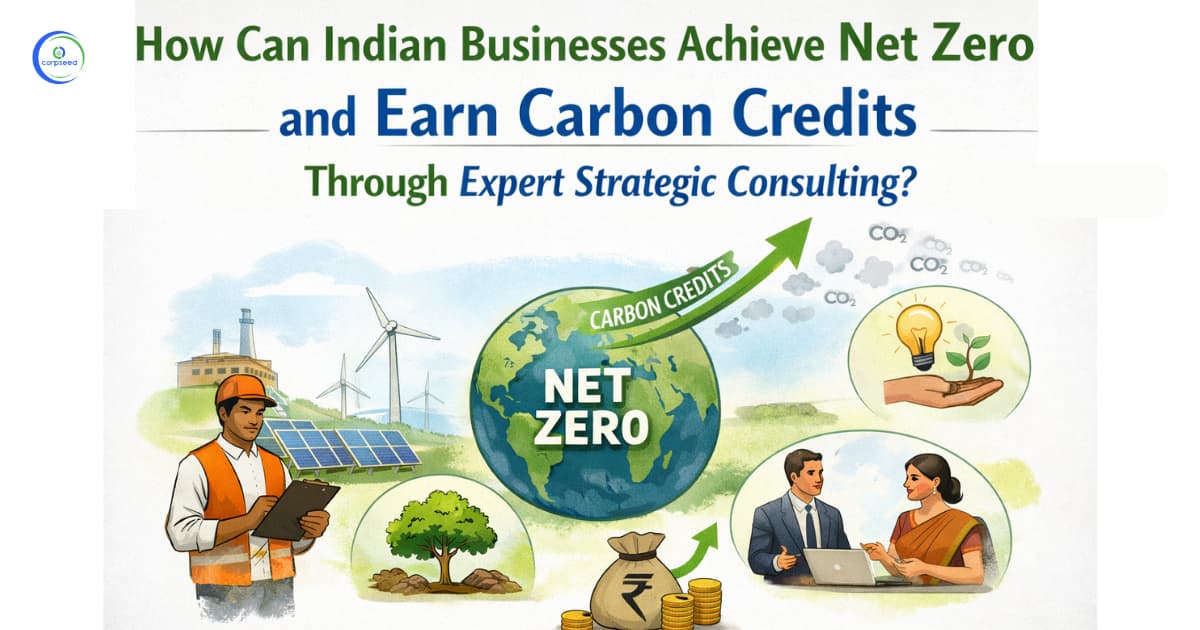
One of the most useful tools for reaching net zero is the use of carbon credits. Carbon credits help companies offset emissions they cannot reduce immediately. As global rules and market pressure grow, carbon credits are becoming a regular part of business planning. Many firms now treat carbon credits as an important step toward climate goals, ESG compliance, and global competitiveness.

--------------Blog Contact Form-------------

What Are Carbon Credits?

Carbon credits are special certificates or permits that show a reduction or removal of one ton of carbon dioxide (CO₂) or other greenhouse gases. These credits come from projects that cut pollution or capture carbon from the air. Each credit equals one metric ton of emissions reduced. Carbon credits usually come from:

  • Clean energy projects like solar, wind, and hydro
  • Forest restoration and tree-planting projects
  • Waste-to-energy plants
  • Methane capture from landfills
  • Improved farming and soil projects
  • Community clean-cooking and energy-efficiency programs

The global carbon credit market is growing fast. Easy access, transparent rules, and better monitoring systems make the market stronger each year.

How Carbon Credits Help in Reducing Climate Change Impacts?

Carbon credits help in the fight against climate change in simple and direct ways. They support activities that remove harmful gases or stop them from entering the air. These activities slow down global warming and protect the planet. Carbon credits encourage real climate action by:

  • Supporting clean energy: More renewable energy reduces coal and oil use.
  • Restoring nature: Forest projects grow more trees and protect old forests. These trees pull carbon from the air naturally and safely.
  • Using better technology: Modern machines and systems trap methane and other harmful gases before they enter the air. This keeps the environment cleaner.
  • Saving necessary resources: Smart and efficient tools use less energy and reduce extra waste. This protects natural resources and lowers pollution.
  • Supporting local communities: Clean-cooking systems and renewable energy projects help families stay healthy, save money, and get better job opportunities.

Carbon credits make climate action possible even in sectors where complete decarbonisation takes time. Heavy industries like cement, steel, chemicals, and aviation cannot remove all emissions instantly. Carbon credits fill this gap and support short-term and long-term climate goals.

Why is Everyone Opting for ESG?

ESG stands for Environmental, Social, and Governance. ESG shows how a company acts toward the planet, people, and ethical practices. Strong ESG compliance builds trust, improves reputation, and opens new opportunities. Because of global awareness and investor expectations, ESG has become a core part of business reporting. Companies across the world choose ESG for the following reasons:

  • Investor pressure: Investors now prefer businesses that take climate risks seriously. Firms with better ESG performance receive more funding and enjoy lower risk ratings.
  • Customer demand: People today look for products from companies that care about the planet. When a business follows strong ESG practices, it builds trust and gains more loyal customers.
  • Government rules: Many nations now ask companies to share clear ESG reports. New climate laws and carbon limits make businesses act in a responsible and clean way.
  • Global Supply Chain Norms: Major buyers and global brands want partners that follow green standards. Firms with strong ESG performance stay in the supply chain and gain long-term stability.

ESG is no longer optional. It plays a direct role in growth, trust, investments, and global acceptance. Carbon credits are becoming a strong part of ESG strategies because they show real climate action.

Also Read: The Role of Carbon Credits in Achieving ESG Goals

Key Benefits of Carbon Credits for Companies

Carbon credits play a major role in helping companies move toward cleaner growth and strong sustainability goals. Many businesses now use carbon credits to balance emissions, improve ESG performance, and stay aligned with global climate standards. These credits also support green projects, protect nature, and strengthen long-term business value. Here are the key benefits of carbon credits for companies:

1. Faster Progress Toward Net Zero

Reaching net zero takes time because some emissions cannot be removed right away. Technology in many sectors is still growing. Carbon credits fill this gap and help companies move toward their climate targets more quickly. This keeps them on track with global climate goals.

2. Lower Climate Risks

Climate change brings risks like a lack of resources, high energy costs, and damage from storms or floods. When companies support clean projects through carbon credits, they reduce these long-term risks and keep daily work safe and stable.

3. Strong ESG Scores

Carbon credits help companies show transparent and honest climate action. Projects that cut emissions create better ESG performance. Good ESG scores build trust among investors, customers, and government agencies.

4. Cost-Effective Climate Movement

Building big renewable plants or advanced low-carbon systems takes a lot of money. Many companies cannot make these changes at once. Carbon credits offer a simple and affordable way to support global climate projects while planning slow and steady improvements for the future.

5. Better Market Reputation

A company that takes real steps to cut pollution earns more trust and respect. Carbon credits demonstrate that the company is taking the planet's protection seriously. This creates a strong and positive image and increases brand value in the market.

6. Compliance With Global Standards

Many international buyers want partners that follow clean and green practices. Using carbon credits shows that a company meets these global expectations. This makes it easier to enter new markets, continue exports, and build long-lasting business relationships.

7. Access To Global Carbon Markets

Carbon credits open doors to new business opportunities. Some companies even earn extra income through carbon trading. As the global carbon market grows, early movers gain substantial long-term advantages.

Conclusion

Carbon credits now play an important role in the world’s efforts to handle climate change. They help companies move closer to net-zero targets, lower climate risks, and build stronger trust in global markets. Carbon credits also support clean energy projects, protect forests, and encourage new ideas that make industries cleaner and safer. As ESG becomes an international standard, companies see carbon credits as a simple, strong, and effective tool for climate action.

The rise of carbon credit markets shows a clear shift toward cleaner growth. Every industry now understands the value of responsible action and long-term sustainability. Carbon credits offer the support needed to move faster, stay compliant, and build a safe future for all.

This portion of the site is for informational purposes only. The content is not legal advice. The statements and opinions are the expression of author, not corpseed, and have not been evaluated by corpseed for accuracy, completeness, or changes in the law.

BOOK A FREE CONSULTATION

Get help from an experienced legal adviser. Schedule your consultation at a time that works for you and it's absolutely FREE.

Author

Mahek Sancheti, BAJMC graduate with a deep passion for writing. As a content writer, video content creator, creative content creator, and scriptwriter, I bring stories to life through words and visuals. I honed my skills by working with a promi...

Learn More >>