
Spices Board Releases Guidelines to Control MOSH/MOAH Contamination in Spices
The Spices Board Registration in India has issued comprehensive guidelines for the spice industry to prevent and mitigate contamination caused by Mineral Oil Saturated Hydrocarbons (MOSH) and Mineral Oil Aromatic Hydrocarbons (MOAH) in spices.
Schedule a Call Back
50+ Spice Board registration assignments since 2018
Clients include Alluring India Foods and Beverages, Aprodite Infotech, Kokora Spices, Zabar Foods and Spices, Absr Import Export, The New Planet Trading Corporation, Khan Kesar Mahal, Naturia (8 of 50+ served since 2018).
See our Spice Board registration service →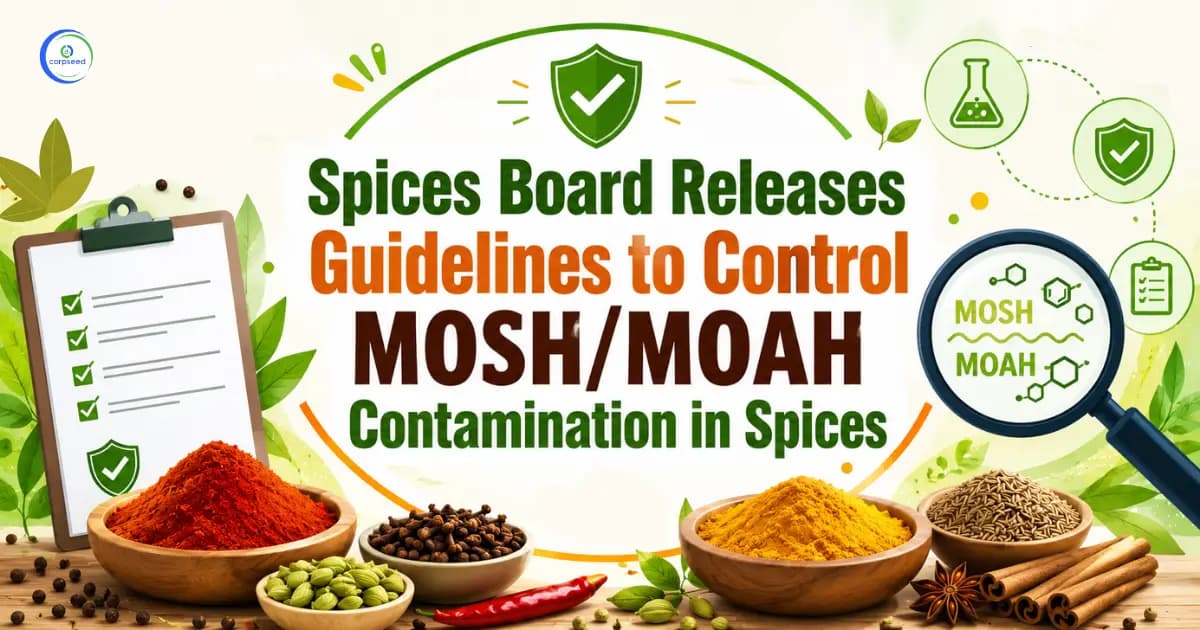
Have you ever considered the potential impact of contamination on spice exports during farming, processing, or packaging? For exporters, even a small amount of contact with mineral oil residues can create major food safety and compliance issues. To promote and ensure safer practices in the spice industry and prepare in line with upcoming international regulatory obligations, the Spices Board Registration of India has also issued recommendations to address these major hazards.
The Spices Board Registration in India has issued comprehensive guidelines for the spice industry to prevent and mitigate contamination caused by Mineral Oil Saturated Hydrocarbons (MOSH) and Mineral Oil Aromatic Hydrocarbons (MOAH) in spices. The move also comes in response to increasing global food safety concerns and upcoming regulatory changes in the European Union.
Why MOSH/MOAH Contamination is a Concern?
MOSH and MOAH are petroleum-derived contaminants that may enter spices during farming, processing, packaging, storage, or transportation. Among them, MOAH compounds are considered particularly hazardous because of their potential carcinogenic and mutagenic properties.
The European Union has also proposed a maximum limit of 10 mg/kg for MOAH in spices under the amended Commission Regulation (EU) 2023/915, which will take effect on 1 January 2027. The development also makes compliance essential for the Indian spice exporters targeting global markets.
Major Sources of Contamination
The guidelines issued by Spices Board India for issuing the Spice Board License explain that MOSH/MOAH contamination can occur at different stages of the spice supply chain. The major contamination sources are:
- Agricultural Practices
Contamination may occur during farming due to the use of mineral oil-based pesticides, fertilizers, and lubricants in agricultural machinery. Polluted irrigation water, industrial runoff, vehicle emissions, and leakage from the tractors or harvesting equipment can also introduce mineral oil residues into the spices.
- Post-Harvest Handling and Processing
Spices may get contaminated when dried on polluted surfaces such as roadsides or bitumen-coated areas. Leakage of lubricants from the processing machines, use of non-food-grade oils, and exposure to mineral oil-containing cosmetic or skin products by workers are also significant contamination risks.
- Storage and Transportation
Improper storage and packaging practices may also increase the risk of contamination. MOSH or MOAH contamination in spices is mainly due to the use of recycled cardboard and paper packaging, mineral-oil-based inks, treated jute bags, and exposure to car exhaust or oil spills during transportation.
Preventive Measures Recommended
To reduce any contamination risks, stakeholders, including farmers, processors, packers, exporters, and laboratories, are advised to adopt the preventive practices such as:
- Using approved agrochemicals free from mineral oil residues.
- Maintaining leak-proof machinery and hygienic processing areas
- Using only food-grade lubricants
- Avoiding recycled packaging materials
- Conducting regular testing of raw materials and finished products
- Implementing GMP and HACCP systems.
- Establishing the traceability and documentation mechanisms
Conclusion
The release of these guidelines by the Spices Board of India for successfully obtaining the spice board registration marks an important step toward strengthening food safety standards and enhancing the global credibility of Indian spices.
The spice business must implement preventive and quality-control procedures throughout the entire supply chain due to increasingly stringent international laws, particularly the impending European Union limits on MOAH contamination. Every stakeholder is extremely essential to reducing contamination risks across the cultivation, processing, packing, and transportation. Indian spice companies can also enhance their export preparedness, safeguard consumer health, and preserve India's leadership in the international spice trade by implementing appropriate production methods, using food-grade ingredients, and ensuring regular monitoring and traceability.
About the Author

Anshika Jindal
Content WriterAnshika Jindal, a Legal Content Writer with strong expertise in legal research and a solid academic background in BA LLB and LLM (Criminal Law). I specialize in researching statutes, case laws, and legal developments and presenting them in clear, accurate, and engaging written content. With strong analytical skills and attention to detail, I create reliable, well-structured legal content while maintaining professional and ethical standards.
I specialize in conducting in-depth legal research using credible sources and presenting legal information in a structured, reader-friendly manner while maintaining precision and authenticity. My work focuses on simplifying legal language without compromising its meaning, making legal content accessible to a wider audience.
Related articles
FSSAI State License Renewal in India 2026: Process, Fees & New Rules
2026-11-12
FSSAI Central License Renewal in 2026: Rules, Fees, Documents & Process
2026-11-12

FSSAI Draft Packaging Rules 2026: New Standards for Recycled Plastic in Food Packaging
2026-11-04

Selling Food Online? FSSAI Rules for Amazon, Flipkart, Swiggy, Zomato & Marketplace Sellers (2026)
2026-10-15
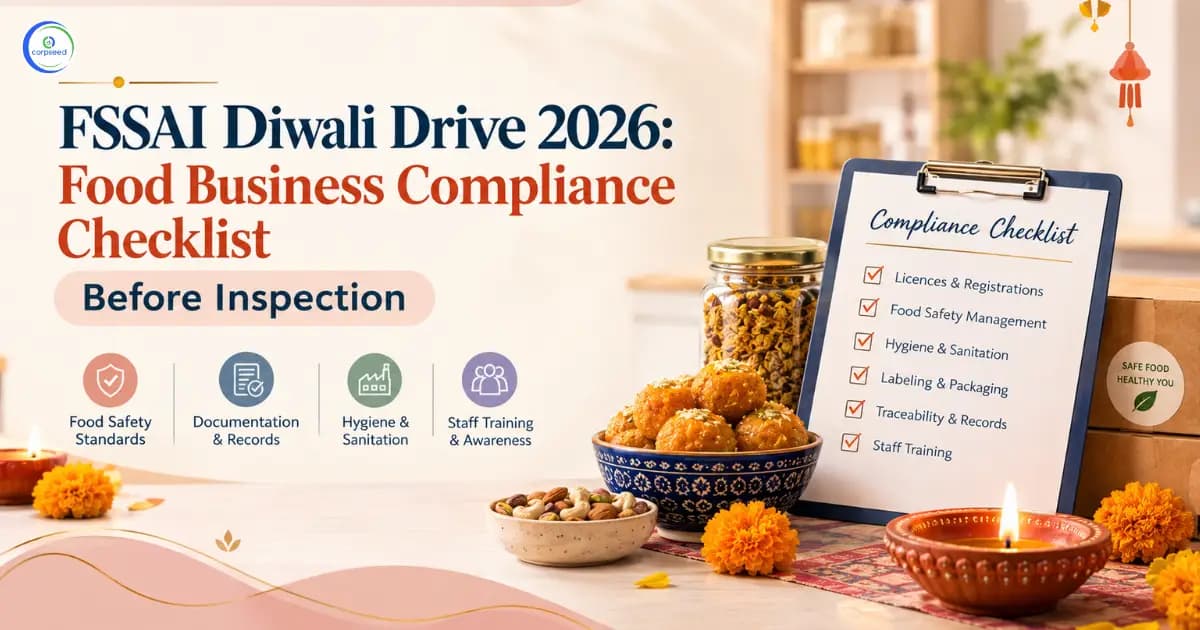
FSSAI Diwali Drive 2026: Food Safety Inspection Checklist for Food Businesses
2026-10-14
FSSAI Licence vs Registration for Sweet Shops, Bakeries & Home Bakers
2026-10-13