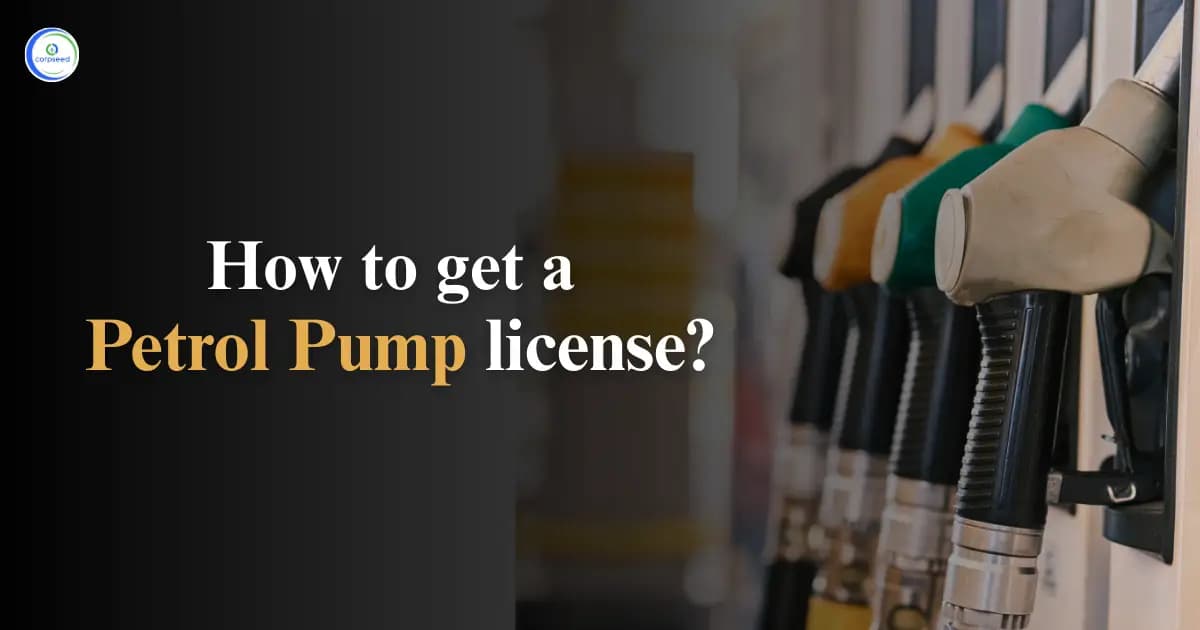
Owning a petrol pump is not only about selling petrol or diesel every day. It is about running a business that never really shuts down. Whether it is summer, monsoon, festive season, or an economic slowdown, vehicles still need fuel. Because of this, petrol pumps continue to operate steadily when many other businesses struggle to stay consistent. With the number of vehicles increasing every year, fuel demand remains constant and reliable.
Table of Contents
Knowing how petrol pump licensing works helps you plan better, avoid mistakes, and start the business with clarity and confidence.
Understanding Petrol Pump Licensing
A petrol pump license is the official permission to sell petrol and diesel to the public. In India, this permission is granted only through government-approved oil marketing companies, such as IOCL, BPCL, and HPCL. There is no other route.
Fuel storage and sale come under strict regulation because of safety risks, environmental impact, and public interest. That is why the licensing system exists. It ensures that only applicants who meet land norms, financial capability, and compliance requirements are allowed to operate.
Licensing also protects end customers. It ensures proper storage systems, safety measures, correct fuel dispensing, and regular quality checks. Selling fuel without approval is treated as a serious violation and can lead to sealing of the outlet, penalties, and permanent cancellation.
The process generally starts when Oil Marketing Companies release public dealership advertisements. Applications are invited for specific locations. After that, the eligibility checks, verification, and approval stages follow. Once selected, the dealer signs a dealership agreement. This agreement is important because it clearly defines supply terms, margins, responsibilities, and operational rules. Everything runs as per this agreement.
Benefits of Obtaining a Petrol Pump License
A petrol pump license gives access to a dependable, high-demand business backed by trusted fuel brands. It offers stability, long-term growth, and multiple income opportunities while building strong credibility in the local market.
- Assured Daily Demand: Fuel is an everyday necessity for personal vehicles, transporters, and businesses. This constant requirement ensures steady footfall, regular sales, and reliable daily income regardless of market conditions.
- Strong Brand Trust and Support: Operating under a recognized Oil Marketing Company builds instant customer trust. License holders receive branding, technical assistance, staff training, and continuous supply support from the parent company.
- Long-Term Business Security: Petrol pumps are infrastructure-based businesses that rarely become obsolete. With proper management, the outlet can generate income for decades and even be passed on as a family asset.
- Multiple Revenue Opportunities: Beyond fuel sales, owners can earn through lubricants, air filling, convenience stores, vehicle services, advertising space, and tie-ups, significantly increasing overall profitability.
- Scalable Growth Potential: Once established, operators can upgrade facilities, add premium fuels, introduce EV charging stations, or apply for additional outlets, allowing the business to grow steadily over time.
- Community Recognition and Stability: Petrol pump owners often become respected local business figures. The outlet serves as an essential service point, helping build long-term relationships, reputation, and influence within the community.
--------------Blog Contact Form-------------
Choosing the Right Oil Marketing Company (OMC)
Selecting the right OMC is a crucial decision that impacts profitability, operations, and long-term satisfaction. Each OMC follows government guidelines but differs slightly in support systems, commission structures, and operational flexibility. Understanding these differences helps in making an informed choice.
Some OMCs offer stronger rural penetration, while others focus more on highways or urban locations. Supply efficiency, dealer training, and technology integration also vary. It is important to evaluate which company aligns best with your land location, investment capacity, and plans. A well-matched OMC partnership can make daily operations smoother and growth more achievable.
Eligibility Requirements and Land Criteria
Before applying, it is important to ensure you meet the basic eligibility standards set by OMCs. These requirements help maintain fairness and operational reliability.
- Applicant must be an Indian citizen with a valid identity proof
- Minimum educational qualification is generally 10th pass
- Applicant should meet the minimum age and maximum age limits
- Financial capability to invest and sustain initial operations
- Clean legal and financial background with no major defaults
Land Criteria
The land is the foundation of a petrol pump business. Its location and ownership status play a major role in approval.
- Land should be owned or leased for long-term usage
- Location must be accessible and visible from the main road
- Adequate frontage and depth as per OMC guidelines
- Land should be free from disputes and legal complications
- Compliance with local zoning and safety regulations
How to Get a Petrol Pump License: Step-by-Step Process
To obtain a petrol pump license is a well-structured procedure that seeks to grant fairness, security, and appropriateness. All steps taken with deliberation make the process easy, clear, and attainable to serious applicants.
Step 1: Reaction to OMC Dealership Advertisement: OMC Dealership advertisements (Indian Oil, BPCL, and HPCL) are dealership advertisements published in a particular location. It is required that applications be made online and within the stipulated period, within the requirements of the eligibility and land requirements stated.
Step 2: Application Review and Selection Process: Applications received are filtered through the eligibility criteria, which include financial capacity, land suitability, age, education, and category norms. In case of multiple applicants, the selection process will be conducted by a draw of lots or an interviewing process.
Step 3: Field Verification of Credentials (FVC): field verification of shortlisted applicants. Physical inspection of land, financial document checks, verification of ownership or lease, and background verification are part of this stage.
Step 4: Letter of Intent and Local Clearances: Once the Oil Marketing Company has successfully verified, it issues a Letter of Intent. The applicant has to subsequently seek necessary local permission such as municipal permissions, Fire Safety NOC, and environmental clearances.
Step 5: PESO License of Fuel storage and dispensing: Before any underground tanks and dispensing units are installed, the Petroleum and Explosives Safety Organisation (PESO) needs to be approved. PESO reviews site layouts, safety distances, equipment requirements, and adherence to petroleum safety regulations.
Step 6: Dealership Agreement and Commissioning: After all the statutory approvals are made, such as the PESO license, the dealership agreement is signed. Construction has been done, final safety inspection has been done,e and the petrol pump has been commissioned to work commercially.
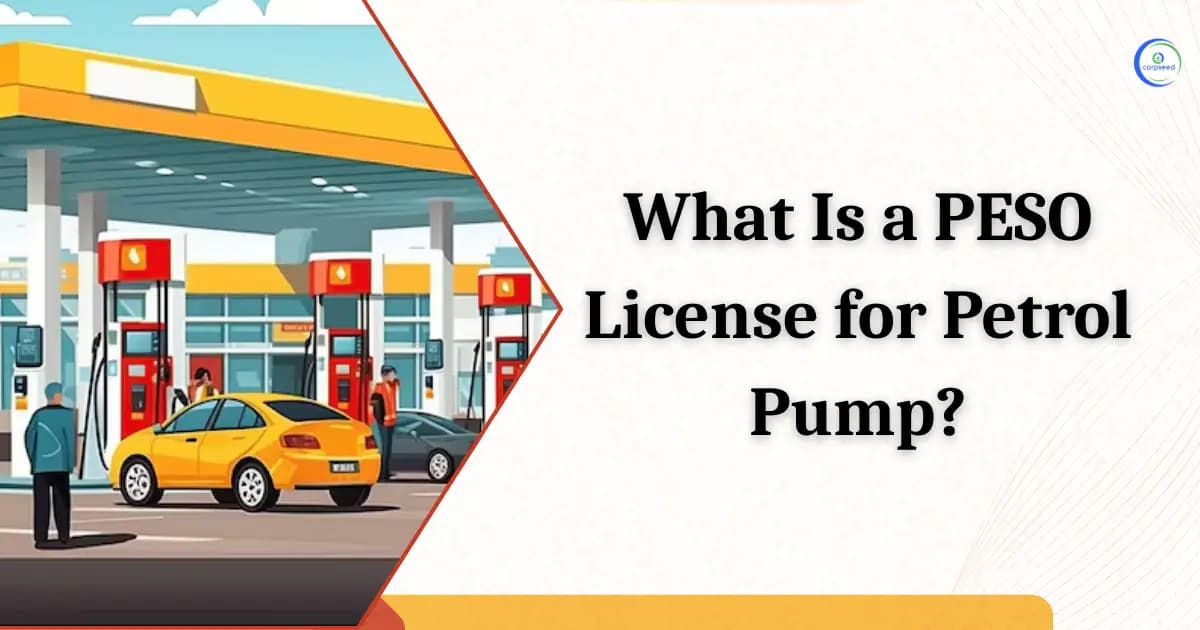
Also Read: What is a PESO License for Petrol Pump?
What are the Documents required to get a petrol license in India?
Applicants must submit verified documents during the application and field verification stages. Any mismatch or false information can lead to rejection.
- Proof of identity and address
- Educational qualification certificates
- Land ownership or registered lease documents
- Bank statements and financial capability proof
- Affidavit and self-declaration forms
- Caste certificate (if applying under the reserved category)
Conclusion
Getting a petrol pump license is not just about starting a business, it is about stepping into a long-term, dependable opportunity. Fuel will always be needed, and that steady demand brings confidence and stability that many businesses lack. When done through the right process, with the right oil company and proper planning, a petrol pump can grow into a respected and profitable venture. It also offers room to expand, add new services, and build a strong local presence over time. For anyone looking to invest in a business that combines security, daily income, and long-term value, a petrol pump license is a practical and rewarding choice.
FAQ`s
The total cost depends on location and size, but the investment usually includes land, construction, security deposit, and setup expenses.
Profit per litre is fixed by oil companies and varies slightly by region, generally offering steady but volume-based margins.
You need suitable land, meet eligibility criteria, apply through an oil company advertisement, and complete verification and approval stages.
Permission is obtained through oil marketing companies, along with clearances from local authorities, safety departments, and regulatory bodies.
This portion of the site is for informational purposes only. The content is not legal advice. The statements and opinions are the expression of author, not corpseed, and have not been evaluated by corpseed for accuracy, completeness, or changes in the law.
BOOK A FREE CONSULTATION
Get help from an experienced legal adviser. Schedule your consultation at a time that works for you and it's absolutely FREE.