
How is an FSSAI License Beneficial for Your Food Business?
In India, the food industry is regulated by FSSAI to ensure that food products are safe and of good quality.
Schedule a Call Back
500+ FSSAI licence assignments since 2018
Clients include Bidada Foods, Silvertip Foods, Good Food Innovations, Minimal Food, Alluring India Foods and Beverages, Auroras TEA Company, Ania Consumer Products, Ginger Foods Company, Magnalis Foods, ND Spices, Antara Assisted Care Services, Aggriveda Pharmaceutical (12 of 350+ served since 2018).
A few more clients we've served in this industryHide the list
- Food and consumer goods
- Bidada Foods · Silvertip Foods · Good Food Innovations · Minimal Food · Alluring India Foods and Beverages · Auroras TEA Company · Ania Consumer Products · Ginger Foods Company · Magnalis Foods · ND Spices
- Pharma and healthcare
- Antara Assisted Care Services · Aggriveda Pharmaceutical
- Logistics and trade
- Solankili Logistics Management · 23North Logistics Solutions
- Non-profits and education
- All India Hindu Mahajot Foundation · Manovikas Charitable Society
- More clients
- Cure and Care Wellness · Seven Turns · Akshamaala Solutions · Krisba Healthcare · Matha Exports International · Indo Gulf Company · Crescent Biologicals · Cura Consumer Health · Biolush · Cura Consumer · Ethics Prosperity · Rocking Deals · Subohi Agriparks · Aurous International Merchants · Anagh Traders · Shin Traders · Zexcorp Services · Aprodite Infotech · Grandmaz Organics · Instruments and Chemicals · Aaravbabbar Enterprises · DUA OLD Age Caring Institution · Goenka Scrapco · Prime Health
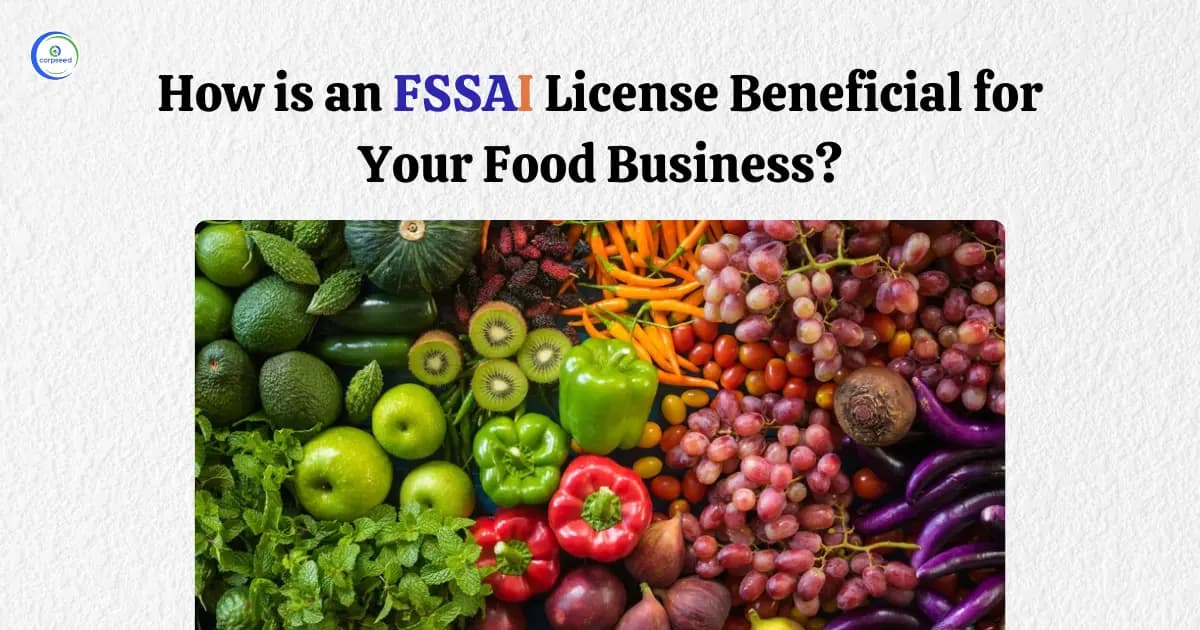
In India, the food industry is regulated by FSSAI to ensure that food products are safe and of good quality. The Food Safety and Standards Authority of India (FSSAI) is a key player in this structure, setting standards and issuing licenses to food businesses. An FSSAI license is not just a legal requirement it provides many benefits that can greatly improve the success of your food business.
What is an FSSAI License?
The Food Safety and Standards Authority of India (FSSAI) is a statutory body in the Ministry of Health and Family Welfare. This license was established by the Food Safety and Standards Act of 2006, which requires any organization involved in the food business: be a manufacturer, processor, distributor, or retailer must have this license. The FSSAI license ensures food businesses follow the safety and quality standards to prevent harm to public health. It covers a range of licenses, from small-scale basic registration to state licenses for medium enterprises, and central licenses for large-scale operations. An FSSAI license not only ensures that these food businesses are staying within the boundary of the law it also upholds the most stringent standards required for food security.
Schedule a Call Back
Types of FSSAI License
The Food Safety and Standards Authority of India, or FSSAI, has three main categories of licenses that it gives to a food business, classified according to the operational scale:
- FSSAI Basic Registration: FSSAI basic registration is for small food business undertakings of an annual turnover of less than ₹12 lakh. It is suitable for petty food manufacturers, street vendors, and small cafes. The basic registration is pretty easy to get and involves minimal documents compared to other licenses.
- FSSAI State License: FSSAI state license is meant for medium-sized food businesses that have an annual turnover between ₹12 lakh and ₹20 crore. This license applies to businesses within one state. The license applies to restaurants, food distributors, and transporters, among others. State license involves a more elaborate application process and specific safety standards.
- FSSAI Central License: FSSAI central license is provided to big-scale food industries whose turnover crosses ₹20 crores. The central government issues the central license, which is needed when the business involves more than one state or in the case of importing and exporting products. The central license has stern compliance with the FSSAI regulations, which is required to ensure larger-scale food safety.
Also Read: How to Get an FSSAI License?
How is an FSSAI License Beneficial for Your Food Business?
Getting the FSSAI license is considered a necessary step for a food business because it serves as a base upon which food safety standards and rules are based. In addition to the legal, this certification has more benefits that help give your food venture a higher possibility of success and credibility.
- Legal Compliance: Obtaining an FSSAI license will ensure that your business operates under the legal framework as established by Indian law. It protects you from potential legal issues, fines, or penalties in case you are operating without proper certification. This makes your business legitimate in the eyes of the regulatory authorities.
- Consumer Trust Building: The consumer has increased consciousness toward the issue of food safety, so in this age, the FSSAI license serves as a symbol of authenticity. The consumer gets convinced that their product has undergone rigid checks regarding the aspect of safety.
- Business Expansion Opportunities: An FSSAI license can dramatically expand your business opportunities. Most organizations insist on their suppliers' valid certifications before signing a contract. This condition may result in new contracts and increased sales opportunities, especially when you intend to supply to big institutions like hospitals or schools.
- Increased Brand Reputation: A quality FSSAI license enhances the reputation of a brand by highlighting your commitment to quality and safety. This improves perception because, in the consumers' minds, quality is associated with a safe process. This enables the business to easily attract consumers who give importance to safe food practices.
- Resources: FSSAI provides a lot of resources and guidelines on best practices in handling, storage, and preparation of food. Upon getting a license, you will be able to access all this information that will help you continually improve your operational processes.
- Risk Mitigation: Compliance with FSSAI regulations prevents the risks relating to food safety issues. Regulatory checks and continuous compliance with proper safety measures deter health hazards involving your products not only for customers but also concerning your business entity.
- Simplification of Import/Export Procedures: Having an FSSAI license makes customs clearance easy for businesses that import or export food products. It proves that your products are safe and of quality, which means easier trade relations with foreign markets.
- Marketing Advantage: An FSSAI license is another marketing tool you can use. The display of the FSSAI logo on any packaging or material used in your promotions will mean safety standards to most consumers, therefore attracting more of them into choosing your product ahead of those others who don't have the licensing.
Also Read: Why do FSSAI Licenses Matter for Every Food Business?
Conclusion
In conclusion, gaining an FSSAI license serves as a highly important step for any type of food-based business operating within India. By doing so, this not only ensure legal fulfillment but also encourages consumer trust while building brand integrity. By the observance and implementation of norms set by FSSAI within the realm of safety and standards, businesses largely reduce the overall risk of associated foodborne-related illnesses and others. In addition, an FSSAI license presents new market opportunities, and businesses can extend their reach to offer services to institutional clients. Ultimately, this certification acts as a testimonial to a business's dedication to food safety, which then builds customer loyalty and long-term success in an otherwise competitive industry. For the food entrepreneur with growth and sustainability in mind, obtaining an FSSAI license is not only beneficial-it's necessary.
About the Author

Parul Bohral
Legal Content WriterParul Bohral, a BALLB graduate and experienced legal researcher and content writer with expertise in various legal areas, including corporate law and intellectual property. I have gained valuable experience in esteemed legal environments, where I have strengthened my research skills, allowing me to approach legal writing with precision and depth.
As a legal content writer, I am committed to delivering work that not only informs but also engages readers. By staying informed about the latest trends in content marketing and regulatory developments, I ensure that my writing remains sophisticated and meets industry standards. My dedication to thorough research enables me to craft content that is both insightful and impactful.
Related articles

Selling Food Online? FSSAI Rules for Amazon, Flipkart, Swiggy, Zomato & Marketplace Sellers (2026)
2026-10-15
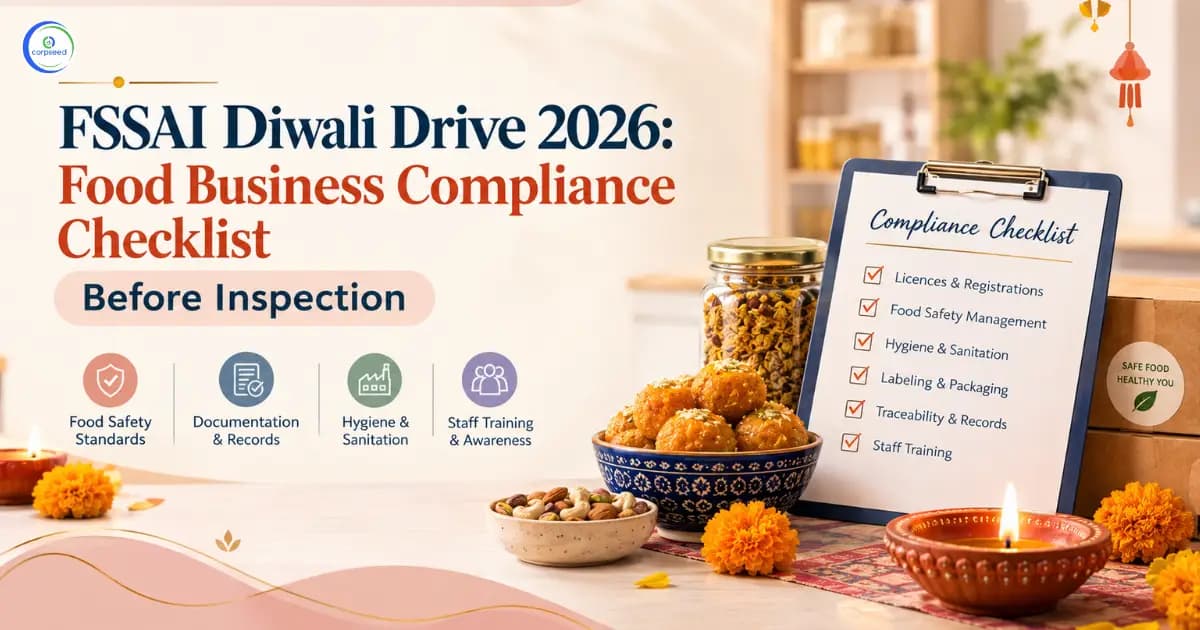
FSSAI Diwali Drive 2026: Food Safety Inspection Checklist for Food Businesses
2026-10-14
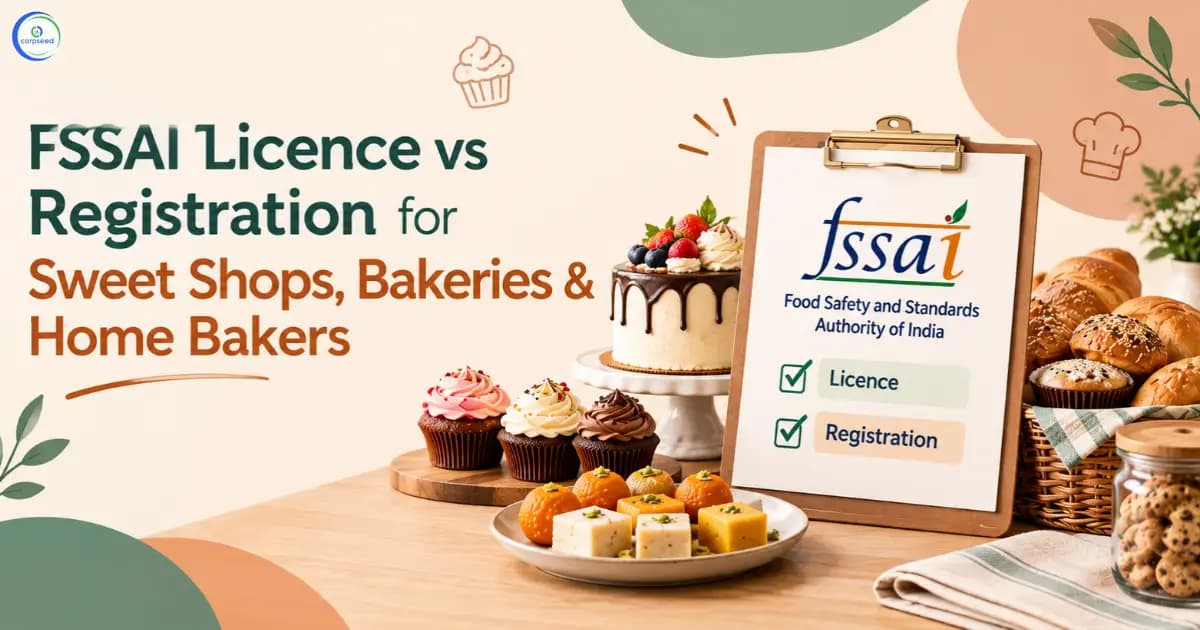
FSSAI Licence vs Registration for Sweet Shops, Bakeries & Home Bakers
2026-10-13
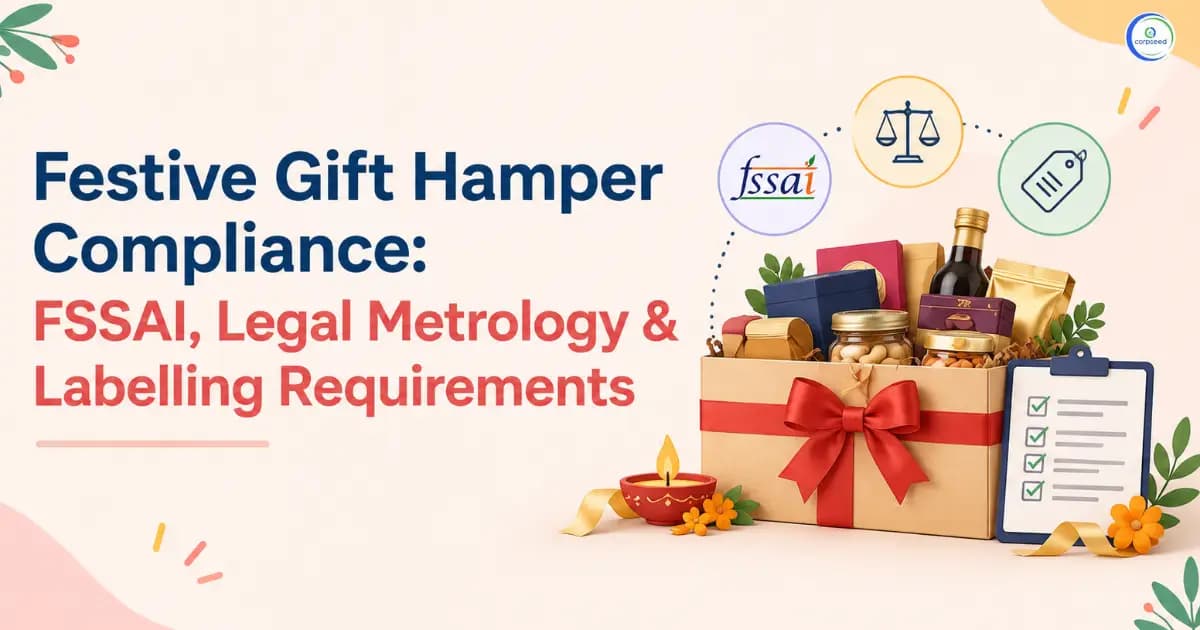
Festive Gift Hamper Compliance: FSSAI, Legal Metrology & Labelling Requirements
2026-10-09
Spice Export Testing in India: FSSAI, Spice Board & EU Compliance Guide 2026
2026-09-09
Edible Oil Testing in India: FSSAI, IS: 547 & Mandatory Compliance Guide 2026
2026-09-04