
New FSSAI Rules for Milk Producers and Milk Vendors in 2026
On March 11, 2026, the Food Safety and Standards Authority of India (FSSAI) released significant advice instructing milk producers and vendors to obtain the required registration or license prior to engaging in any food-related activity.
Schedule a Call Back
500+ FSSAI licence assignments since 2018
Clients include Bidada Foods, Silvertip Foods, Good Food Innovations, Minimal Food, Alluring India Foods and Beverages, Auroras TEA Company, Ania Consumer Products, Ginger Foods Company, Magnalis Foods, ND Spices, Antara Assisted Care Services, Aggriveda Pharmaceutical (12 of 350+ served since 2018).
A few more clients we've served in this industryHide the list
- Food and consumer goods
- Bidada Foods · Silvertip Foods · Good Food Innovations · Minimal Food · Alluring India Foods and Beverages · Auroras TEA Company · Ania Consumer Products · Ginger Foods Company · Magnalis Foods · ND Spices
- Pharma and healthcare
- Antara Assisted Care Services · Aggriveda Pharmaceutical
- Logistics and trade
- Solankili Logistics Management · 23North Logistics Solutions
- Non-profits and education
- All India Hindu Mahajot Foundation · Manovikas Charitable Society
- More clients
- Cure and Care Wellness · Seven Turns · Akshamaala Solutions · Krisba Healthcare · Matha Exports International · Indo Gulf Company · Crescent Biologicals · Cura Consumer Health · Biolush · Cura Consumer · Ethics Prosperity · Rocking Deals · Subohi Agriparks · Aurous International Merchants · Anagh Traders · Shin Traders · Zexcorp Services · Aprodite Infotech · Grandmaz Organics · Instruments and Chemicals · Aaravbabbar Enterprises · DUA OLD Age Caring Institution · Goenka Scrapco · Prime Health
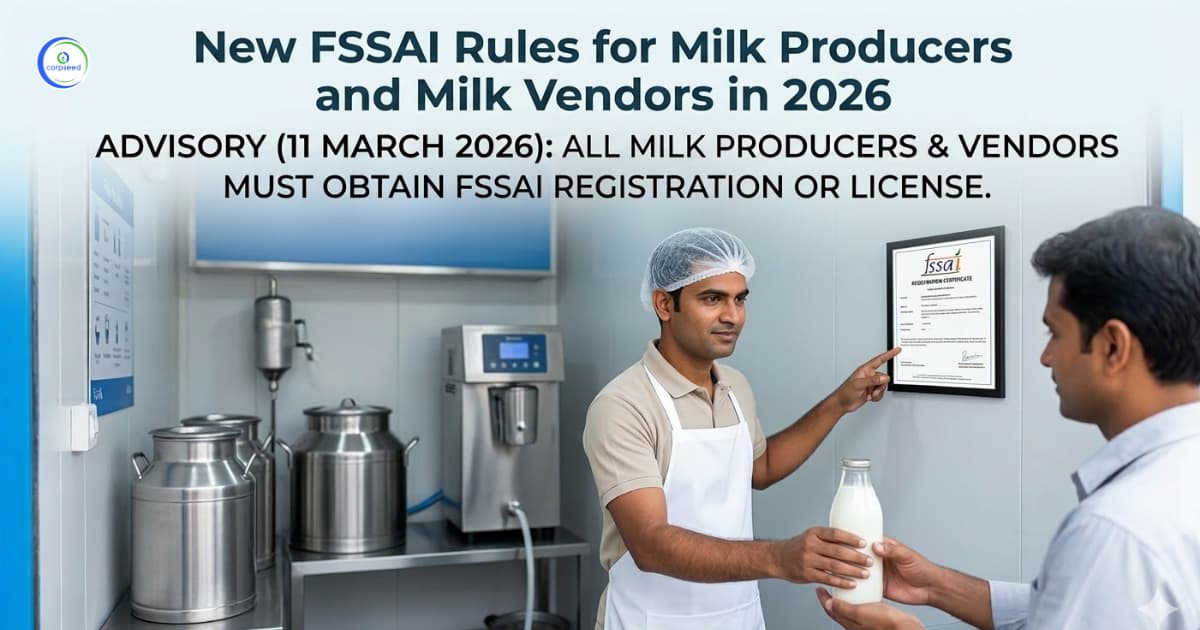
Milk is one of the most commonly consumed food items in India, and ensuring its safety is a big deal for both consumers and regulators. On March 11, 2026, the Food Safety and Standards Authority of India (FSSAI) released significant advice instructing milk producers and vendors to obtain the required registration or license prior to engaging in any food-related activity. Authorities issued the advice after discovering that several milk producers and dealers nationwide were operating without the required licenses or registration, which is against food safety laws.
In India, milk is a daily necessity that is widely consumed, and preserving its quality and safety is vital for public health. By issuing this advisory, FSSAI aims to strengthen regulatory compliance in the dairy sector and ensure that all milk-related businesses operate within the legal framework established under the Food Safety and Standards Act, 2006.
Schedule a Call Back
Why the Advisory Was Issued?
Authorities discovered that a number of milk producers and vendors were operating without the mandatory FSSAI registration or license, which prompted the issuing of the advice. Unregulated operations like this raise the possibility of adulterated milk and dangerous food practices.
Recent incidents of suspected milk adulteration across various states and union territories have further highlighted the need for stricter monitoring and compliance with the food safety laws. To protect public health and ensure accountability, FSSAI has instructed regulatory bodies to enforce licensing rules more strictly.
Who Must Obtain FSSAI Registration or a license?
According to the advisory, the following entities must mandatorily obtain FSSAI license:
- Milk Producers: Milk producers must register with FSSAI if they are not members of a dairy cooperative society and sell milk directly in the market.
- Milk Vendors: Individuals or businesses involved in selling milk to consumers, retailers, or other businesses must also obtain FSSAI registration or licensing before starting or continuing their operations.
- Exemption for Dairy Cooperative Members: Milk producers who are registered members of a dairy cooperative society and supply their entire milk production to that society are generally exempt from this requirement, as the cooperative manages regulatory compliance.
Importance of FSSAI Compliance for Milk Businesses
Obtaining FSSAI registration or licensing is not just a legal requirement but also an essential step toward maintaining consumer trust in the country.
Benefits of compliance include:
- Ensuring food safety and quality standards.
- Building credibility among the consumers.
- Avoiding legal penalties and enforcement actions.
- Strengthening traceability in the dairy supply chain.
- Milk producers and vendors may help create a safer and more transparent dairy ecosystem in the nation by following the FSSAI's regulations.
Responsibilities of Enforcement Authorities
To ensure effective implementation of this advisory, FSSAI has instructed enforcement authorities across the country to verify the compliance status of milk producers and vendors.
Authorities responsible for enforcement include:
- Food Safety Officers
- Central Licensing Authorities
- Designated Officers in States and Union Territories
These authorities will check whether the milk producers and vendors possess a valid FSSAI Registration Certificate or License while conducting the food business operations. Businesses found operating without proper authorization may face regulatory action under the laws related to food safety.
Inspection of Milk Storage and Chilling Facilities
Apart from registration requirements, the advisory also stresses the importance of proper milk storage and handling practices. Authorities have been advised to conduct periodic inspections of milk storage equipment and storage facilities that are used by milk producers and vendors.
Key inspection focus areas include:
- Maintaining the proper storage temperature for milk
- Ensuring the functionality and hygiene of milk chillers
- Preventing milk spoilage and contamination
- Ensuring safe transportation and storage conditions
Proper temperature control is essential because milk is highly perishable and can quickly become unsafe if stored improperly.
Special Registration Drives by States and UTs
To increase compliance, FSSAI has directed States and Union Territories to conduct special registration drives within their jurisdictions. These kinds of initiatives aim to bring unregistered milk producers and vendors under the formal regulatory system.
The objectives of these drives include:
- Identifying unregistered milk producers and vendors
- Encouraging them to apply for FSSAI registration or licenses
- Creating awareness about food safety regulations
- Strengthening the monitoring of dairy businesses
Such drives will help ensure that all milk-related businesses comply with food safety regulations and operate transparently in the market.
Regular Enforcement for Milk and Milk Products
The advisory also refers to earlier directions, which were issued by FSSAI in December 2025, which mandated regular enforcement drives related to milk and milk products. These drives are designed to strengthen inspection and monitoring mechanisms in the dairy sector.
Under these enforcement measures:
- Authorities must conduct regular inspections of milk businesses.
- Special enforcement campaigns will be carried out periodically.
- Action Taken Reports (ATRs) must be submitted to FSSAI.
- Reports must be submitted twice a month, on the 15th and 30th/31st.
This system ensures continuous monitoring and helps authorities detect violations or adulteration in milk supply chains.
Conclusion
In short, if you are a milk producer or vendor selling outside the cooperative system, you can’t just run the business casually anymore, you need proper registration or licensing from FSSAI. This advisory is basically about making sure that milk sold in the market is safe, fresh, and free from adulteration. By getting registered and following the rules of FSSAI, milk businesses can stay on the right side of the law and also build trust with consumers. This step will help ensure compliance with food safety regulations while protecting public health and maintaining quality standards in the dairy sector.
In the end, it is a win-win situation, better compliance for businesses and safer milk for everyone.
About the Author

Anshika Jindal
Content WriterAnshika Jindal, a Legal Content Writer with strong expertise in legal research and a solid academic background in BA LLB and LLM (Criminal Law). I specialize in researching statutes, case laws, and legal developments and presenting them in clear, accurate, and engaging written content. With strong analytical skills and attention to detail, I create reliable, well-structured legal content while maintaining professional and ethical standards.
I specialize in conducting in-depth legal research using credible sources and presenting legal information in a structured, reader-friendly manner while maintaining precision and authenticity. My work focuses on simplifying legal language without compromising its meaning, making legal content accessible to a wider audience.
Related articles
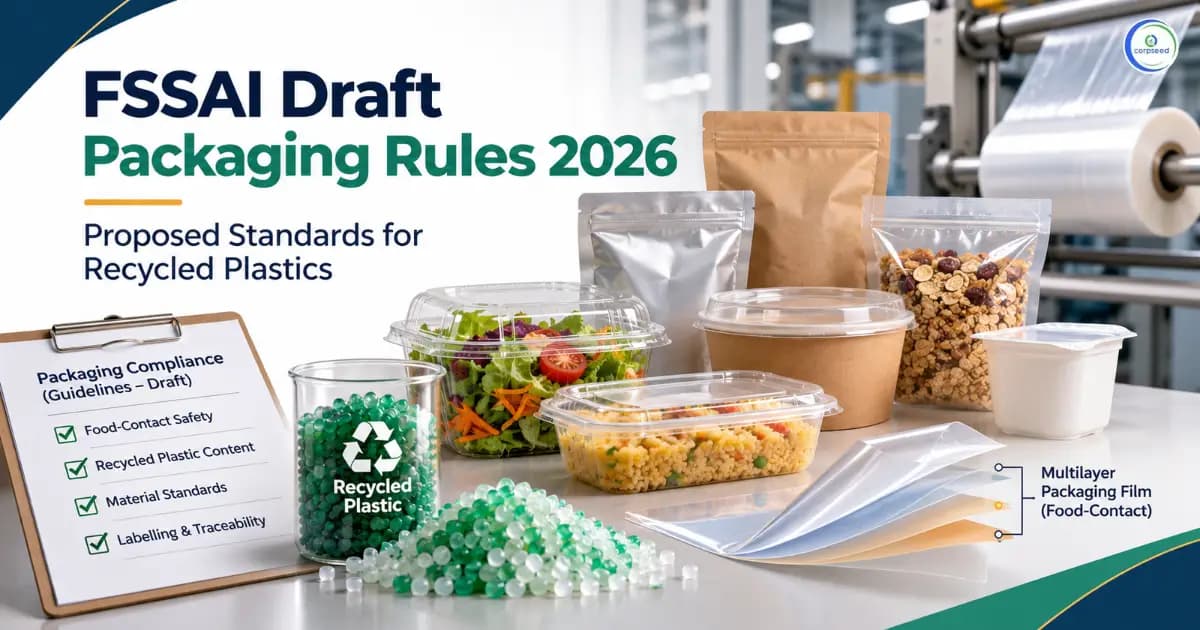
FSSAI Draft Packaging Rules 2026: New Standards for Recycled Plastic in Food Packaging
2026-11-04

Selling Food Online? FSSAI Rules for Amazon, Flipkart, Swiggy, Zomato & Marketplace Sellers (2026)
2026-10-15
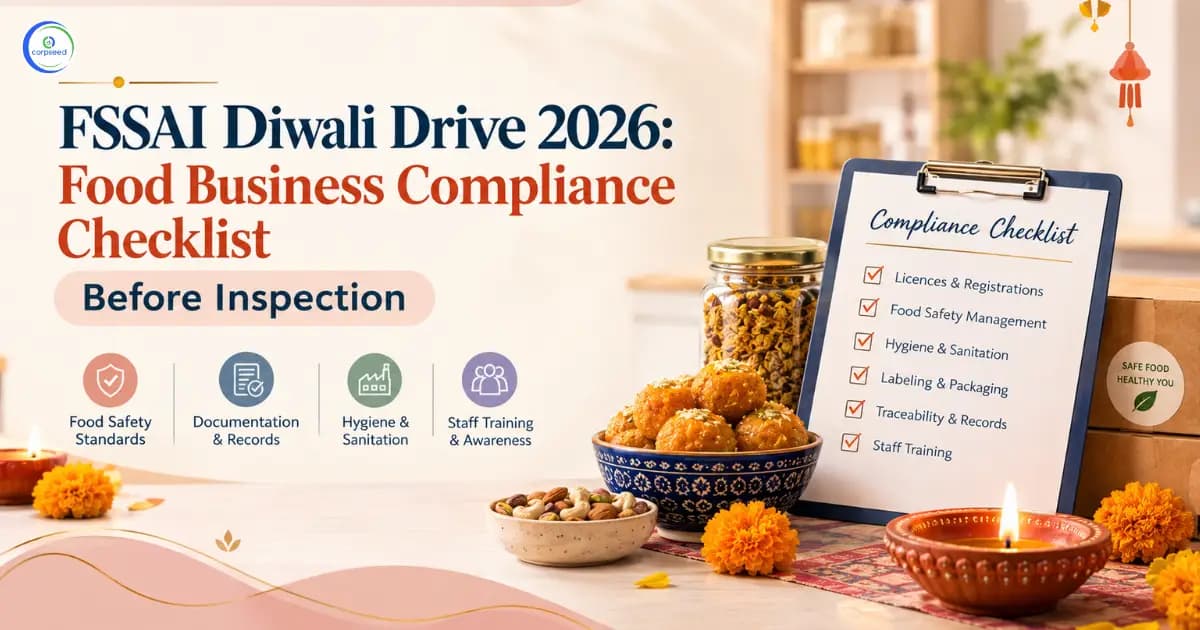
FSSAI Diwali Drive 2026: Food Safety Inspection Checklist for Food Businesses
2026-10-14
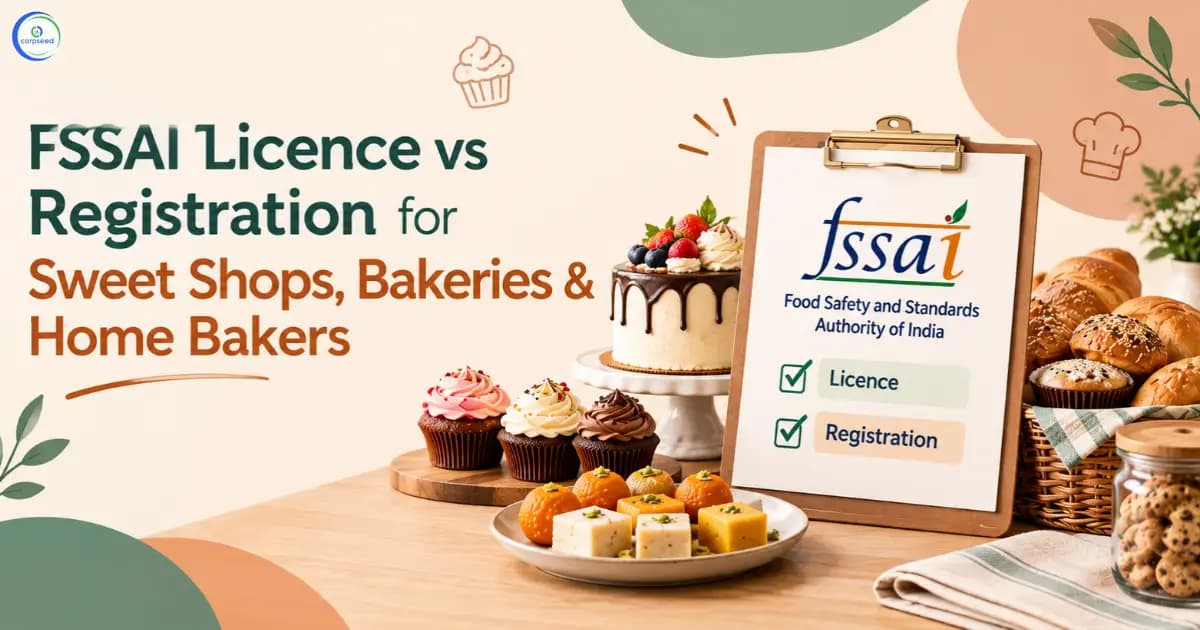
FSSAI Licence vs Registration for Sweet Shops, Bakeries & Home Bakers
2026-10-13
Festive Gift Hamper Compliance: FSSAI, Legal Metrology & Labelling Requirements
2026-10-09
Spice Export Testing in India: FSSAI, Spice Board & EU Compliance Guide 2026
2026-09-09