
What is EPR and How to Apply for EPR Certificate
Extended Producer Responsibility is a practise acquired by the government to ensure waste reduction. Government are taking all necessary steps to safeguard the environment from waste produced by electronic materials and plastic materials.
Schedule a Call Back
8,300+ EPR assignments since 2018
Clients include Emerson Automation Solutions Intelligent Platforms, Intangles Lab, Colt Technology Services India, Deki Electronics, Amzetta Technologies, Shindengen India, Emerson Process Management (India), Lianchuang Electronic India, Beryl Drugs, Q-Line Biotech, Ascent Meditech, Eli Lilly and Company (India) (12 of 2,300+ served since 2018).
A few more clients we've served in this industryHide the list
- Electronics and technology
- Emerson Automation Solutions Intelligent Platforms · Intangles Lab · Colt Technology Services India · Deki Electronics · Amzetta Technologies · Shindengen India · Emerson Process Management (India) · Lianchuang Electronic India
- Pharma and healthcare
- Beryl Drugs · Q-Line Biotech · Ascent Meditech · Eli Lilly and Company (India) · Endolite India · Rajasthan Antibiotics · G D Pharmaceuticals · Micro Labs
- Engineering and manufacturing
- Juki India · Hilti India · Essel Mining & Industries · Bundy India · Hilti Manufacturing India · KJS Cement (I) · Mangalam Cement · Birla Precision Technologies
- Chemicals and materials
- Brenntag Ingredients India · Reliant Packaging Films · Taurus Packaging · Axel Polymers · Lintec India · Kumar Organic Products · DDP Speciality Products India · HP Adhesives
- Food and consumer goods
- Onest · AVT McCormick Ingredients · Akay Natural Ingredients · AVT Natural Products · Ugraya Foods and Feeds · Jalpaiguri Food Industries · Milano Ice Cream · Milano22 Foods
- Logistics and trade
- Siddhartha Logistics · Siddhartha Logistics Ftwz · Honda Trading Corporation India · Zenexpress Logistics · MOL Logistics (India) · Dksh India · Fibs Logistics India
- More clients
- Nilkamal

Introduction: Extended Producer Responsibility
Extended Producer Responsibility is a practice acquired by the government to ensure waste reduction. The government is taking all necessary steps to safeguard the environment from waste produced by electronic materials and plastic materials. EPR can be in regard to both plastic and electronic waste. EPR poses responsibilities on producers in disposing of the waste in a proper manner so that it does not cause damage to the environment. Electronic and plastic waste is a threat to the environment as they are capable of producing pollution in soil, water, and air damaging the environment in different ways and posing a threat to the well-being of humans as well.
Schedule a Call Back
The government of India realized this concern and implemented rules regarding waste management. EPR policies aim that the producers or brand owners i.e. who are making the material causing pollution shall be responsible for cleaning the mess they have created. EPR is the regulations on producers to help in the proper disposal of electronic waste and plastic waste. EPR puts the economic burden of the disposal of waste on the producer. The economic burden of disposal of waste was a concern and EPR is a solution to this problem. EPR has put restrictions on the producer to design products in such a way that they could be easily recycled and discouraged the use of any toxic substance in the product. Rather than regulating the disposal of products, EPR focuses on cradle to grave perspective. The cradle identifies how the product will be produced as Extended Producers Policies have attempted to change the production of products in an environment-friendly manner and to affect the proper disposal of the product.
Electronic and plastic waste are serious problems to the environment, way more serious than the public is aware of and to spread such awareness government has taken various steps. Producers are supposed to create awareness through media, posters, and advertisements and organize awareness programs among the general public, it is one of the responsibilities of the producer to create awareness among the public about the consequences of the waste generated. It is another responsibility or necessity for the producer to create an Extended Producer Responsibility plan mentioning arrangements for the collection of waste electrical and electronic equipment from the electrical and electronic equipment placed earlier on the market, through collection center, producer’s responsibility organization, buy-back arrangements, exchange scheme, deposit-refund system. It can be said that making laws is not the end of the solution, it is the start of a process to conquer the problem. People have to understand the problem and its consequences on their well-being and the environment and must comply with the regulations implemented by the government to combat the problem. EPR have implemented restrictions and rules on the producers of the products and they must obey by these rule. Every producer is mandatory to report to the PRO about the production and its activities in regard to waste management. Producers must take this concern seriously as they can bring about a change in the environment by implementing the solutions provided to them. If they won’t package the products with toxic components and will regulate waste management in an efficient way i.e. by implementing the rules, people would adopt the new environment-friendly packaging which would help in preserving the environment as well. Waste management is a serious issue so the implementation of policies should not be taken lightly in lieu of that government has made it compulsory for the organization to procure an EPR certificate
Procedure to procure EPR certificate
EPR certificate is mandatory for any organization engaged in producing products that would generate electronic and plastic waste. The government has provided a web portal to procure EPR certificate. The producer, brand owner, manufacturer, refurbished, and recycler can visit the web portal of the Central Pollution Control Board (CPCB) and State Pollution Control Board to obtain an EPR certificate. There are some required documents that are required to be submitted along with the application to CPCB and the state pollution control board. Applicants can apply online or can physically submit hard copies of the documents along with the application in Form 1. The government has made it mandatory to procure a license and has made efforts to ease the process of filing applications by providing the option of applying for the certificate online. The applicant is advised to check the documents before filing them. Central Pollution Control Board and state pollution control board will scrutinize the documents before issuing the certificates and information provided and this investigation and verification of the information will be done within 25 days of the application.
The board also reserves the right to refuse any application if not satisfied with the information provided by the applicant. The Indian government has realized the issue of e-waste and plastic waste and has decided to not take it lightly because of the impacts of improper waste management on the environment. The government has issued strict guidelines regarding the EPR certificate and besides implementing the organizations to take it seriously, the Central Pollution Control Board and State Pollution Control Board have been ordered to scrutinize the information, documents, extended producer responsibility plan and working of the organizations to whom the certificate is being issued. The Board after verifying the documents and information provided and being satisfied with the extended producer responsibility plan shall grant the extended producer responsibility certificate/authorization in Form no 1(AA). The Central Pollution Control Board and State Pollution Control Board shall not take more than 120 days to grant the license to the applicant. Organizations applying for authorization of EPR can be a private limited, public limited companies, proprietary, LLP, OPC & Partnership Entities. Documents required for the private limited or public limited company are:
- Proprietor/Authorized Signatory KYC
- GST Certificate
- Rent/Lease/Proof of ownership of the site
- IEC Code
- Excel sheet detail of items imported
For LLP / OPC & Partnership Entity, all the above-mentioned documents are required and in addition to these documents some other documents are required as well:
- Certificate of Incorporation (CIN)
- Company PAN card
- MOA
- Board Declaration of Authorized Signatory
Conclusion
To conclude e-waste and plastic waste management is clearly a serious issue and must be dealt with, as early as possible and efficiently to combat the harmful effects on environment. Implementing of rules isn’t enough and in furtherance of that concern, the government have put strict restrictions and rules on the producers in form of Extended Producer Responsibility. If these rules are complied by the organisation properly and with due diligence, that would bring about a lot of change in the fight against pollution.
About the Author

Shamshad Alam
Head - Digital MarketingExperienced Digital Marketer with a demonstrated history of working in the Internet industry. He likes to write about the latest technology trends, Skilled in Digital Marketing likes. Search Engine Optimization, SMO, SEM, PPC, Content Writing, and, Designing, etc.
Related articles
CPCB SOP 2026 for CTE and CTO Approvals - Timelines, Inspections and Key Directions
2026-10-30
E-Waste EPR for Electronics Brands: Registration, Targets & Annual Compliance
2026-10-26
Battery EPR Registration: Who Needs It Under the Battery Waste Management Rules?
2026-10-26
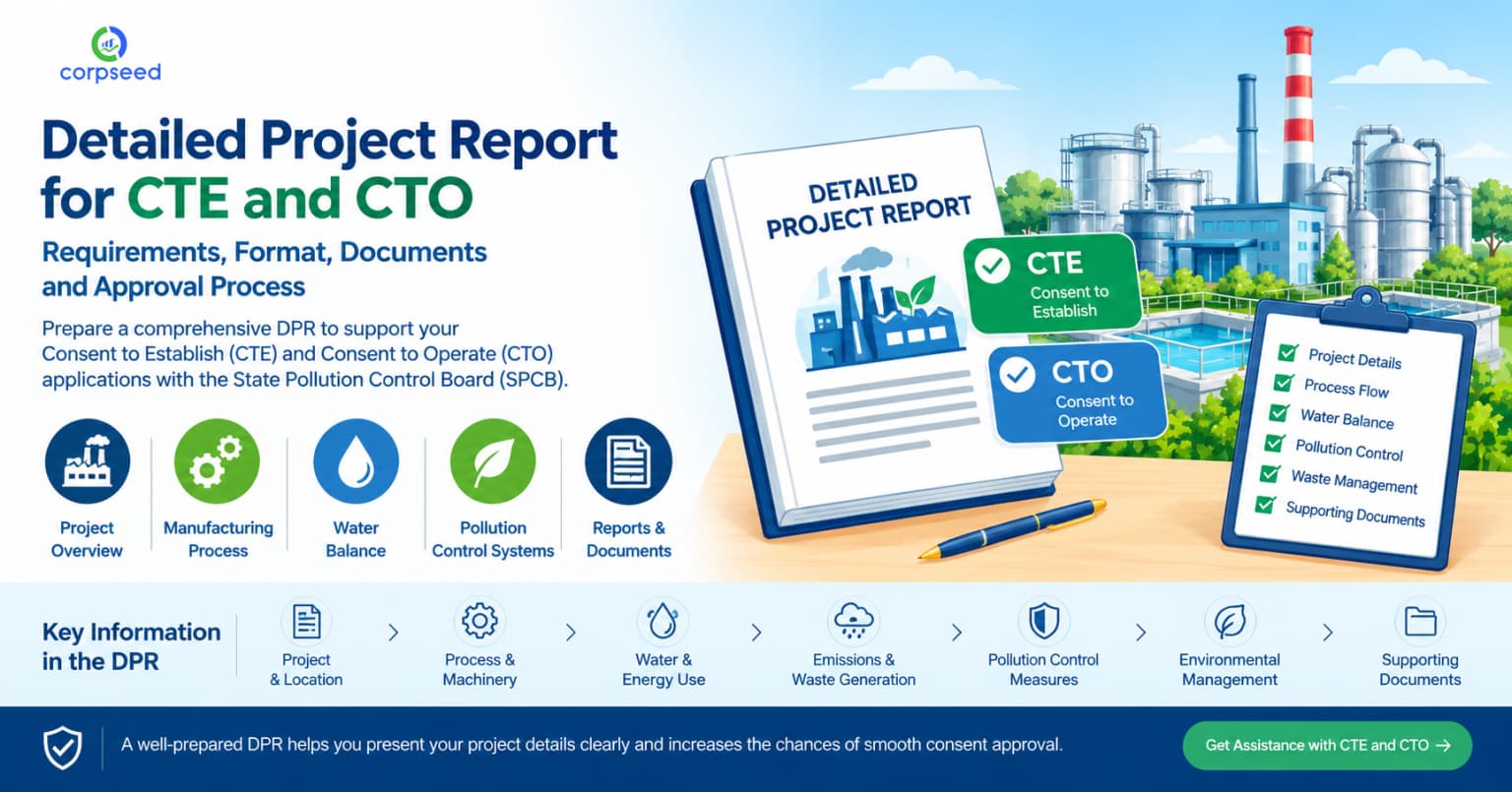
Detailed Project Report for CTE and CTO: Requirements, Format, Documents and Approval Process
2026-10-22
EPR Registration in India: Who Needs It and Which EPR Category Applies to Your Business?
2026-10-21
CPCB Guidelines on Levy of Fees Under the Solid Waste Management Rules, 2026
2026-10-07