
Knowledge Centre
Articles, guides and latest updates — clean UI, fast reading, and category-wise browsing.
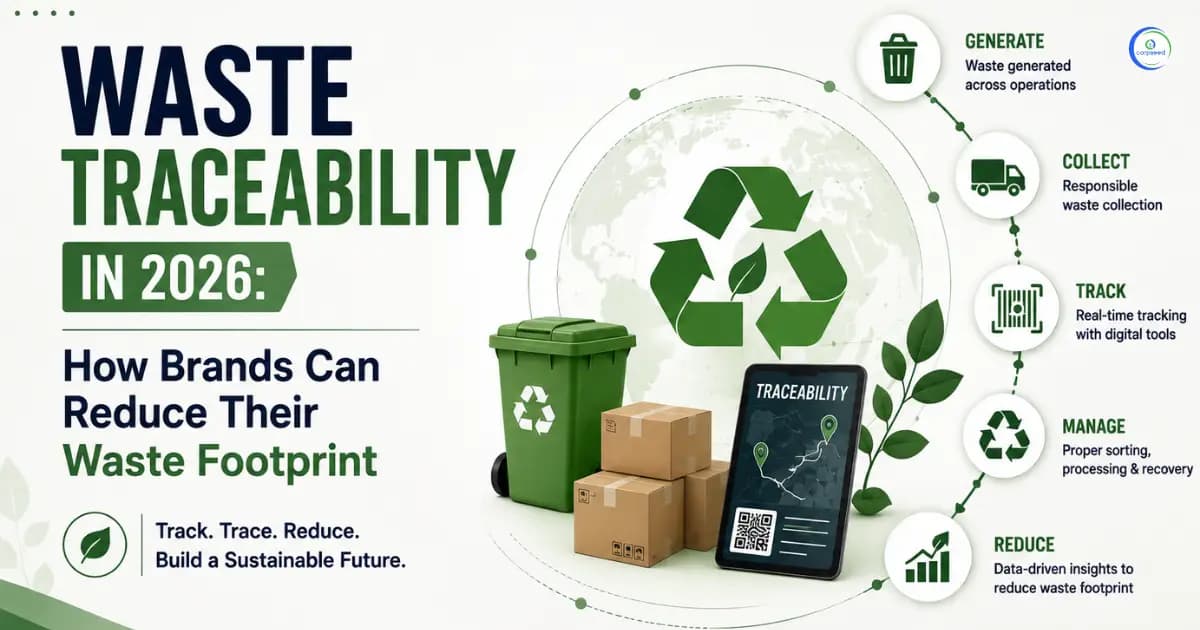
Waste traceability enables brands to track waste from generation and collection to recycling or final disposal. In 2026, better waste data, authorised recyclers, EPR records and digital trac…
For a micro or small enterprise that qualifies as a Producer, EPR registration means placing the business within this regulatory system by submitting its business details, manufacturing info…
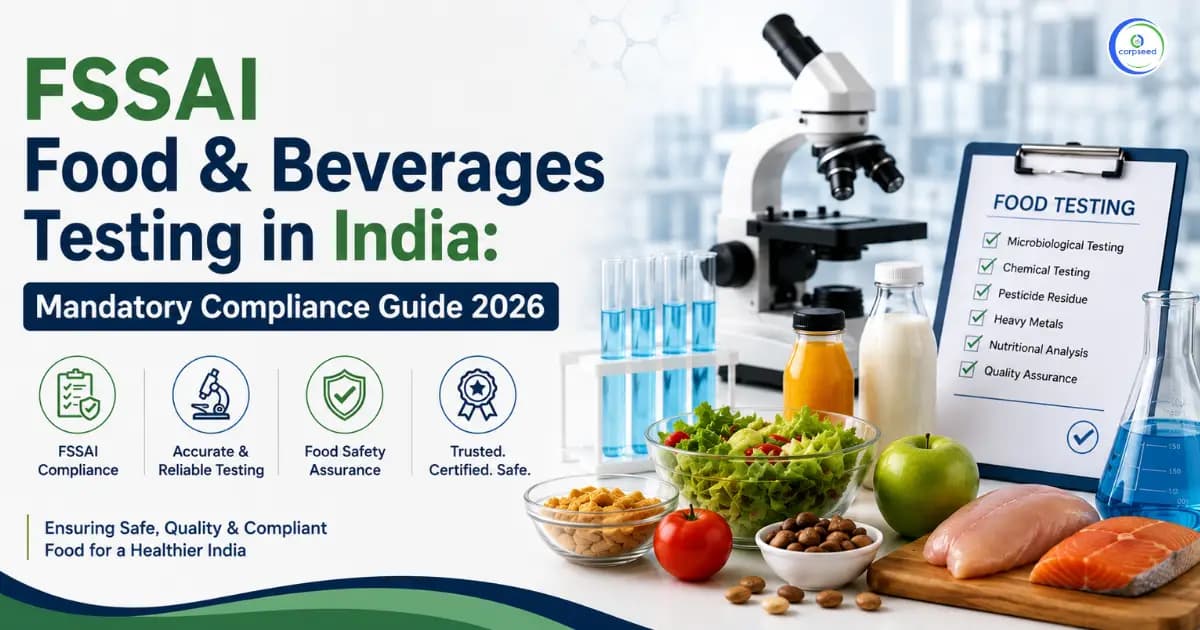
Food testing is a mandatory compliance requirement for many Food Business Operators (FBOs) in India.
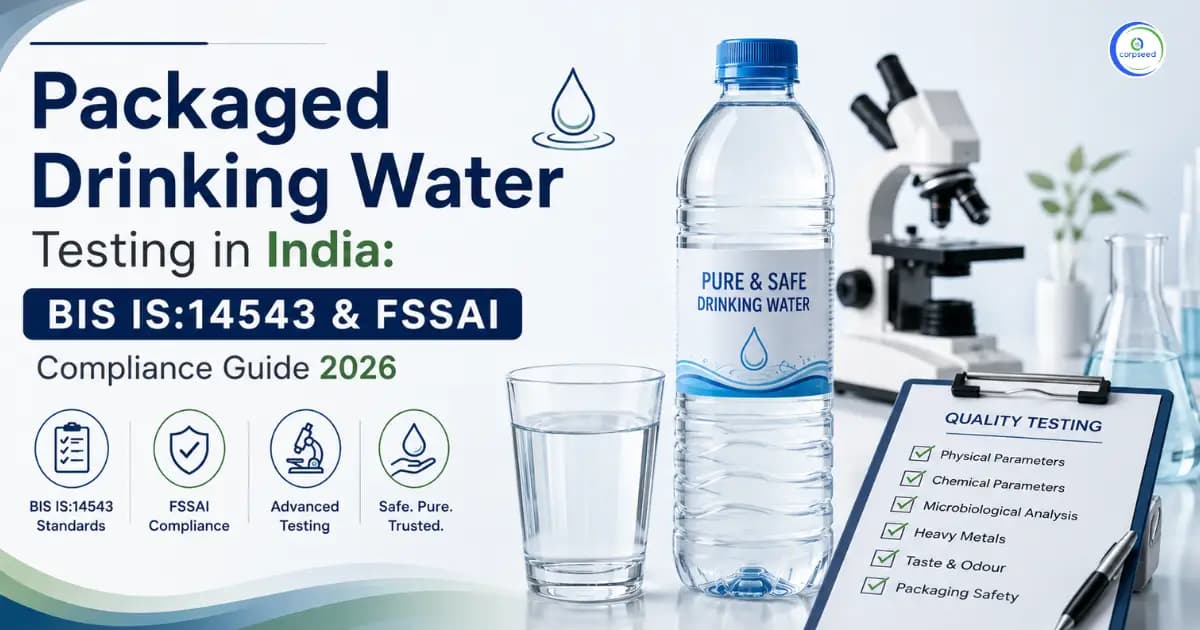
India's packaged drinking water industry valued at over Rs.25,000 crore and growing at 20% annually operates under one of the most stringent mandatory testing regimes in the country.
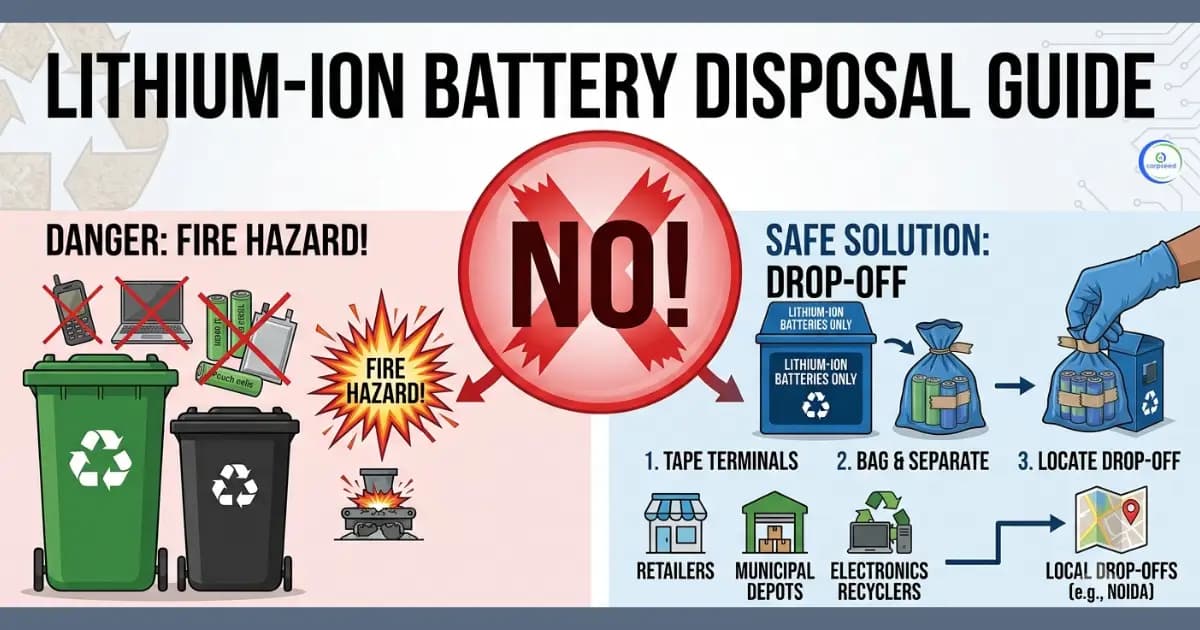
Lithium-ion batteries should not be placed in regular household recycling bins or mixed with general waste. They can cause fires if damaged, crushed or short-circuited during waste collectio…
Explore the best government funding schemes for startups in India in 2026, including Seed Fund, Fund of Funds 2.0, CGSS and sector-specific startup funding.
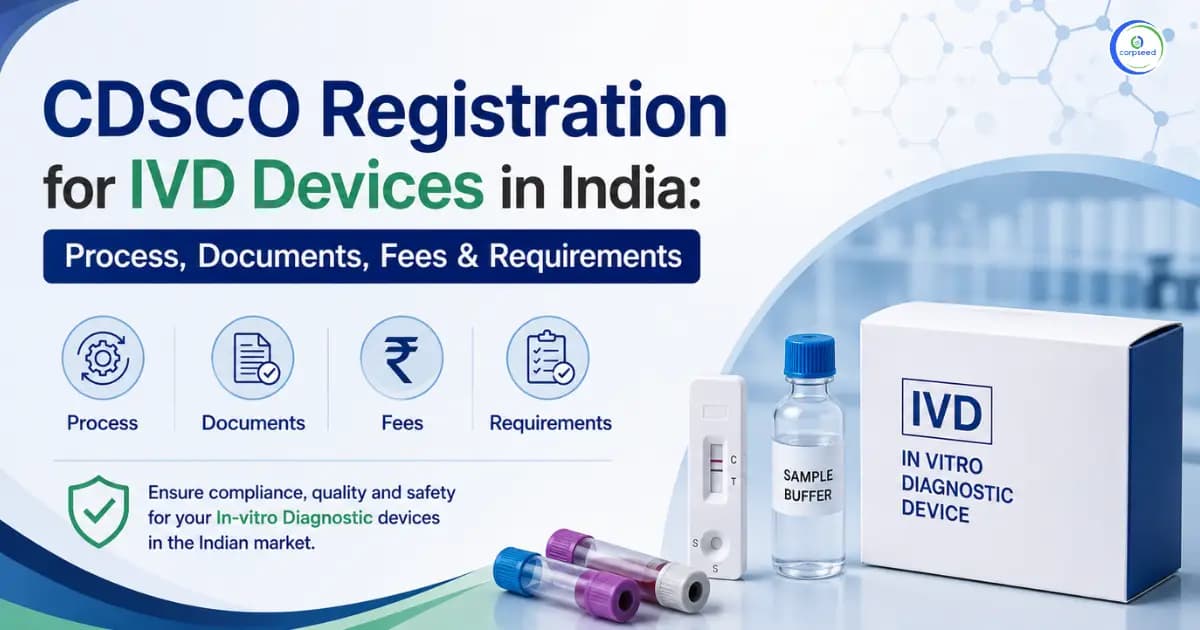
Planning to manufacture or import an in-vitro diagnostic (IVD) device in India? Before placing the product on the market, businesses need to understand the CDSCO requirements that apply to t…
A manufacturing business in India must comply with multiple central and state regulations before and after commencing operations. This comprehensive checklist covers Factory Licence, Polluti…
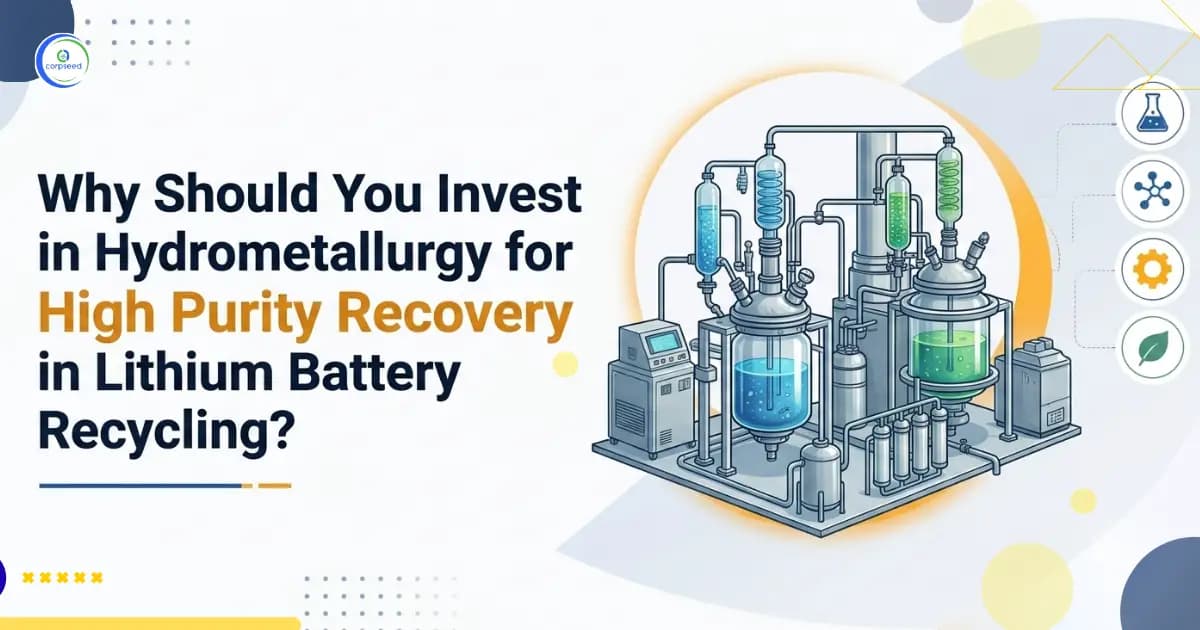
Hydrometallurgy is gaining attention in lithium battery recycling because it can help recover valuable metals with better separation and purity.

If you manufacture or import disposable medical devices in India, CDSCO compliance is one of the first things you need to consider.
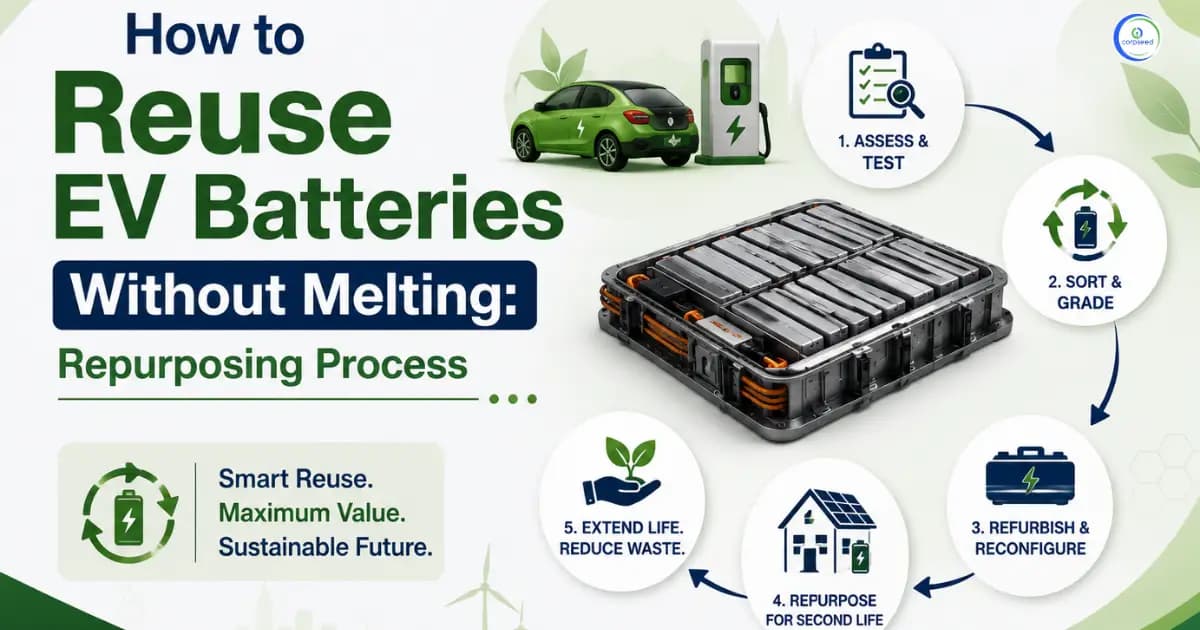
A dead electric vehicle battery does not always need to go directly to a recycling furnace. If the battery still has usable cells or modules but no longer meets the performance requirements …
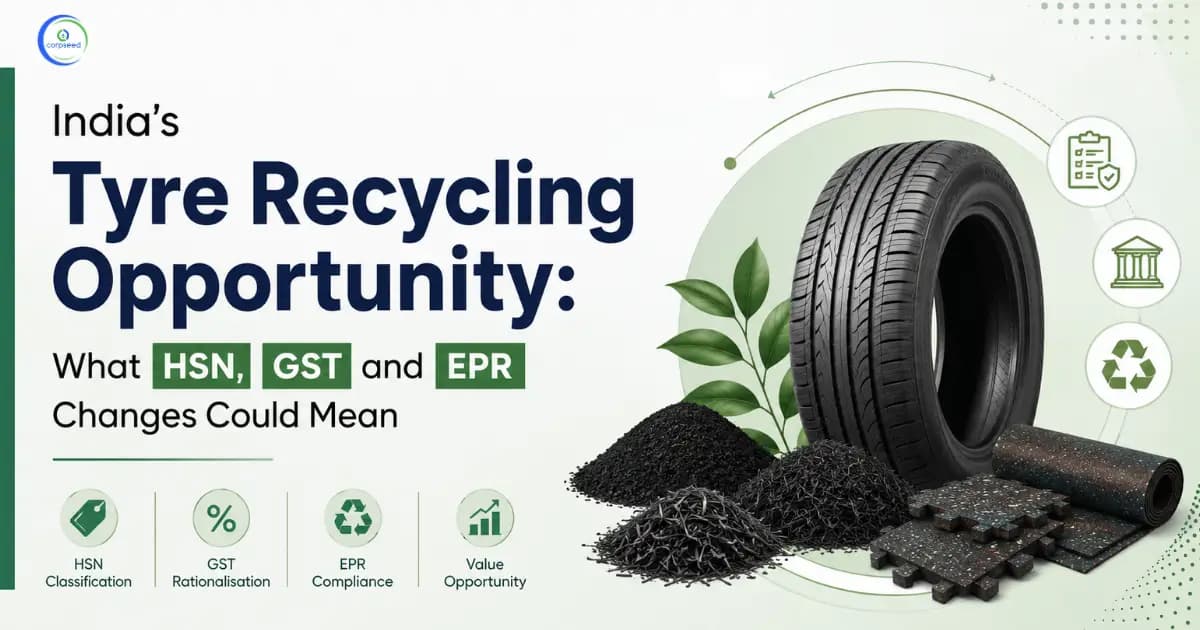
India’s tyre recycling sector is gaining importance as regulatory focus on waste tyre management and Extended Producer Responsibility (EPR) increases. This article examines how HSN classific…
Foreign manufacturers exporting products to India under the Bureau of Indian Standards (BIS) Foreign Manufacturers Certification Scheme (FMCS) can seek renewal of their licence for a longer …
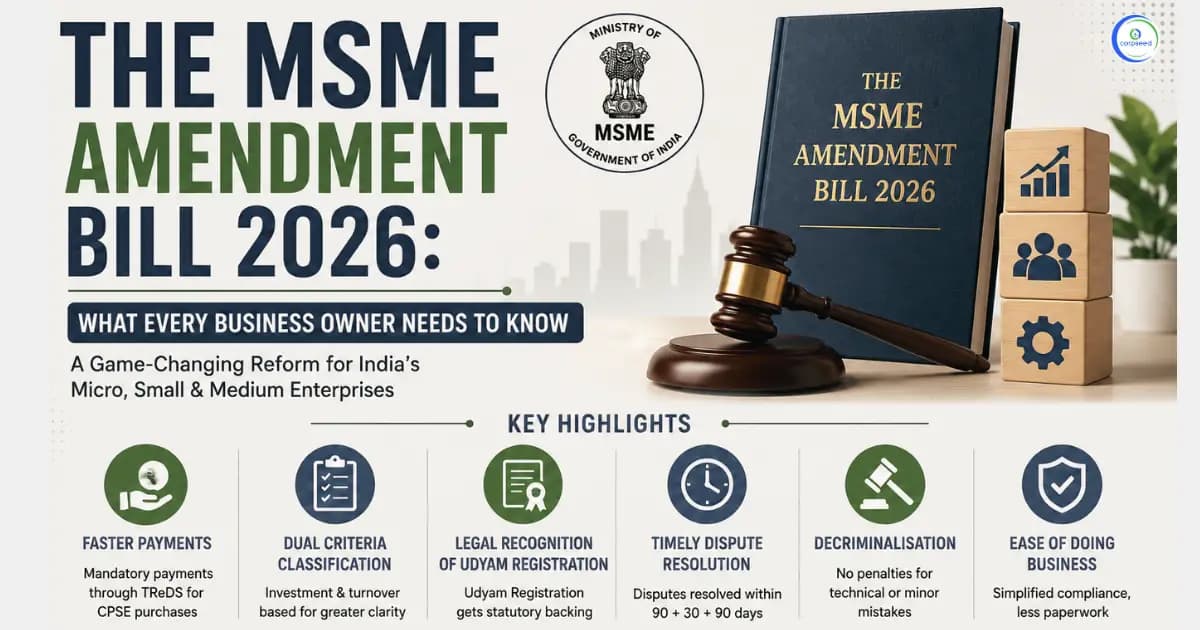
The MSME Amendment Bill 2026 is a proposed amendment to the MSMED Act, 2006. Parliament has passed the Bill, but its legal effect depends on the remaining enactment and commencement steps ap…
Zero Waste to Landfill (ZWTL) is a facility-level approach to keeping discarded materials out of landfills through prevention, reduction, reuse, recycling, composting, and other recognized r…
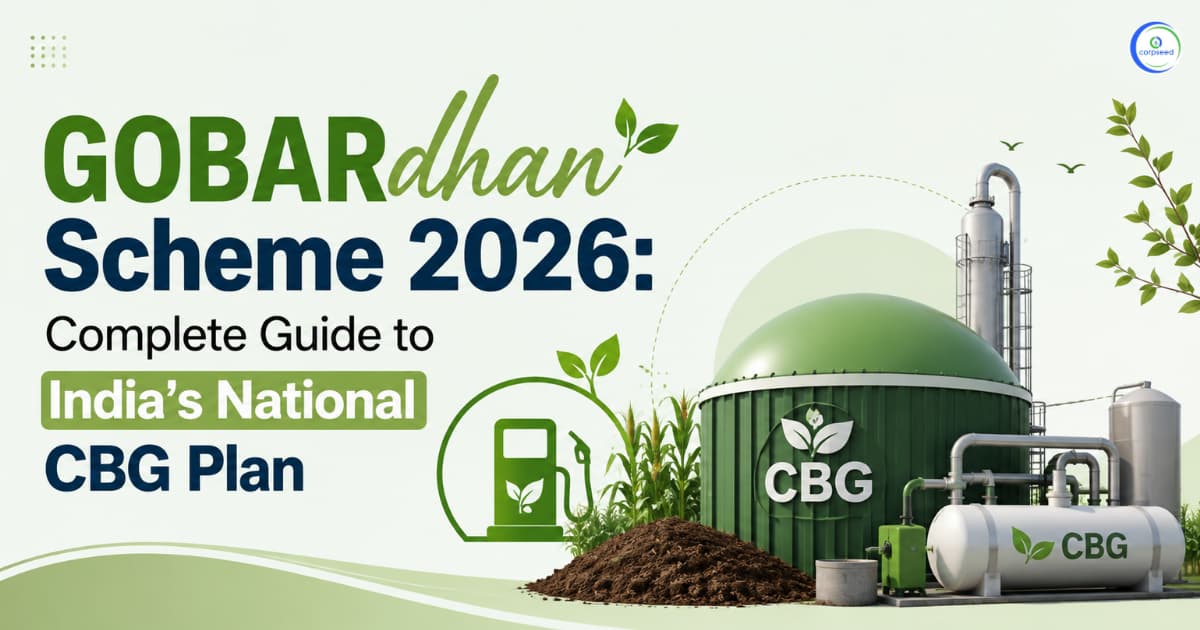
The Union Cabinet has approved the GOBARdhan Scheme 2026, India’s National Circular Bioenergy Scheme, with a total outlay of 23,731 crore rupees. Implemented from FY 2026-27 to FY 2035-36, t…
Many food companies use claims such as "100% organic", "100% pure" and "100% natural" on food labels, packaging and advertisements. These claims attract customers because they make products …
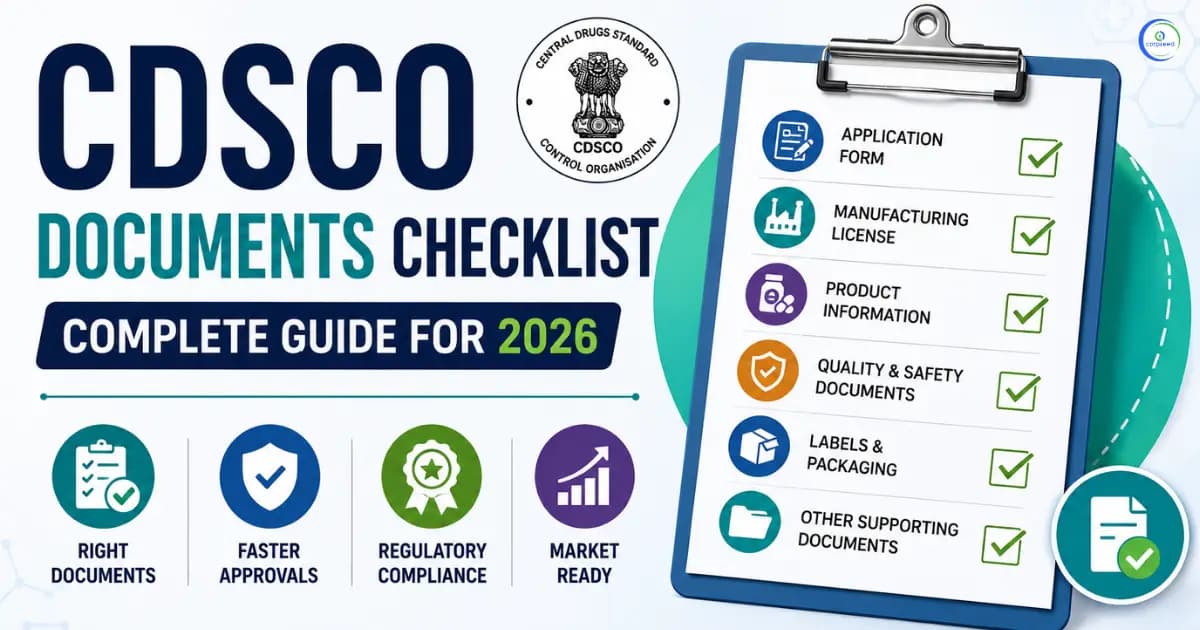
The Central Drugs Standard Control Organization (CDSCO) maintains separate application checklists depending on the regulatory activity and product category. Its official portal provides spec…
India's lithium-ion battery waste management framework is primarily governed by the Battery Waste Management Rules, 2022, which establish an Extended Producer Responsibility (EPR) framework …
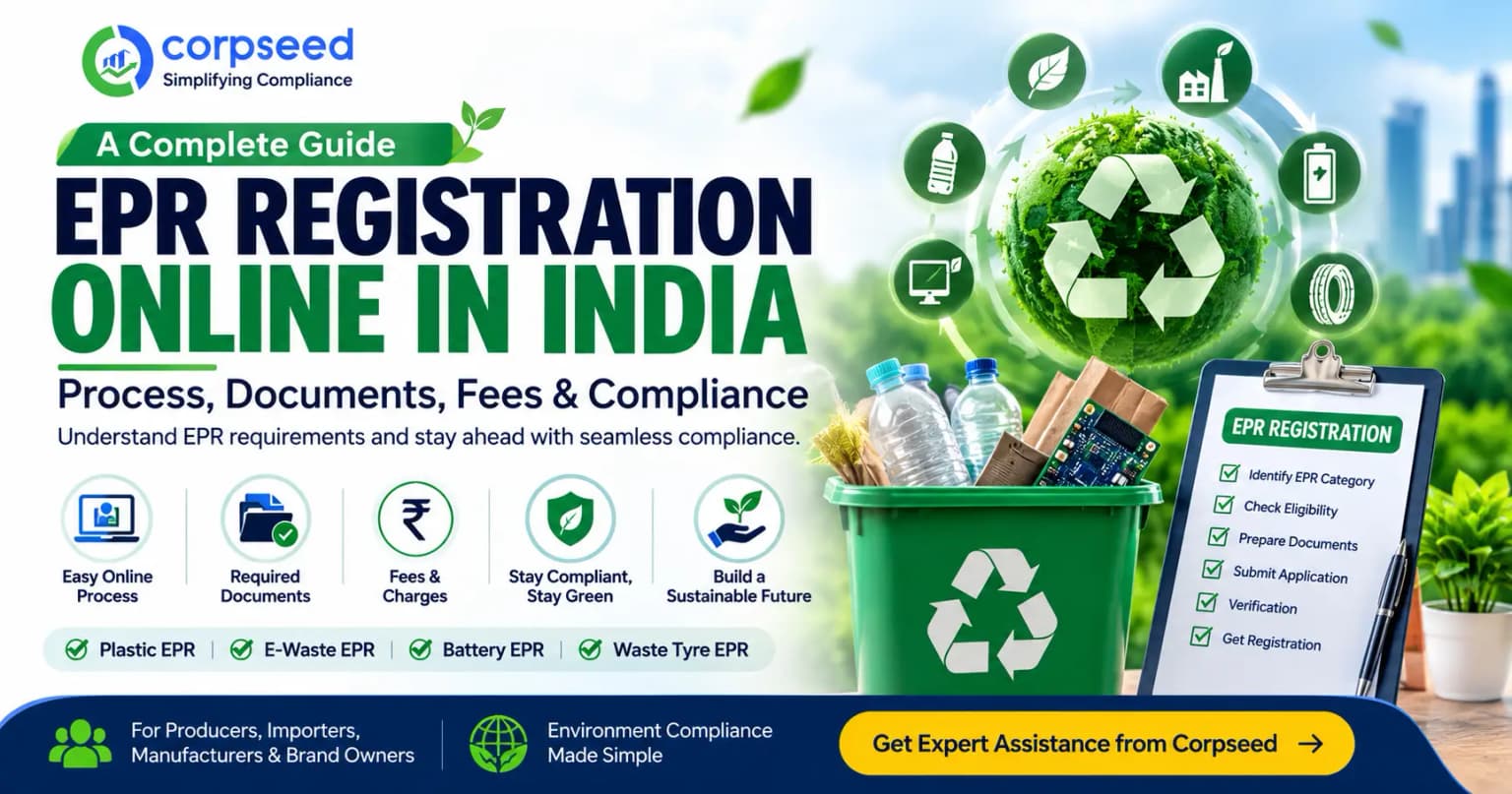
EPR Registration Online in India is an important environmental compliance requirement for eligible producers, manufacturers, importers, and brand owners. This blog explains everything busine…