
ISO 13485 Certification for Medical Devices in India: Complete Process, Cost, Requirements & Benefits
An ISO 13485 Certificate serves as the vital backbone for a trusted Medical Device QMS (Quality Management System). This global benchmark ensures that every surgical tool or machine remains safe, reliable, and functional.
Schedule a Call Back
2,100+ CDSCO medical device assignments since 2018
Clients include Endolite India, Mankind Pharma, Ossur India, ADK Health Care, Credence Prosthetic India, V2U Physio Asia, International Electro Medical Company, Radimage Healthcare India, Istok New Hearing AID, Simpladent Implant Solutions, Starkey Laboratories India, Gentec Medical (12 of 1,100+ served since 2018).
A few more clients we've served in this industryHide the list
- Pharma and healthcare
- Endolite India · Mankind Pharma · Ossur India · ADK Health Care · Credence Prosthetic India · V2U Physio Asia · International Electro Medical Company · Radimage Healthcare India · Istok New Hearing AID · Simpladent Implant Solutions · Starkey Laboratories India · Gentec Medical · Cureesse Pharma · Hygiene Medicus · Nexus Surgical and Medicare
- More clients
- Meditronix Corporation · Nilkamal · Haesi GHL · GHL · Servotech Power Systems · Elektrocraft India · Happy Medicare · Anantaa Gsk Innovations · Cogmac Technologies · Aficionados Tech · Superceuticals · Truevis Technologies · 1008 Digital Health · BDS Services · Evoq Imaging Technologies · Premier Medical Systems and Devices · Riransa · Vitrag Infra Projects · Insta Biotech · Digital Acoustics · Artificial Learning Systems India · Nfilade Security Solutions · Humors Tech · K2O Consulting
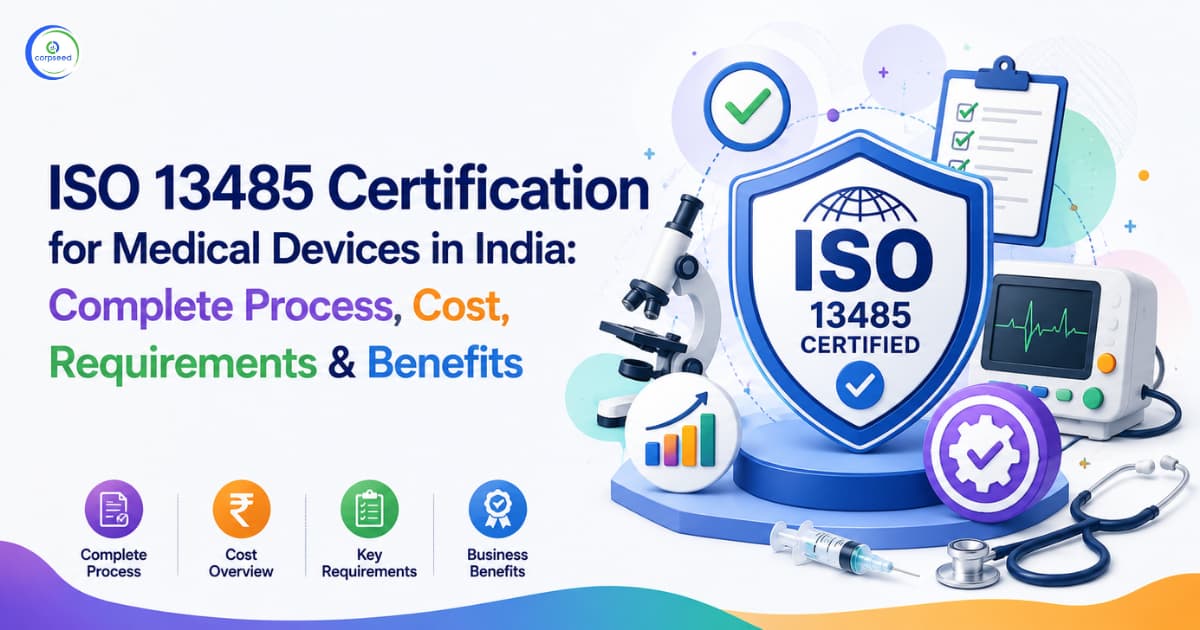
India's healthcare market is expanding rapidly as factories build advanced hospitals and medical tools. Because of new government support, the country is now a global hub for Medical Device Certification in India. However, building tools that treat human patients requires incredible precision and safety.
An ISO 13485 Certificate serves as the vital backbone for a trusted Medical Device QMS (Quality Management System). This global benchmark ensures that every surgical tool or machine remains safe, reliable, and functional.
Securing ISO 13485 Certification in India proves a company values human lives over fast production. The certification pushes teams to stick to a strict Quality Management System for Medical Devices, from the initial design to shipping. By focusing on this, companies boost their factories to match tough global standards. This pro framework makes sure Indian plants churn out reliable gear, keeping folks safe worldwide and smoothing the path to a CDSCO Medical Device License.
Schedule a Call Back
What is ISO 13485 Certification?
An ISO 13485 Certification for medical devices is an official stamp of approval for companies that make medical tools. It proves a factory safely designs, builds, and ships health equipment. The current global standard is ISO 13485:2016, which monitors a product from start to finish.
People often confuse this with ISO 9001. While both manage business operations, their core goals are very different:
ISO 9001 focuses on making customers happy and improving daily operations across any normal business.
ISO 13485 focuses strictly on medical regulatory compliance, safety rules, and strict risk management.
This specialized Medical Device Quality Management System values patient safety over customer preferences. It requires deep risk analysis during manufacturing to prevent mistakes. Because of this high discipline, global health authorities trust the ISO 13485 Certificate as definitive proof that a factory manufactures reliable ISO 13485 Medical Devices. It shows a company follows professional protocols to keep patients safe.
Benefits of ISO 13485 Certification
Earning an ISO 13485 Certification provides massive corporate advantages.
- It upgrades product quality by wiping out manufacturing defects and reducing material waste.
- It protects human lives because tight factory checks stop dangerous machine failures in hospitals.
- It simplifies getting a CDSCO Medical Device License because the system satisfies India's Medical Devices Rules 2017.
- It opens lucrative global markets because international healthcare buyers trust an official ISO 13485 Certificate.
- It tightens supply chain control by forcing vendors to deliver highly reliable raw components.
- It minimizes expensive legal issues by creating flawless paperwork that stops product recalls.
Implementing this Medical Device Quality Management System establishes elite status for local firms. Companies using ISO 13485 Medical Devices protocols gain instant entry into government healthcare tenders. This robust structure lowers Medical Device Regulatory Compliance risks, proving a business operates at world-class standards while maximizing safety.
Who Needs ISO 13485 Certification in India?
Every business inside the healthcare supply chain benefits from an ISO 13485 Certificate. This professional quality standard is vital for multiple industry players:
- Primary Manufacturers: Factories building Class A, B, C, or D tools must hold this certificate to prove safety.
- Importers and Agents: Companies bringing overseas equipment into the country require it to secure a CDSCO Medical Device License.
- Contract Manufacturers: They use this to meet the strict mark for corporate brands.
- Service Providers: Specialized firms handling device sterilization, clean packaging, or precision testing need certified systems.
Key Requirements of ISO 13485:2016
Achieving full conformity with the Medical Device Quality Management System requires strict operational implementation of several foundational core clauses:
- Quality Management System (QMS): A strong Quality Management System helps medical device companies maintain product quality, safety, and regulatory compliance. ISO 13485 Certification requires clear processes and proper records.
- Design and Development Control: Every medical device must be planned, tested, reviewed, and approved before launch. This helps ensure product performance and patient safety.
- Supplier Management: Companies must select reliable suppliers and regularly check the quality of materials and services used in medical device manufacturing.
- Risk Management: ISO 13485 follows risk management principles to identify possible hazards and reduce risks throughout the product life cycle.
- Traceability System: Manufacturers must track raw materials, production batches, and finished devices to support product recalls and compliance requirements.
- CAPA Process: CAPA, or Corrective and Preventive Action, helps spot problems, solve root causes, and stop similar issues from recurring.
- Audits and Reviews: Regular audits and management reviews keep ISO 13485 compliance up and boost operational control too.
- Complaint and PMS Management: Customer complaints and post-market surveillance data help manufacturers monitor product performance and meet CDSCO and global regulatory requirements.
Documents Required for ISO 13485 Certification
These are the documents required for ISO 13485 certification for medical devices in India:
- Quality Manual
- Device Master File (DMF)
- Plant Master File (PMF)
- SOPs and work instructions
- Risk Management File
- Design and development records
- Supplier qualification records
- Calibration and maintenance records
- Internal audit reports
- Management review minutes
- Training records
ISO 13485 Certification Process in India
The path to securing formal certification follows a systematic, highly structured multi-stage progression:
- Gap Analysis: Gap Analysis is the first step in the ISO 13485 Certification process. Experts review the existing Quality Management System, compare it with ISO 13485 requirements, identify missing documents and compliance gaps, and create an action plan to achieve medical device regulatory compliance.
- QMS Architecture Design: The organization authors and structures the necessary statutory records based on the findings of the gap analysis, generating custom SOPs, operational forms, and the foundational Quality Manual.
- Implementation & Cross-Departmental Training: New quality management steps are deployed across all production layers. Workforce personnel undergo targeted training to master their specific data-logging and trace-handling responsibilities.
- Pre-Audit Validation and CAPA Closure: Before the ISO 13485 audit, the company conducts an internal audit to review its Quality Management System. Any non-conformities are corrected through the CAPA process to strengthen compliance and improve audit readiness.
- Stage 1 Certification Audit (Documentation Review): During Stage 1, the certification body reviews ISO 13485 documentation, policies, procedures, and records. This audit checks whether the Quality Management System meets certification requirements and is ready for assessment.
- Stage 2 Certification Audit (On-Site Verification): During Stage 2, auditors visit the facility to verify actual implementation of ISO 13485 requirements. They inspect processes, review records, interview employees, and assess medical device quality management practices.
- Structural Approval and Certificate Issuance: Upon the successful resolution of all audit findings and non-conformities, the Certification Body reviews the final file and issues the formal ISO 13485 Certificate, valid for a three-year term.
- Annual Surveillance Audits: To ensure the quality ecosystem does not degrade, the Certification Body executes mandatory surveillance audits at the conclusion of Year 1 and Year 2.
- Recertification Cycle: Prior to the conclusion of the initial three-year validity window, a full recertification audit must be completed to extend the QMS registration for a subsequent three-year period.
ISO 13485 Certification Cost in India
The overall expense for obtaining an ISO 13485 Certification in India varies significantly for every medical company. Instead of a flat fee, the final ISO 13485 Cost in India depends entirely on the size of the business and the total number of employees working there. It also changes based on product complexity, as high-risk ISO 13485 Medical Devices require much stricter testing. If a company manufactures items across multiple locations, costs naturally increase.
Conclusion
ISO 13485 Certification is way more than just a marketing badge, it's a core strategic need for any med-device company aiming to grow in India. It helps build reliable internal processes, makes products safer, and protects people's lives.
For today's manufacturers, importers, and development partners, getting this certification really simplifies the CDSCO licensing process and clears tech hurdles for international trade. Plus, putting in the effort to have a solid Medical Device Quality Management System shields the business from risks. It boosts its chances of long-term success in a super competitive global market.
About the Author

Mahek Sancheti
Content WriterMahek Sancheti, BAJMC graduate with a deep passion for writing. As a content writer, video content creator, creative content creator, and scriptwriter, I bring stories to life through words and visuals. I honed my skills by working with a prominent news agency, where I excelled in crafting compelling narratives and engaging content. Coming from a journalism and mass communication background I have skills to craft engaging narratives that captivate audiences. With a keen interest in writing and creativity, I aim to deliver impactful and meaningful content that resonates with diverse audiences.
https://www.linkedin.com/in/mahek-sancheti-837196212
Related articles

BIS Certification 2026: Step-by-Step Process
2026-05-02
TRAI New SMS Rules 2026: Mandatory Tagging to Stop Mobile Spam
2026-02-18
Allocation and Activation of TRAI-Compliant 1600 Series Numbers
2026-12-30
Understanding the Power of ISO 9001: 2015 Certification
2025-04-22
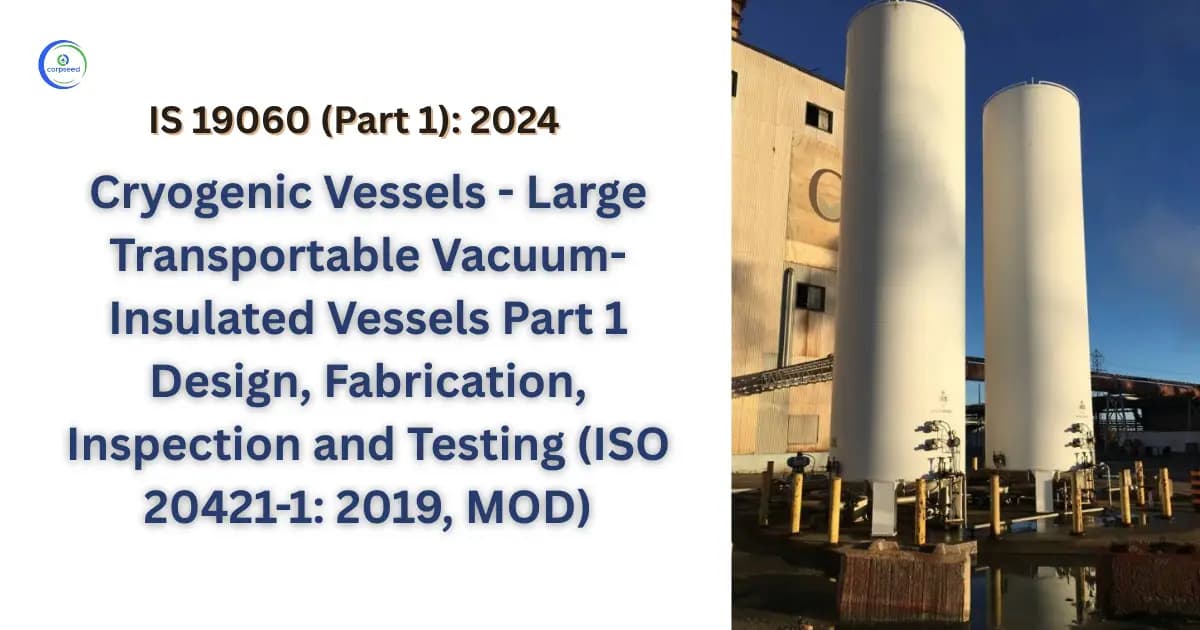
IS 19060 (Part 1): 2024 Cryogenic Vessels - Large Transportable Vacuum-Insulated Vessels Part 1 Design, Fabrication, Inspection and Testing (ISO 20421-1: 2019, MOD)
2025-03-18

What is Eco Mark Scheme?
2025-03-17