
Why Your Pollution NOC Application Gets Rejected: Common Mistakes to Avoid in 2026
A Pollution NOC is an essential environmental clearance granted by the State Pollution Control Board (SPCB) or Pollution Control Committee (PCC) to make sure that industrial and commercial activities do not exceed pollution control norms.
Schedule a Call Back
1,800+ CTE/CTO and plant setup assignments since 2018
Clients include Magnum Aluminium, Enershell Alloys and Steel, Ganesh Foundry & Cast, Inland Speciality Metals, JK Cement, Sskbp India Alloy, Denso India, Neometrix Defence, PMS Waste Management, Daebak India Recycler, Ganix Rubber Recycling, Pashidaa E Waste Copper Battery Recycling PLT Company (12 of 1,100+ served since 2018).
A few more clients we've served in this industryHide the list
- Engineering and manufacturing
- Magnum Aluminium · Enershell Alloys and Steel · Ganesh Foundry & Cast · Inland Speciality Metals · JK Cement · Sskbp India Alloy · Denso India · Neometrix Defence
- Recycling and waste management
- PMS Waste Management · Daebak India Recycler · Ganix Rubber Recycling · Pashidaa E Waste Copper Battery Recycling PLT Company · Upcycle Debris Management · Ficusa Ewaste Recyclers · Shuchaye Recyclers · Quantara Battery Recycling
- Logistics and trade
- 20Cube Logistics Solutions · Airsurge Logistics · Green Space Logistics · Saap Logistics
- Food and consumer goods
- Bake Wish · Kokora Spices · Babi Beverages · Indraj Beverages and Distilleries · Adheshwar Agro Dairy Products · Venco Research and Breeding Farm · Explore Food · IFF India Frozen Foods
- Energy and power
- Servotech Renewable Power System · Saurya Urja Company of Rajasthan · Sun Mobility · Sun Max Solar · Maxvolt Energy Industries · Rays Power Infra
- Chemicals and materials
- Venkateshwara Roto Pack · Lami Tube · M C Bauchemie I · Pro Flexi Packaging · Rustchem Corrosols · SVN Polymers · Kairaa Polypack · Sanctum Chemicals
- More clients
- Intangles Lab · Alten India · Adit Buildwell · Ecowise Trading · GS E-Commerce · Beaucience India
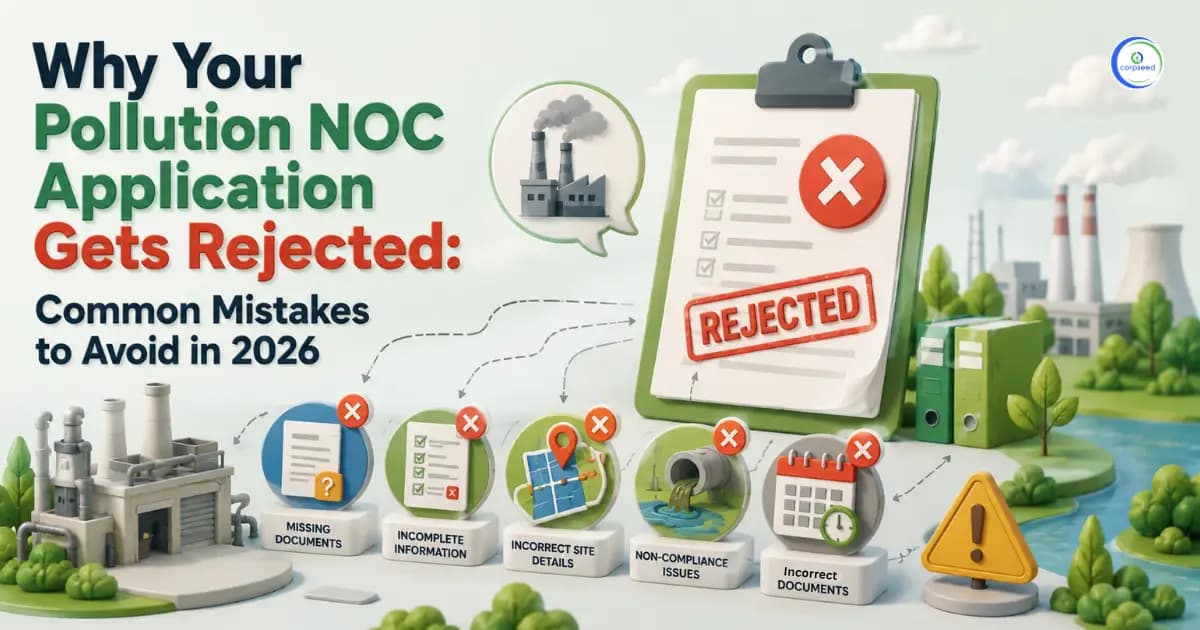
Introduction
A Pollution NOC is often the last thing businesses think about until it gets rejected. Imagine spending time, money and effort in establishing your factory, warehouse, recycling or manufacturing unit, only to get an objection notice from the State Pollution Control Board. Frustrating, isn't it?
The truth is that the majority of Pollution NOC rejections are not due to significant pollution issues. They occur due to missing documents, wrong information, inadequate planning or failure to meet environmental requirements. The good news? Most of these errors can be prevented with adequate preparation.
This guide explains the most common reasons why a Pollution NOC, Consent to Establish (CTE), or Consent to Operate (CTO) application gets rejected and the practical steps you can take to improve your chances of faster approval.
Understanding Pollution NOC and Its Importance
A Pollution NOC is an essential environmental clearance granted by the State Pollution Control Board (SPCB) or Pollution Control Committee (PCC) to make sure that industrial and commercial activities do not exceed pollution control norms.
Businesses might require:
- Consent to Establish (CTE) before setting up the unit
- Obtain a Consent to Operate (CTO) prior to operations
- Approval for expansion or modification of operations for renewal or amendment
The Pollution Control Board Certificate verifies that the business has sufficient measures to control air emissions, wastewater, solid waste, hazardous waste, and other environmental effects. Establishing a business without proper authorization may lead to fines, closures, and serious legal troubles.
Common Reasons Your Pollution NOC Gets Rejected
The majority of Pollution NOC rejections are the result of compliance errors that are easily preventable. Understanding of these issues can help businesses make a more robust application and prevent delays.
- Incomplete or Missing Documents: One of the most common reasons for rejection is submitting an application without all the required supporting documents.
How to avoid it:
- Verify the latest document checklist before applying
- Ensure all uploaded documents are clear and valid
- Cross-check business details across all records
- Incorrect Information in the Application: Any error in production capacity, water use, land information, or company information can create compliance issues.
How to avoid it:
- Review every entry before submission
- Match application details with supporting documents
- Conduct an internal verification process
- Wrong Industry Category Selection: Industries are classified into Red, Orange, Green, and White categories based on their pollution potential. Selecting the wrong category may lead to rejection.
How to avoid it:
- Check the latest CPCB categorization guidelines
- Consult compliance experts if classification is unclear
- Verify category requirements before filing
- Inadequate Pollution Control Systems: The State Pollution Control Board evaluates whether the proposed pollution control measures are sufficient for the nature of operations.
How to avoid it:
- Install necessary air pollution control equipment.
- Provide detailed technical specifications
- Show adherence to relevant standards
- Poor Site Layout and Project Planning: Incomplete site plans or project reports increase the difficulty for the authorities to understand environmental compliance.
How to avoid it:
- Create professional site layout structure.
- Clearly identify waste management and treatment facilities
- Include accurate process flow diagrams.
- Non-Compliance with Environmental Regulations: Applications may be rejected if the project violates environmental norms, zoning requirements, or applicable regulations.
How to avoid it:
- Verify land-use permissions before applying
- Ensure compliance with environmental laws
- Obtain all prerequisite approvals
- Improper Waste Management Arrangements: Businesses' plans for the management of solid waste, hazardous waste, and wastewater are closely scrutinized by the authorities.
How to avoid it:
- Develop a comprehensive waste management plan
- Identify authorized disposal or recycling facilities
- Maintain proper waste handling procedures
- Failure to Obtain Required Supporting Approvals: Some industries require additional approvals before a Pollution NOC approval can be granted.
How to avoid it:
- Identify all applicable licences and permissions
- Secure mandatory approvals beforehand
- Maintain updated compliance records
- Failure to Respond to Regulatory Queries: Many applications are rejected because applicants fail to provide clarifications or additional information requested by the Pollution Control Board.
How to avoid it:
- Regularly monitor application status
- Respond to notices within the specified deadlines
- Provide requested information in time
- Mismatch between Actual Operations and Application Details: If the actual site setup differs from the information submitted in the application, the Pollution NOC may be rejected.
How to avoid it:
- Submit accurate information
- Keep documents and operations consistent
- Perform internal compliance audit prior to inspection.
Schedule a Call Back
How to Prevent Pollution NOC Rejection
The majority of Pollution NOC applications are rejected because of missing information, non-compliance or lack of environmental requirements. By being aware of these common problems can help businesses avoid unnecessary delays and enhance their chances of approval.
- Incomplete or incorrect documentation
- Selecting a wrong industry category.
- Poor pollution control measures
- Inadequate waste management planning
- Non-compliance with State Pollution Control Board guidelines
- Seek professional compliance assistance when required
A well-prepared application will help to minimize the risk of rejection and also help to accelerate the approval process.
Conclusion
Obtaining a Pollution NOC, Consent to Establish (CTE), or Consent to Operate (CTO) is an essential compliance requirement for many businesses in India. Rejection may cause delays and cost more, but most applications fail because they are missing information, contain incorrect data, lack proper pollution control, or are not compliant with regulations.
Knowing the typical causes of rejection and taking proactive steps to avoid them will help businesses to minimize the hurdles in the approval process and obtain their Pollution Control Board Certificate with greater ease. Proper planning, record keeping and compliance with environmental regulations continue to be the most effective methods to expedite and simplify approval.
About the Author

Parul Bohral
Legal Content WriterParul Bohral, a BALLB graduate and experienced legal researcher and content writer with expertise in various legal areas, including corporate law and intellectual property. I have gained valuable experience in esteemed legal environments, where I have strengthened my research skills, allowing me to approach legal writing with precision and depth.
As a legal content writer, I am committed to delivering work that not only informs but also engages readers. By staying informed about the latest trends in content marketing and regulatory developments, I ensure that my writing remains sophisticated and meets industry standards. My dedication to thorough research enables me to craft content that is both insightful and impactful.
Related articles
Delhi Winter Air Pollution Control Directions 2026: Key Compliance Updates
2026-07-02
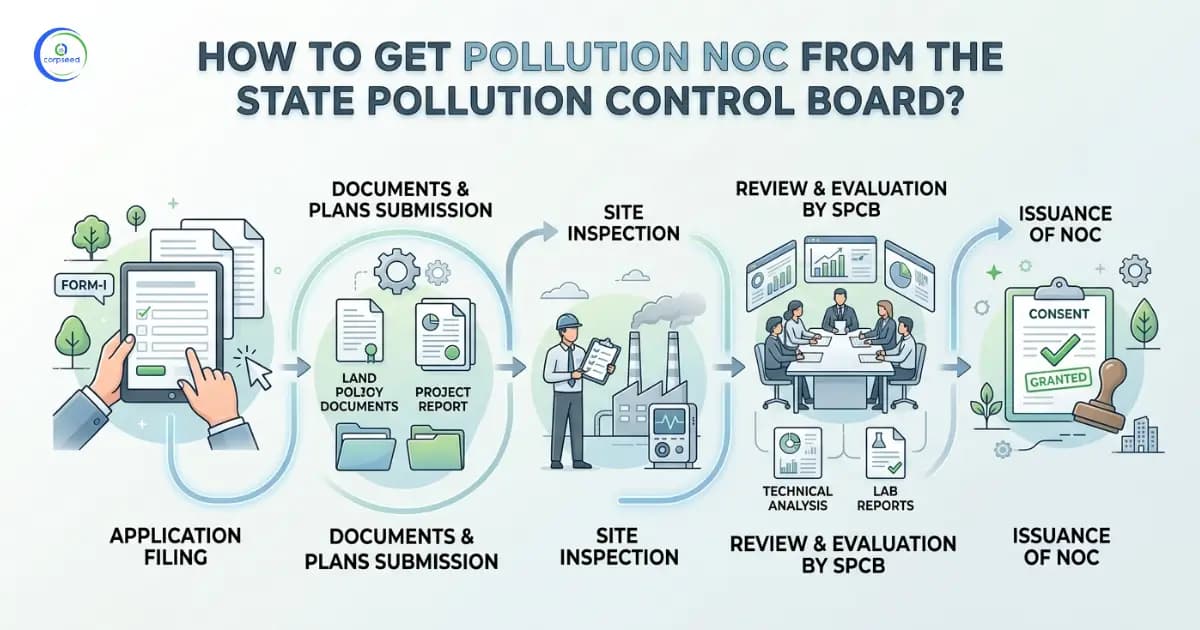
How to Get Pollution NOC from the State Pollution Control Board?
2026-04-29
Environment Ministry Revised White Category Industries under the Air and Water Acts
2025-10-27
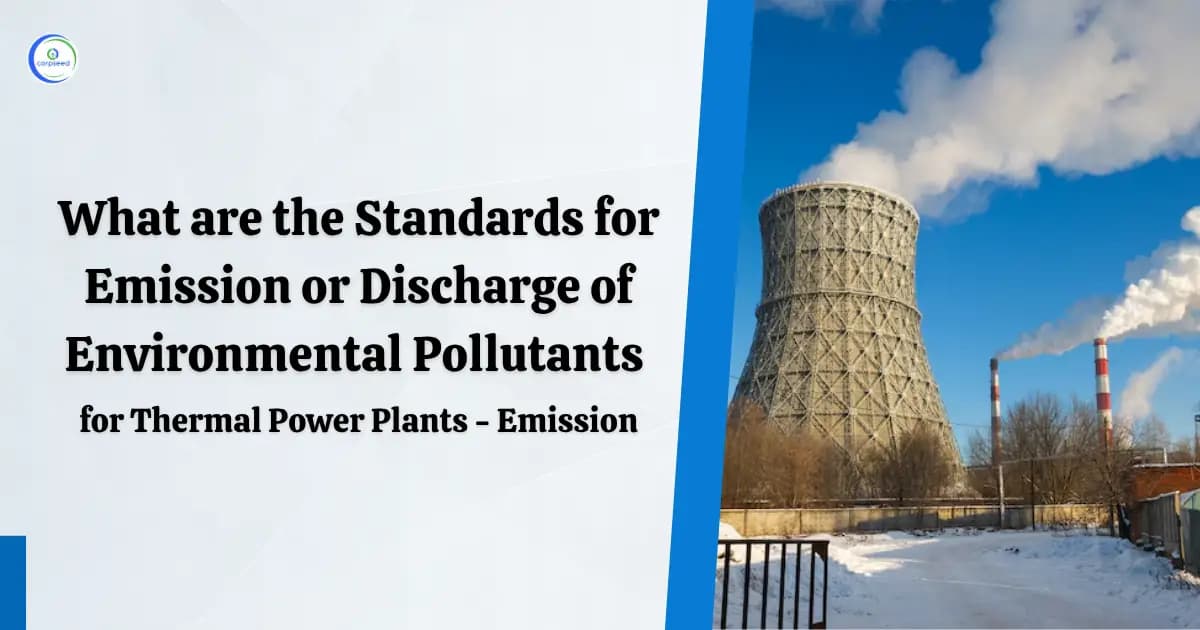
What are the Standards for Emission or Discharge of Environmental Pollutants for Thermal Power Plants - Emission
2025-06-24
What are the Standards for Emission or Discharge of Environmental Pollutants for Automobile Service Station, Bus Depot or Workshop
2025-06-21
Understanding the Revised Methodology for Classification of Industrial Sectors by CPCB
2025-04-15