
CDSCO Introduces Dossier-Based Licensing Framework to Streamline Drug Approvals in India
New CDSCO guidelines introduce dossier-based drug licensing to improve transparency, speed up approvals, and ensure uniform quality standards nationwide.
Schedule a Call Back
2,100+ CDSCO medical device assignments since 2018
Clients include Endolite India, Mankind Pharma, Ossur India, ADK Health Care, Credence Prosthetic India, V2U Physio Asia, International Electro Medical Company, Radimage Healthcare India, Istok New Hearing AID, Simpladent Implant Solutions, Starkey Laboratories India, Gentec Medical (12 of 1,100+ served since 2018).
A few more clients we've served in this industryHide the list
- Pharma and healthcare
- Endolite India · Mankind Pharma · Ossur India · ADK Health Care · Credence Prosthetic India · V2U Physio Asia · International Electro Medical Company · Radimage Healthcare India · Istok New Hearing AID · Simpladent Implant Solutions · Starkey Laboratories India · Gentec Medical · Cureesse Pharma · Hygiene Medicus · Nexus Surgical and Medicare
- More clients
- Meditronix Corporation · Nilkamal · Haesi GHL · GHL · Servotech Power Systems · Elektrocraft India · Happy Medicare · Anantaa Gsk Innovations · Cogmac Technologies · Aficionados Tech · Superceuticals · Truevis Technologies · 1008 Digital Health · BDS Services · Evoq Imaging Technologies · Premier Medical Systems and Devices · Riransa · Vitrag Infra Projects · Insta Biotech · Digital Acoustics · Artificial Learning Systems India · Nfilade Security Solutions · Humors Tech · K2O Consulting
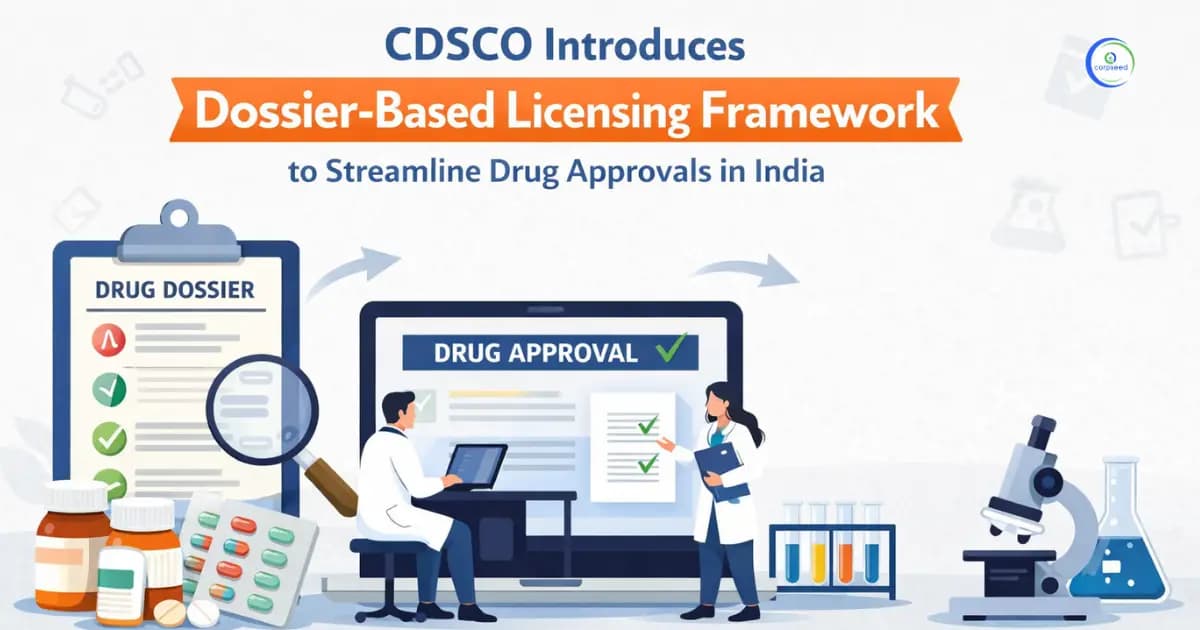
India's drug regulatory landscape is set for a major shift. The Central Drugs Standard Control Organisation (CDSCO) has rolled out new guidelines to simplify how manufacturing licences are issued and renewed. At the core of this reform is a dossier-based submission model, where manufacturers must now compile and present complete information in a single structured package rather than submitting documents in a fragmented manner. The move is aimed at reducing long-standing delays and bringing greater consistency to pharmaceutical licensing across the country.
A Structured Shift in Drug Licensing
Under the new framework, companies must submit a comprehensive dossier covering all critical aspects of their application upfront. The checklist is divided into two parts. Part A covers firm and facility details such as site plans, staff qualifications, and existing approvals. Part B focuses on product-specific data, including stability studies, validation processes, and bioequivalence reports.
This format reduces missing documents and eliminates repetitive review cycles that have historically delayed approvals. With applications assessed against a standard format, the process also gains a level of objectivity that was previously inconsistent.
Push for Transparency and Uniformity
The decision follows deliberations at the Drugs Consultative Committee, where concerns over drug quality, safety, and uneven approval practices across states were raised. The need for a uniform national standard led to the introduction of a common checklist for all applicants.
Regulatory officials believe the model will bring transparency and fairness to an approval process long criticised for its unpredictability. Clear requirements for manufacturers and a standardised evaluation process for regulators are expected to reduce unnecessary delays and make the system more dependable.
Nationwide Adoption on the Horizon
State regulators have agreed to adopt this framework across the country. This means drug licence applications will now be reviewed and approved on the same standards, regardless of the state.
The initiative is also expected to improve compliance with the Drugs and Cosmetics Act, 1945, and keep a closer check on drug quality and manufacturing standards. For a sector that has struggled with regulatory gaps for years, this is being seen as a step in the right direction.
About the Author

Parul Bohral
Legal Content WriterParul Bohral, a BALLB graduate and experienced legal researcher and content writer with expertise in various legal areas, including corporate law and intellectual property. I have gained valuable experience in esteemed legal environments, where I have strengthened my research skills, allowing me to approach legal writing with precision and depth.
As a legal content writer, I am committed to delivering work that not only informs but also engages readers. By staying informed about the latest trends in content marketing and regulatory developments, I ensure that my writing remains sophisticated and meets industry standards. My dedication to thorough research enables me to craft content that is both insightful and impactful.