
Class-A Medical Device Manufacturing Business in India
The medical device sector in India has expanded fast, driven by rising demands for medical equipment. This industry is crucial to the healthcare system.
Schedule a Call Back
2,100+ CDSCO medical device assignments since 2018
Clients include Endolite India, Mankind Pharma, Ossur India, ADK Health Care, Credence Prosthetic India, V2U Physio Asia, International Electro Medical Company, Radimage Healthcare India, Istok New Hearing AID, Simpladent Implant Solutions, Starkey Laboratories India, Gentec Medical (12 of 1,100+ served since 2018).
A few more clients we've served in this industryHide the list
- Pharma and healthcare
- Endolite India · Mankind Pharma · Ossur India · ADK Health Care · Credence Prosthetic India · V2U Physio Asia · International Electro Medical Company · Radimage Healthcare India · Istok New Hearing AID · Simpladent Implant Solutions · Starkey Laboratories India · Gentec Medical · Cureesse Pharma · Hygiene Medicus · Nexus Surgical and Medicare
- More clients
- Meditronix Corporation · Nilkamal · Haesi GHL · GHL · Servotech Power Systems · Elektrocraft India · Happy Medicare · Anantaa Gsk Innovations · Cogmac Technologies · Aficionados Tech · Superceuticals · Truevis Technologies · 1008 Digital Health · BDS Services · Evoq Imaging Technologies · Premier Medical Systems and Devices · Riransa · Vitrag Infra Projects · Insta Biotech · Digital Acoustics · Artificial Learning Systems India · Nfilade Security Solutions · Humors Tech · K2O Consulting
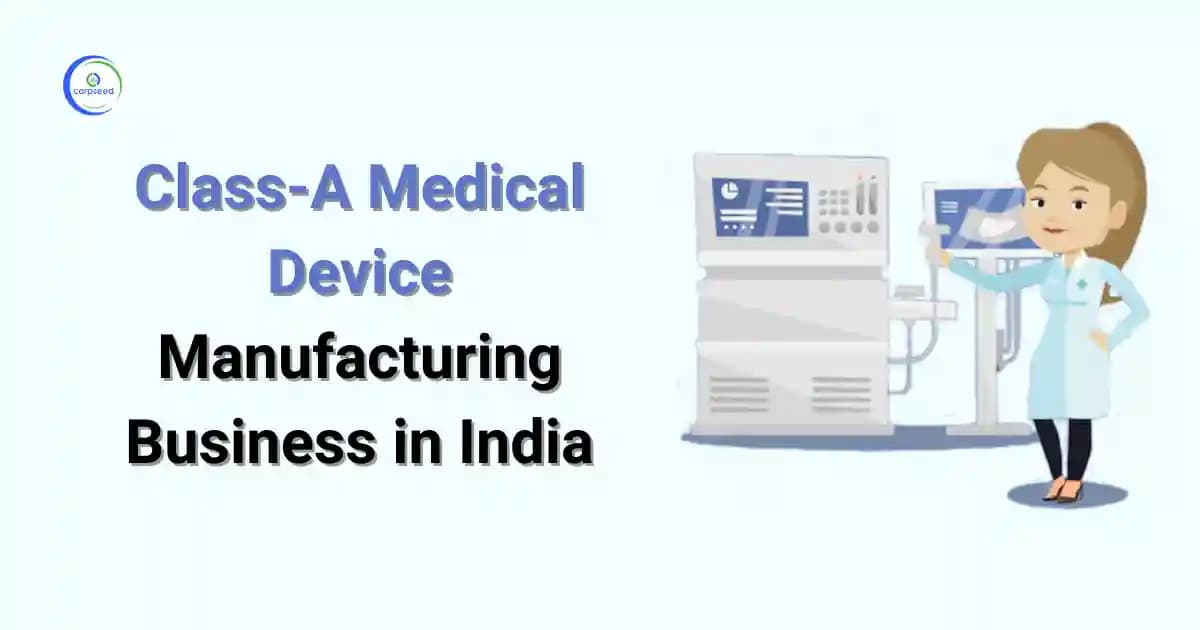
Introduction of Class-A Medical Device
The medical device sector in India has expanded fast, driven by rising demands for medical equipment. This industry is crucial to the healthcare system. However, verifying the safety and efficacy of medical equipment is critical. To ensure standards, strict rules are in place. Obtaining a license to produce medical equipment in India requires numerous processes.
First and foremost, it is crucial to comprehend the regulations. The next step is to apply for the license by filling out forms and submitting them to the authorities. In addition, facilities may be inspected to verify they meet safety regulations. It is crucial to follow regulations, prioritize quality, and remain patient throughout the process.
Schedule a Call Back
What is a Class A Device?
Class A end devices have extremely low power consumption. As a result, they can run using battery power. They spend the majority of their time in sleep mode and typically have significant periods between uplinks. Furthermore, Class A devices have significant downlink latency because they must send an uplink to receive a downlink.
Classification of Medical Devices
In 2017 Medical Device Rule classification classified the Medical device into four classes they were depending on the risks involved, contact with the body, etc., mentioned below.
| Risk Class | Risk Involved |
| CLASS-A | LOW RISK |
| CLASS-B | LOW-MODERATE RISK |
| CLASS-C | HIGH-MODERATE RISK |
| CLASS-D | HIGH RISL |
What is CDSCO Manufacturing License for Medical Devices?
The Central Drugs Standard Control Organisation (CDSCO) oversees the registration and manufacture of medical devices in India. To manufacture medical devices, companies must get a CDSCO licence.
This licence is issued under the CLAA scheme, which is administered by the State Licencing Authority and approved by the CDSCO, providing that all Medical Devices Rules requirements are met. This scheme governs the manufacture of notified medical devices, ensuring that safety and quality criteria are met.
How Class-A Medical Device Regulated?
- India's licencing authority is the Central Standard Control Organisation (CDSCO). The licencing procedure in a nutshell:
- Fill out the thorough application Form MD-3 and upload it to the SUGAM site.
- State licencing authorities provide approval to manufacture Class A and B devices on Form MD-5 after a rigorous review process.
Read Our Blog: What is Form MD-3 and Form MD-5?
How to Apply for Class-A Medical Device Manufacturing
To produce, sell, or distribute medical devices, a company should apply to the State Licencing Authority using the FORM MD3. A list of documents must be presented along with the FORM MD-3, including;
- Step 1: Gather a list of essential documents such as a cover letter, location ownership/agreement/tenancy, firm formation details, test licence, IVDs, and quality control data.
- Step 2: Complete Form MD-3 and send it to the State Licencing Authority for Medical Device Manufacturing, Sales, or Distribution.
- Step 3: Wait for the review of the provided papers and forms.
- Step 4: Allow an inspection of the manufacturing facility for Class B medical devices.
- Step 5: Following the review, the State Licencing Authority will award the manufacturer approval and the manufacturing licence in Form MD- 5.
What Are The Key Responsibilities of Class-A Medical Device Manufacturing?
Regulatory Compliance and Documentation:
- Registration and Approval: Manufacturers must ensure that their Class-A medical device is registered and approved by the appropriate health authorities, such as the FDA in the United States, or receive CE marking for the European market. This process entail submitting the relevant papers to verify the device's safety, performance, and regulatory compliance.
- Regulatory Adherence: Follow all applicable regulations and requirements for Class-A medical devices. This includes remaining up to date on regulatory changes and assuring the device's compliance throughout its existence.
- Record keeping: Keep meticulous records of all regulatory filings, approvals, and correspondence with regulatory organisations. These records should be easily accessible for scrutiny during audits or regulatory reviews.
The Quality Management System (QMS)
- Implement and maintain: A strong Quality Management System (QMS) in accordance with standards such as ISO 13485. This system should encompass all stages of the device's lifecycle, from design and development to manufacturing and post-market activities.
- Documentation and Control: Document all processes, including design controls, production methods, and quality control measures. Regular internal audits should be performed to ensure ongoing compliance and identify opportunities for improvement.
- Corrective and Preventive Actions (CAPA): Implement a CAPA system to address any deviations, non-conformances, or recognised hazards. This includes determining the root causes, executing corrective actions, and monitoring the success of these activities to prevent reoccurrence.
Forms Needs for Class A Notified Medical Devices:
| Forms | Description | Fees |
| Form MD-3 | Application form for manufacturing Class A notified medical equipment in India. | One site costs INR 5000, and a medical equipment costs INR 500. |
| Form MD-4 | Application form for lending licence for Class A notified medical devices in India. | |
| Form MD-5 | Authorization to manufacture Class A notified medical devices in India. | |
| Form MD-6 | Permission for bringing Class A-notified medical devices into India. | |
| Form MD-14 | Application to import Class A notified. Application to import Class A notified medical equipment into India. | $1000 for one location and $50 for one medical device unit. |
| Form MD-15 | Application to import Class A notified. medical equipment into India. |
Read Our Blog: Application Procedure for Class A and Class B Medical Devices
Validity of Class-A Medical Device
SLA issues Form MD-5, which grants permission to manufacture Class A and B medical devices. The licence is valid indefinitely, provided that payment is completed within five years of the SLA's issuance date. However, the SLA may terminate or suspend the licence for competent grounds at any moment.
Conclusion
The Class-A medical device manufacturing industry in India is subject to severe regulations to assure the safety and efficacy of medical equipment. The Central Drugs Standard Control Organisation (CDSCO) oversees the licencing process, requiring producers to follow specified rules and provide extensive paperwork.
Regulatory compliance, maintaining a strong Quality Management System (QMS), and keeping meticulous records are all important tasks. Manufacturers must fill out a variety of paperwork, including Form MD-3 for application and Form MD-5 for authorization, and have their facilities inspected. Compliance with these standards is critical to the continued operation and integrity of the manufacturing industry.
About the Author

Shamshad Alam
Head - Digital MarketingExperienced Digital Marketer with a demonstrated history of working in the Internet industry. He likes to write about the latest technology trends, Skilled in Digital Marketing likes. Search Engine Optimization, SMO, SEM, PPC, Content Writing, and, Designing, etc.
Related articles
CDSCO MD-7 Endorsement for Medical Devices: A Practical Guide for Manufacturers
2026-10-23
CDSCO Export NOC for r-DNA Products: Who Needs It?
2026-10-21
CDSCO Registration: A Simple Guide to Getting Your License in India 2026
2026-10-21

Importing Cosmetic Gift Sets into India? CDSCO, LMPC & Labelling Checklist
2026-10-14
CDSCO Medical Device Registration Consultant
2026-09-23
CDSCO Registration for Lab Equipment and Diagnostic Devices
2026-09-22