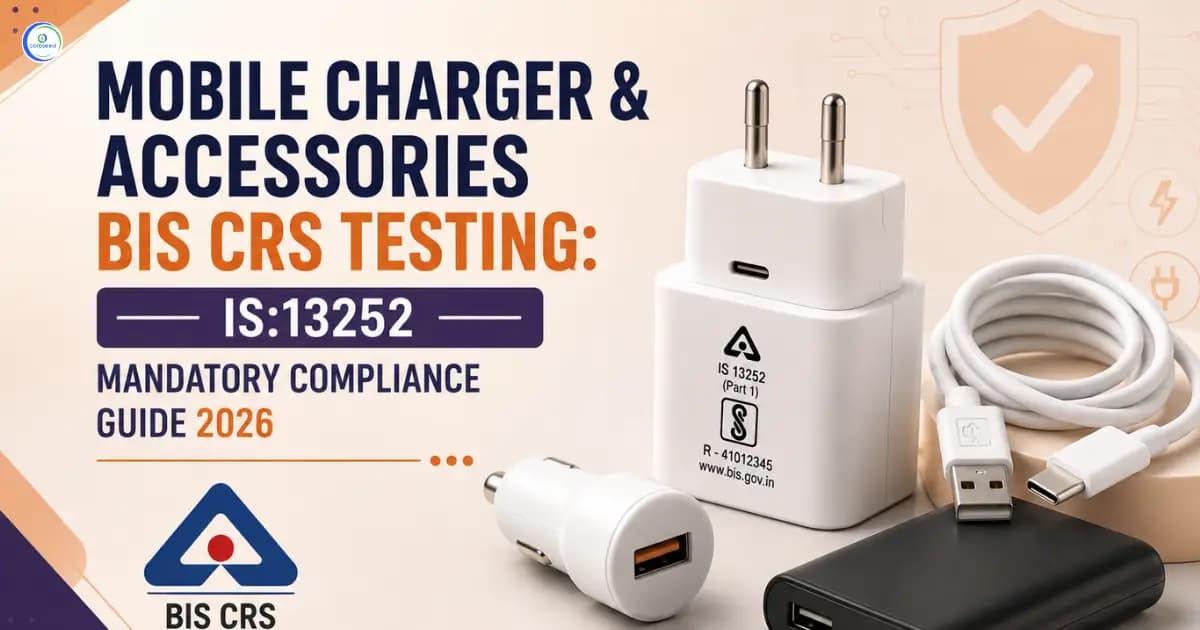
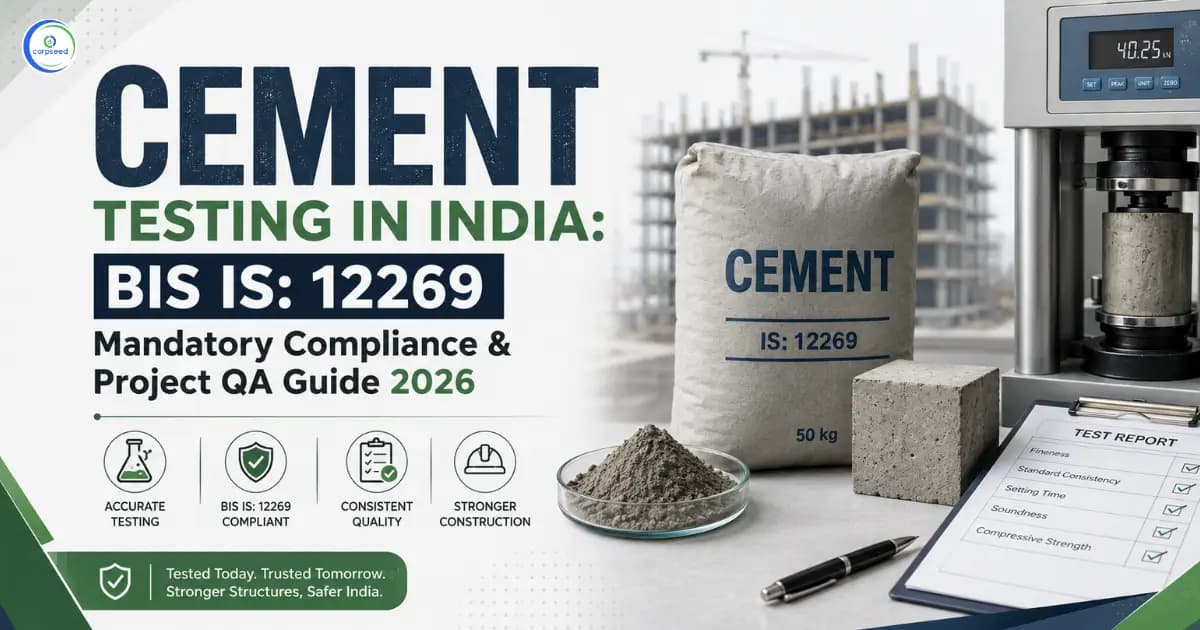
For a considerable period, importing Chinese products into India involved considerable uncertainty. Frequent shipment delays, unclear approvals, and uncertainty over market entry made long-term planning challenging, leading many companies to scale back or pause their sourcing efforts.
The Indian government has now approved the sale of Chinese goods in the domestic market under clearly defined conditions. Products may be sold only if they adhere to India’s safety and quality norms. Though the change may seem steady, it signifies a crucial development for businesses seeking stability, clarity, and renewed market access.

Table of Contents
Why This Decision is Important
Over the past few years, Chinese imports have been closely examined due to concerns around quality, safety, and broader trade issues. For businesses, this meant unpredictable sourcing and constant compliance hurdles.
The recent approval does not constitute unrestricted market access. Rather, it reflects a structured and controlled regulatory approach, allowing products to enter the market only after compliance with applicable Indian standards. This distinction is critical.
For businesses, this brings much-needed clarity. Sourcing options open up again, supply planning becomes possible, and long-term strategies can finally take shape. However, shortcuts are no longer an option. This development matters because:
- Products such as electronics, home essentials, and consumer goods can return to the market legally
- Businesses regain access to wider sourcing choices
- Consumers benefit from more options without compromising safety
At the same time, compliance has become non-negotiable. Any attempt to bypass the process can quickly lead to penalties and setbacks.
--------------Blog Contact Form-------------
Impact on Businesses and the Market
This move is expected to influence the Indian market in several ways:
- Stronger competition: Domestic manufacturers may face pressure from competitively priced Chinese products, especially in electronics and lifestyle categories.
- Better choices for consumers: Shoppers are likely to see more variety and competitive pricing, which can influence buying behaviour.
- New business opportunities: Importers and retailers who understand compliance requirements can expand faster and stay ahead of others.
- Higher compliance responsibility: Businesses must strictly follow quality standards. Non-compliance can result in fines, seized goods, or long-term reputational harm.
- Market evolution: Increased competition often pushes manufacturers to improve quality, design, and certification standards.
Navigating Compliance in the Indian Market
Every product entering India must meet safety and quality benchmarks, typically verified through the Bureau of Indian Standards. This involves product testing, accurate documentation, and working with suppliers who are properly registered and accountable.
Importers and retailers need to be especially careful. Even unintentional lapses can lead to legal trouble or loss of credibility. Once trust is compromised, restoring it is challenging. Maintaining proper documentation is no longer merely good practice; it serves as a critical safeguard for the business.
Opportunities for Importers and Retailers
Despite the stricter requirements, this change creates real opportunities for businesses that are prepared. Retailers can broaden their product offerings again, while importers who understand the compliance process can move faster than competitors.
There is also a growing trust factor. Customers today pay attention to safety and quality standards. Products that clearly meet regulatory requirements are easier to sell, even when they are imported.
For many businesses, BIS certification and proper registration are no longer just legal formalities. They have become part of the product’s credibility and value.
Market Implications and Competition
Local manufacturers may feel the pressure of compliant, affordable imports, but this competition can also strengthen the market overall.
Higher quality standards, better designs, and safer products usually emerge when competition increases. Businesses focused only on pricing may struggle, while those investing in quality and trust are more likely to sustain themselves in the long run.
Ultimately, this development favours businesses that adopt a long-term, strategic approach rather than focusing on short-term gains.
What Businesses Should Focus On Now
If you are operating in this space, a few priorities are critical:
- Partner only with suppliers who understand Indian regulations
- Maintain clear and complete records of approvals, test reports, and registrations
- Be transparent with customers about product quality and compliance
- Stay updated on regulatory changes, as requirements can evolve
These steps don’t just help with compliance, they protect your brand and reputation.
Conclusion
The approval to sell Chinese goods in India is not simply about reopening trade. It reflects a stronger focus on accountability, safety, and quality. Importers, retailers, and distributors that understand and comply with these requirements can utilize this opportunity to expand their market presence.
While competition may increase, businesses that prioritise proper documentation, certified quality, and consumer trust will stand out. BIS certification and BIS registration play a crucial role in ensuring products are safe, compliant, and trusted in the Indian market.
By staying informed and adhering to best practices, businesses can capitalize on this regulatory shift while fostering long-term credibility and stability.
This portion of the site is for informational purposes only. The content is not legal advice. The statements and opinions are the expression of author, not corpseed, and have not been evaluated by corpseed for accuracy, completeness, or changes in the law.
BOOK A FREE CONSULTATION
Get help from an experienced legal adviser. Schedule your consultation at a time that works for you and it's absolutely FREE.