
Knowledge Centre
Articles, guides and latest updates — clean UI, fast reading, and category-wise browsing.
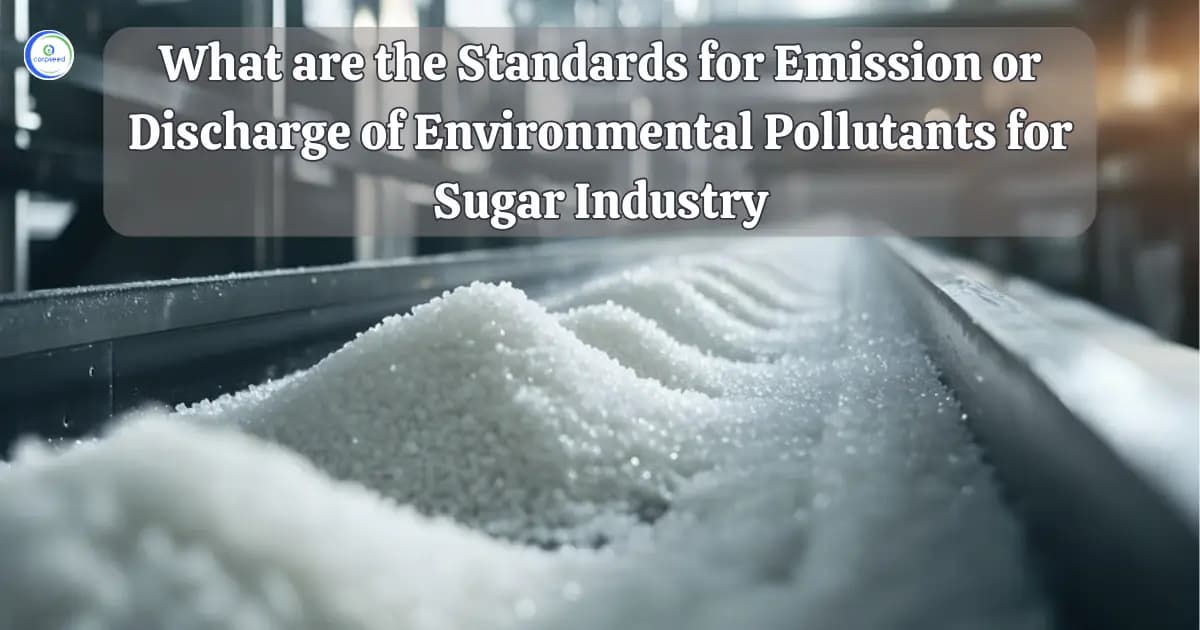
The sugar industry plays an important role in agro based industrial development and rural employment. However, it is also a key source of pollution, especially through effluent discharges an…
Metal recycling plants are industrial services that collect, process, and restore waste metals to the production cycle.
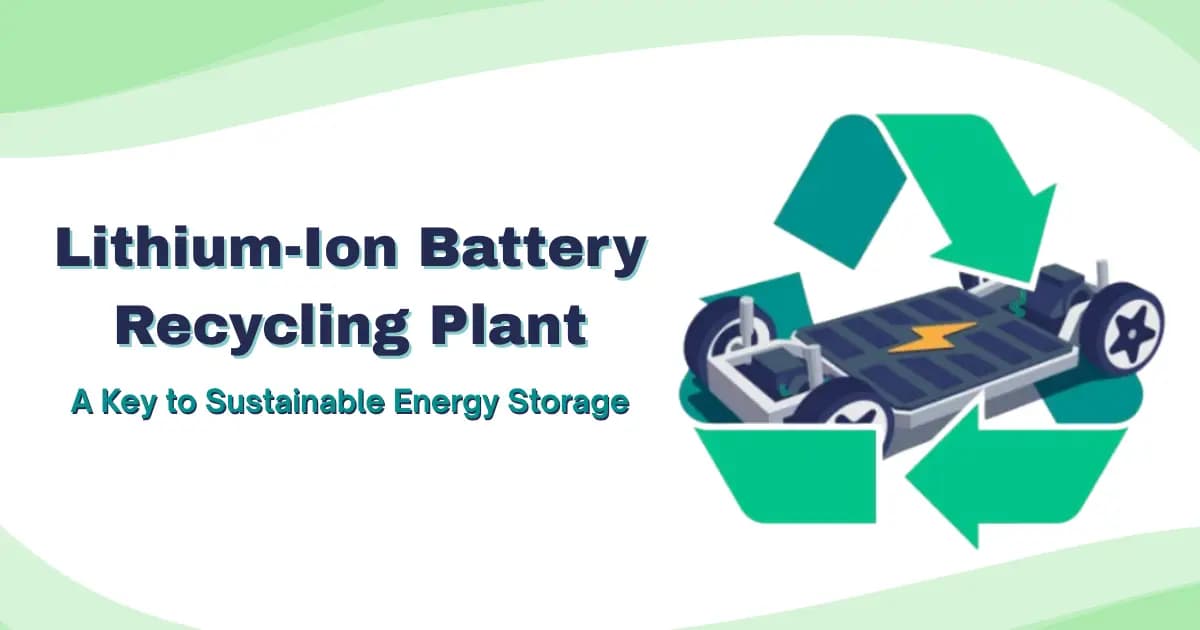
A lithium-ion battery recycling plant is a facility designed to recover valuable materials from used or discarded lithium-ion batteries. The process begins with the safe collection and sorti…

The rapid growth of industries such as electronics, electric vehicles and renewable energy storage has driven the demand for lithium-ion batteries.

BEE registration is a formal accreditation granted by the Bureau of Energy Efficiency to manufacturers and dealers of products that meet specific energy efficiency standards.
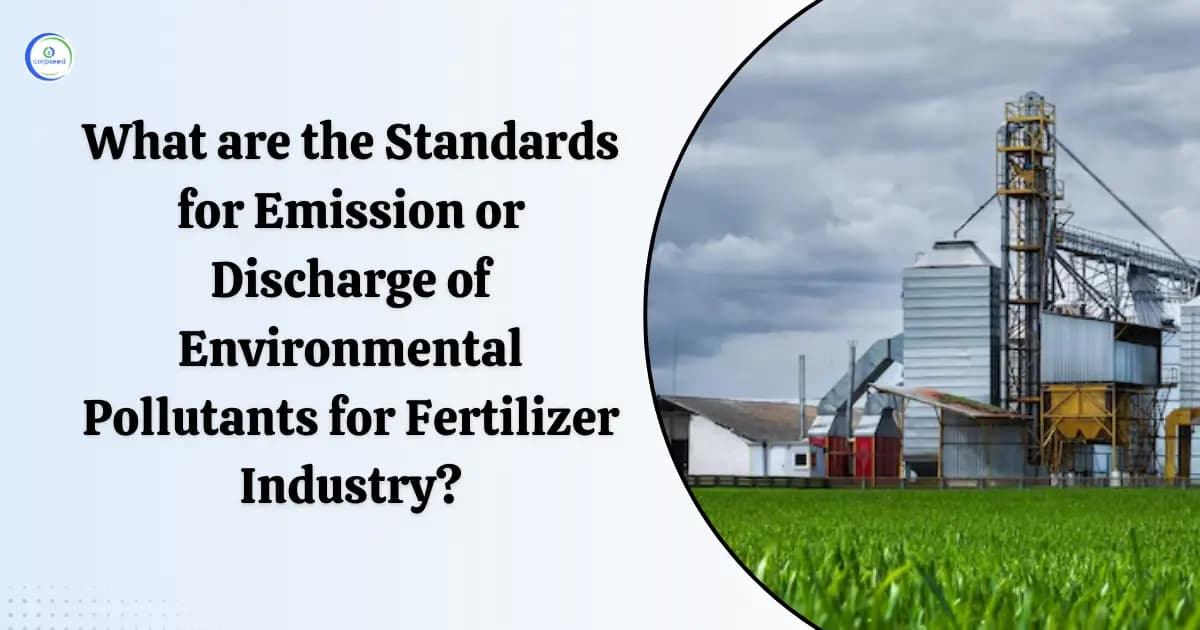
The fertilizer industry is crucial to India’s agricultural sector, confirming food security and supporting rural economies. However, the environmental influence of fertilizer production has …
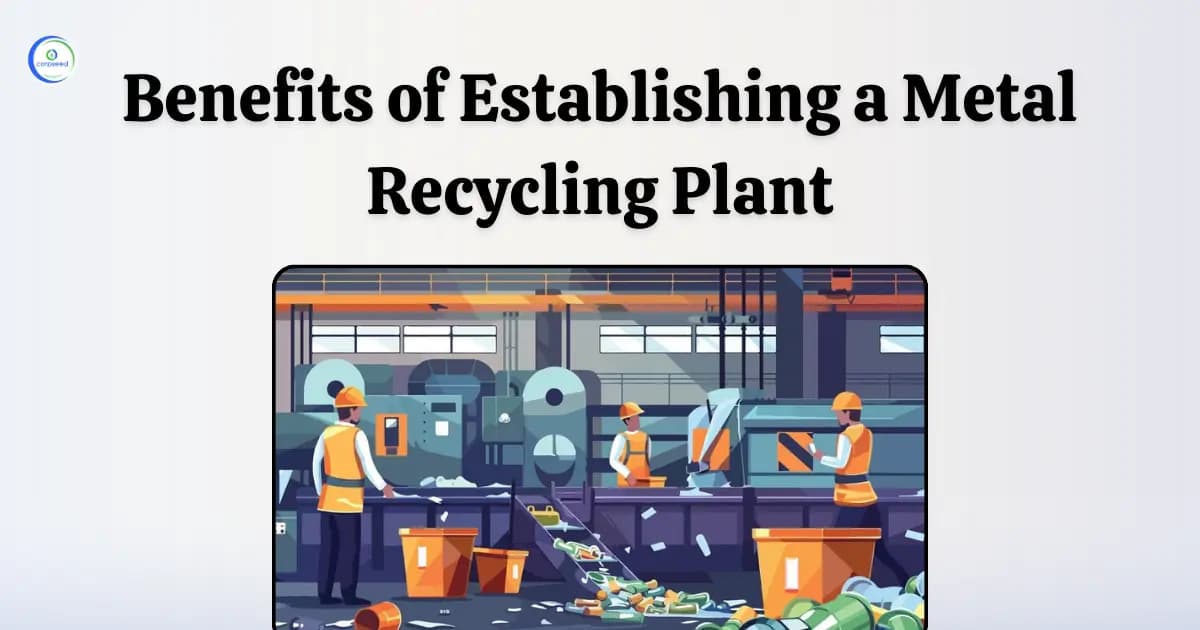
A metal recycling plant is an expert facility designed to collect, process and reuse scrap metal into recyclable raw material.
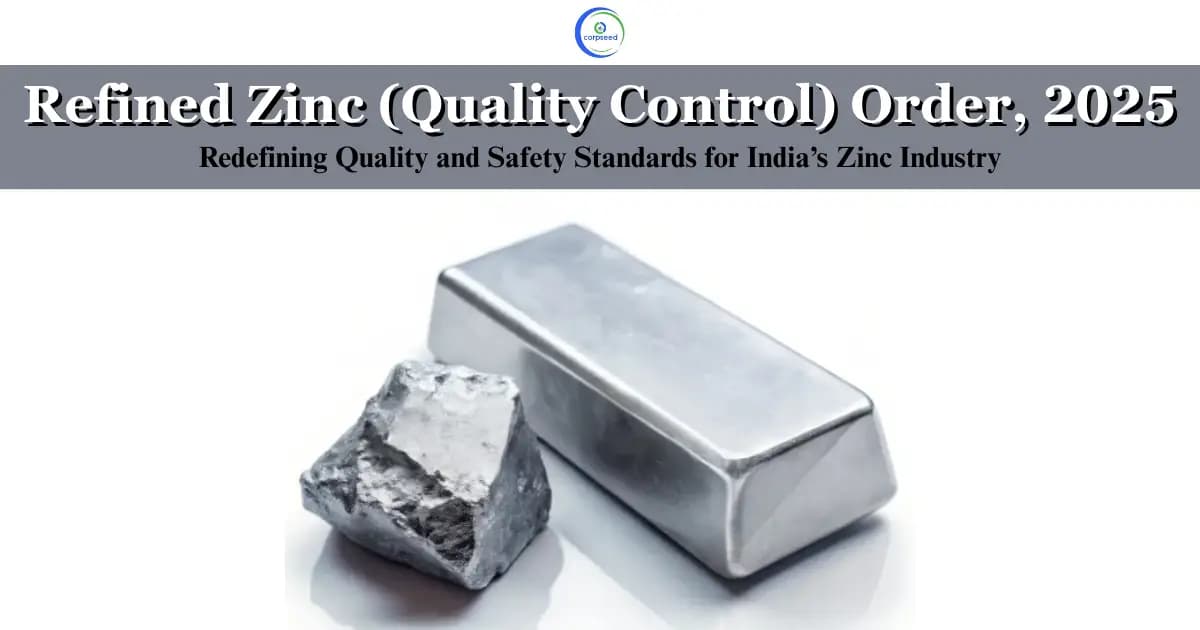
The Refined Zinc (Quality Control) Order, 2025 is a government regulation aimed at ensuring that refined zinc, a widely used material in Indian industries, meets the highest quality standard…
BEE registration is a certification program is administered by the Bureau of Energy Efficiency (BEE), under the Ministry of Power, Government of India.

India, as one of the fastest rising economies in the world, has become an attractive destination for foreign investment.

The purpose of the Refined Nickel (Quality Control) Order, 2025 is to regulate the quality of refined nickel used in various industries by ensuring compliance with Indian standards.
The Bureau of Energy Efficiency (BEE) is a statutory body recognized under the Energy Conservation Act, 2001, operating under the Ministry of Power, Government of India.
ISO 9001: 2015 is an international standard that highlights the requirements for the establishment and maintenance of a Quality Management System (QMS).
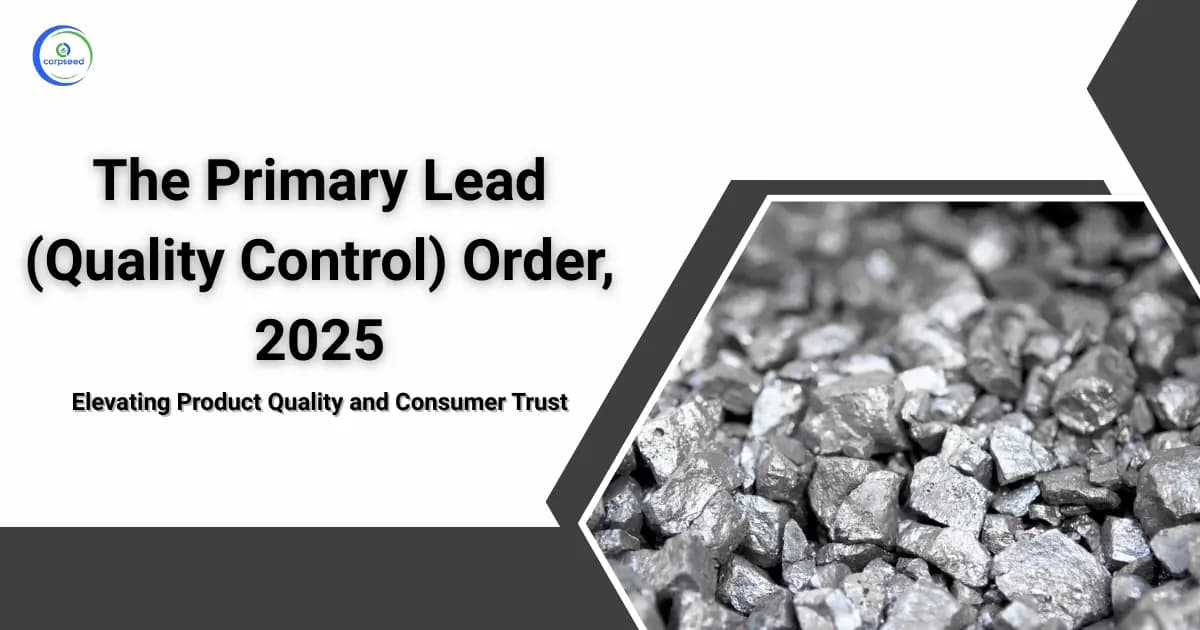
Officially named the Primary Lead (Quality Control) Order, 2025, this regulation will come into force six months from its publication, around 17th October 2025. This transition period allows…
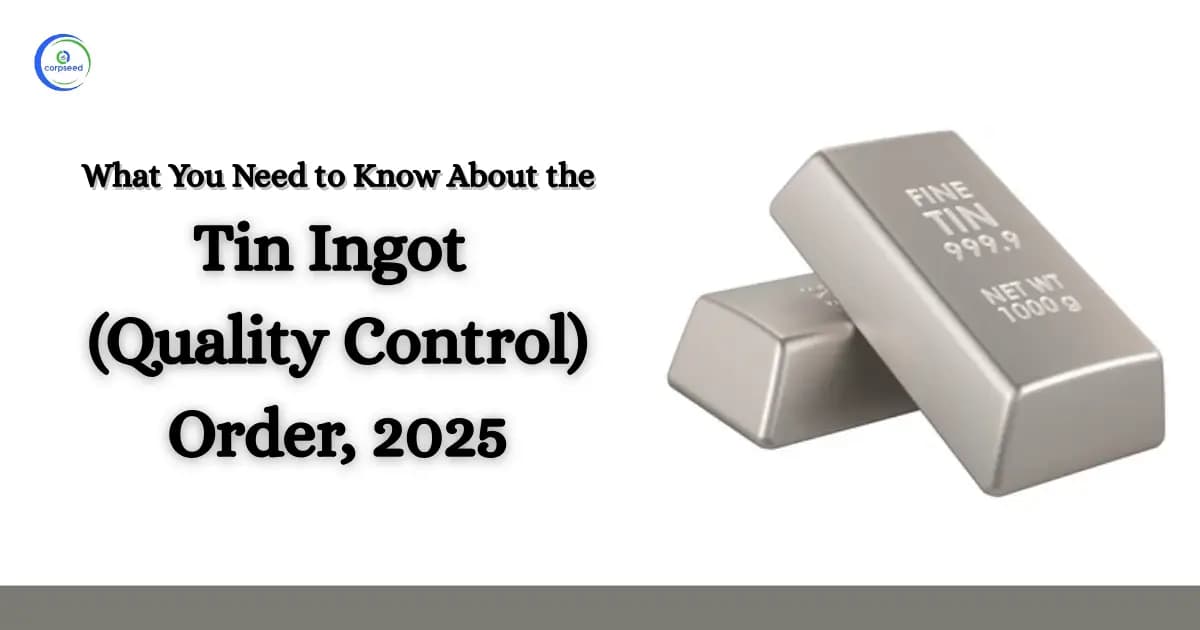
The Tin Ingots (Quality Control) Order, 2025 is a regulation that mandates compliance of tin ingots with specific quality standards set by the Bureau of Indian Standards (BIS).

A pollution certificate or pollution control license is a formal authorization issued by the State Pollution Control Board (SPCB) or Pollution Control Committee (PCC), under the broader guid…
Two of the most important of them are the Bureau of Energy Efficiency (BEE) and the Bureau of Indian Standards (BIS). Although both work under the Government of India, their roles are very d…
In 2025, the e-commerce has made BIS certification a compulsory requirement for specified product categories.

In an important step towards enhancing product quality and consumer safety, Amazon India has declared that BIS certification will now be mandatory for certain categories of products sold on …
Consent to Establish (CTE) is an initial environmental clearance that businesses need to obtain before beginning construction or installing any machinery.