
Loading...

Loading...
Articles, guides and latest updates — clean UI, fast reading, and category-wise browsing.
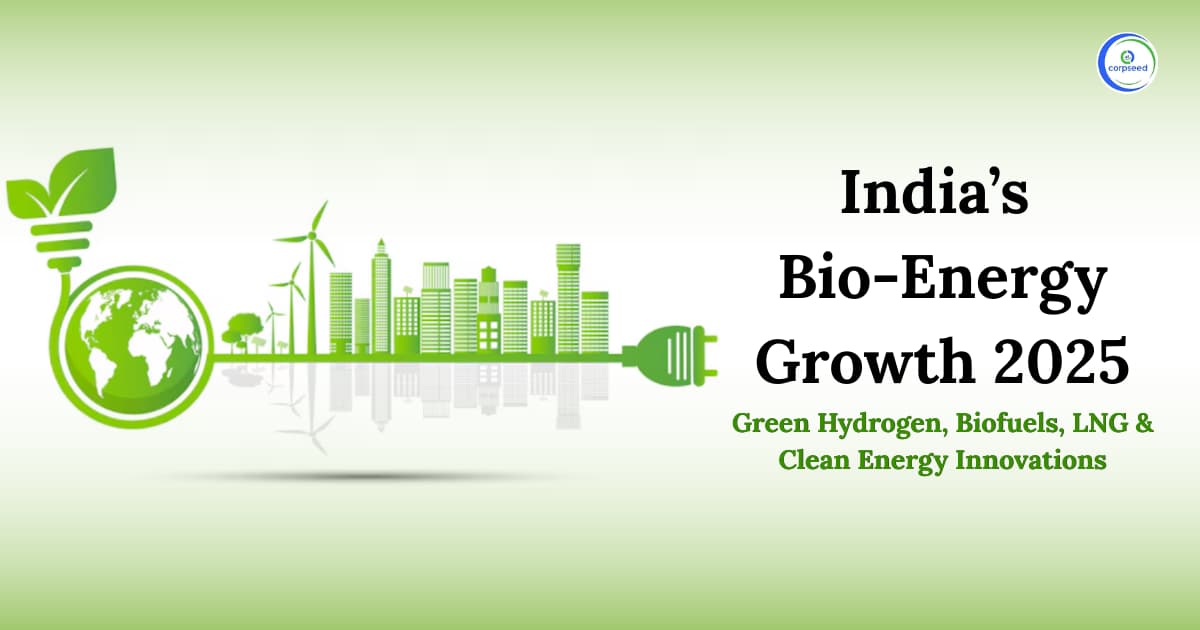
India’s bio-energy growth in 2025 focuses on green hydrogen, biofuels, LNG, and clean energy innovations supported by government initiatives and sustainable policies.
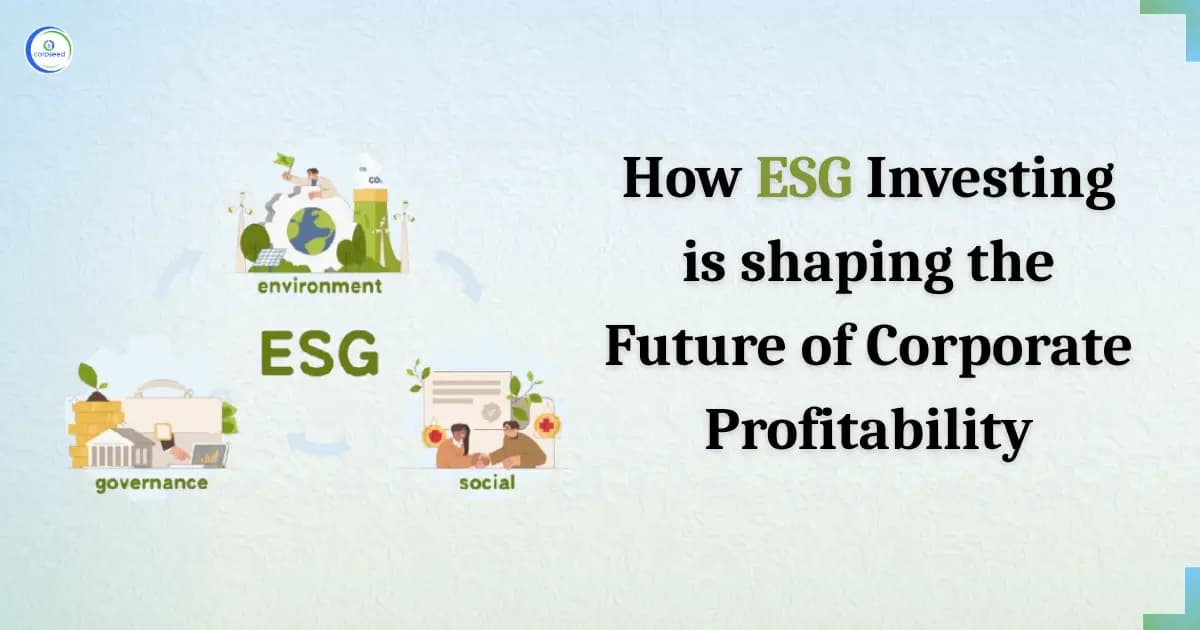
ESG investing refers to the practice of considering environmental, social, and governance factors when building investment decisions.
_CORPSEED.webp&w=1536&q=75)
The selection of wall putty plays a critical role in determining the longevity, safety, and aesthetic appeal of wall finishes. Products that are compliant with IS 17545:2021 and carry the BI…

Form ITR-V stands for Income Tax Return – Verification. It is a one-page acknowledgement issued by the Income Tax Department when a return is filed online without a digital signature or Aadh…

Selecting a purifier that carries the BIS Standard Mark ensures that it complies with the national safety and performance standards under IS 17531:2021. This provides assurance of safety, en…
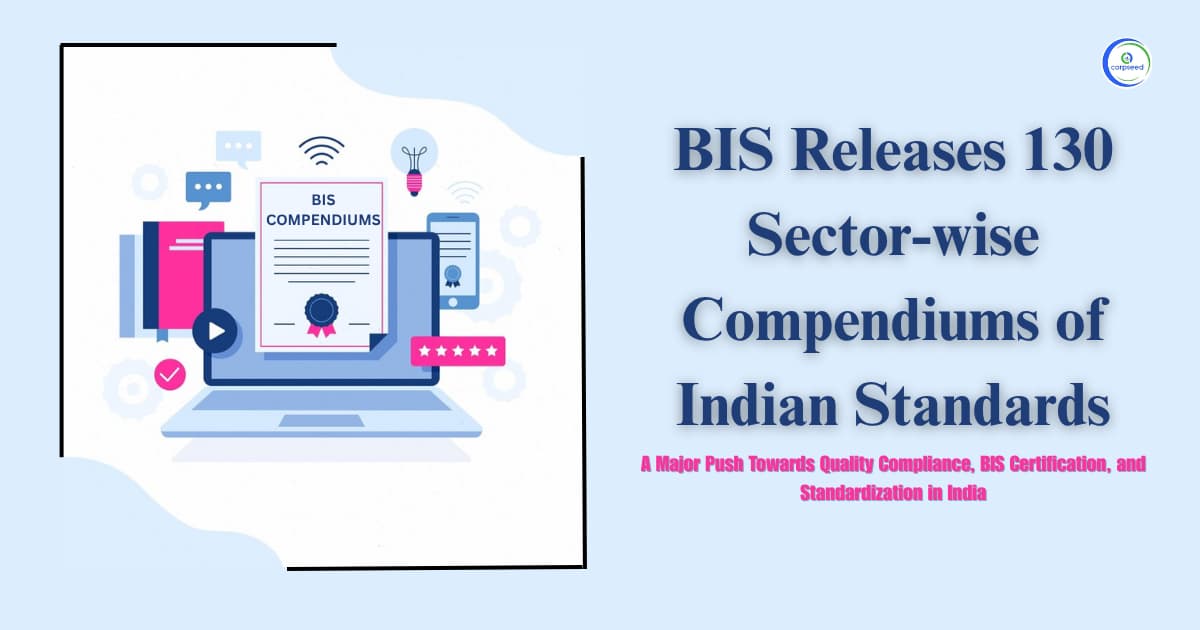
The Bureau of Indian Standards (BIS India) has introduced 130 sector-wise compendiums of Indian Standards. This initiative enhances access to standard reference documents for businesses, sta…

Udyam registration is a digital certification issued by the government that validly recognizes your enterprise as an MSME.
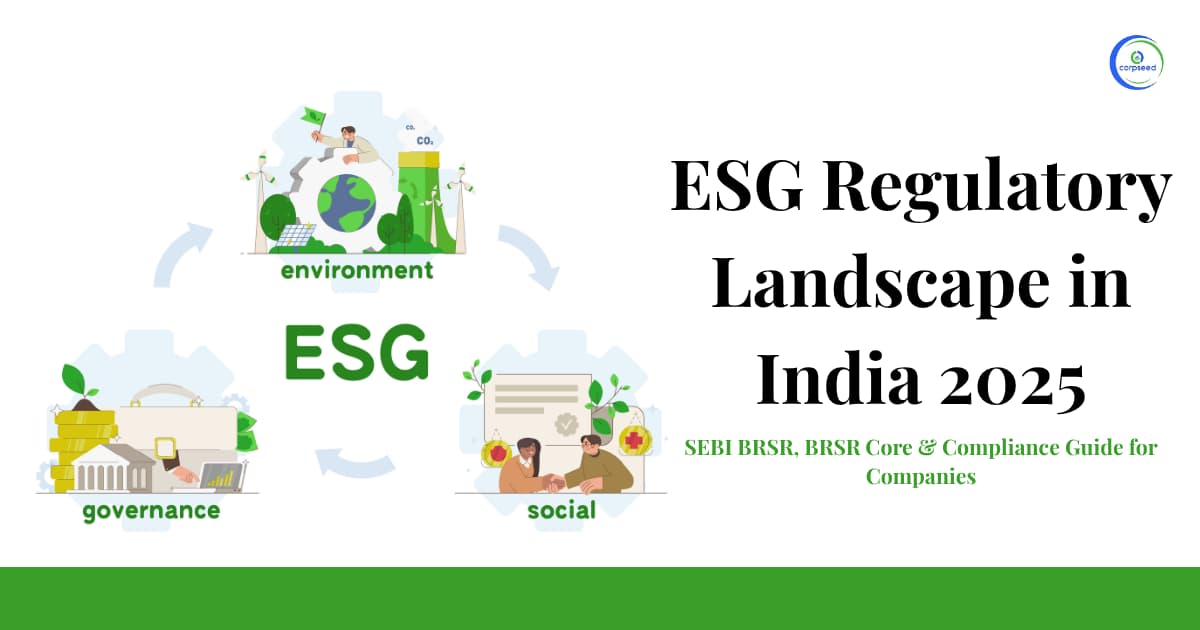
In 2025, the Securities and Exchange Board of India (SEBI) elevated ESG mandates by introducing the BRSR Core under the SEBI BRSR 2025 framework.
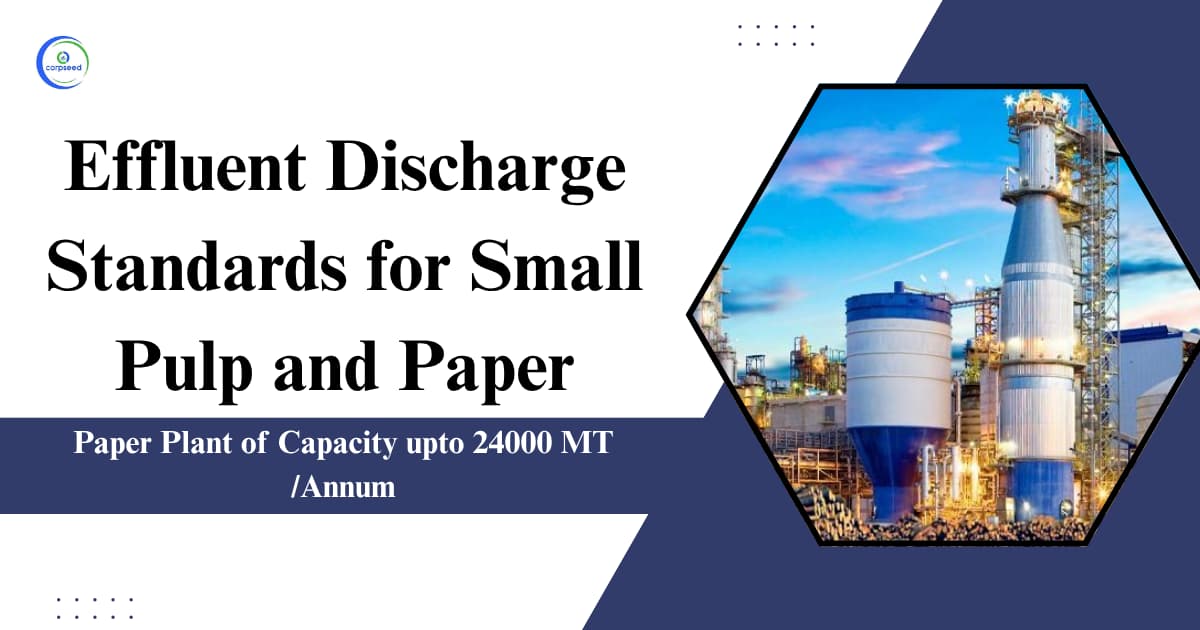
Small pulp and paper plants (≤24,000 MT/year) must follow different effluent discharge standards depending on the type of raw material used and the year of establishment.
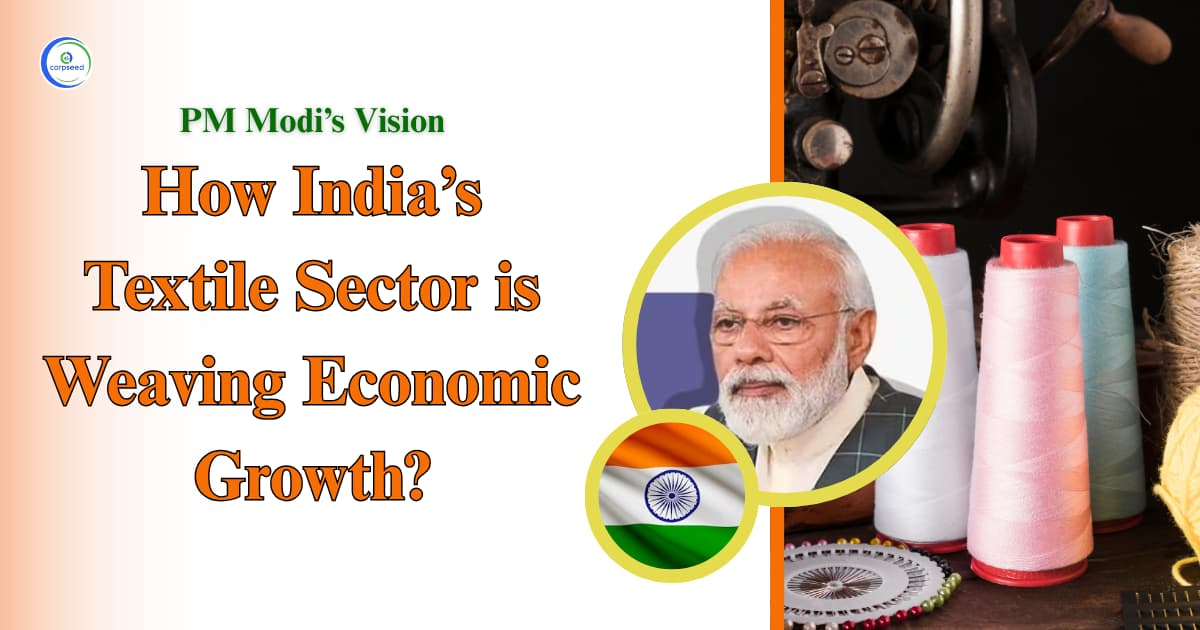
India’s textile sector is one of the oldest and most diverse industries in the country. It plays a critical role in shaping the economy, generating employment, preserving cultural heritage, …

The India UK FTA sets a new benchmark for digital-friendly and inclusive trade partnerships. By simplifying rules of origin, allowing self-certification for exporters, enabling UK importers …
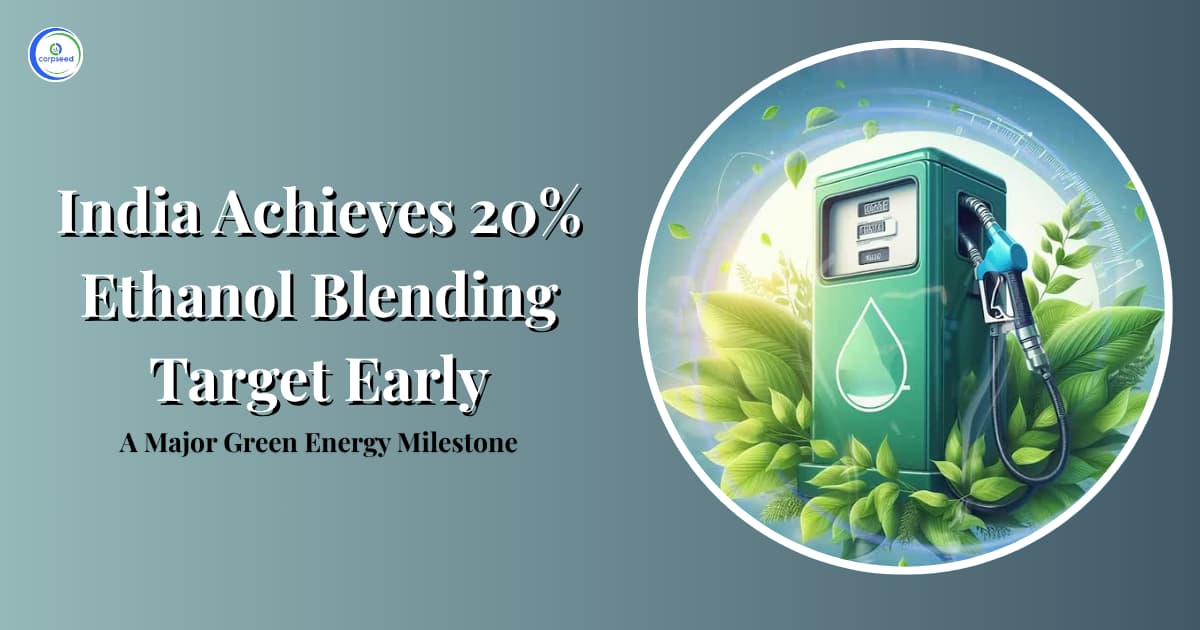
India achieves the 20% ethanol blending target early, reducing emissions, boosting the rural economy, and enhancing energy security ahead of the 2030 goal.
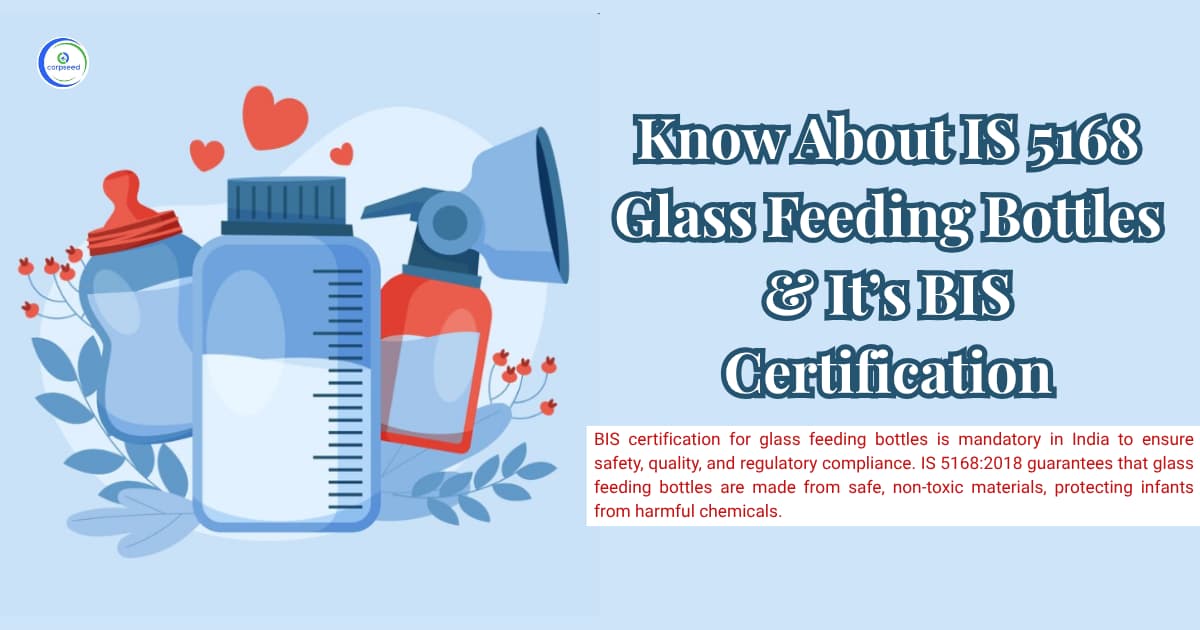
BIS certification for glass feeding bottles is mandatory in India to ensure safety, quality, and regulatory compliance.
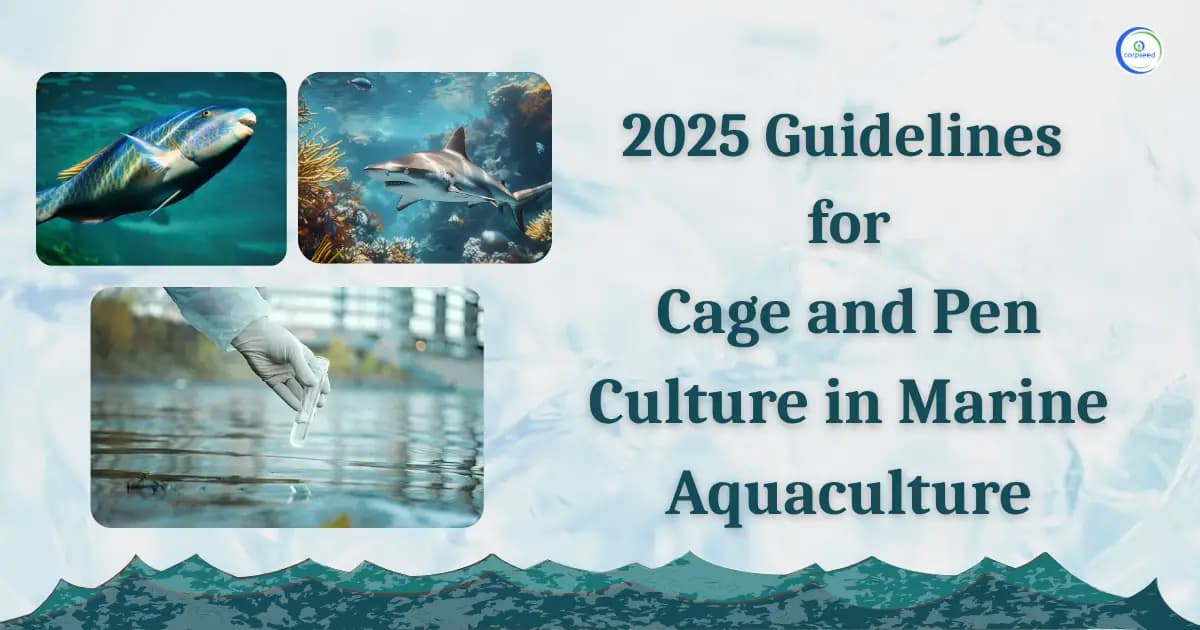
In 2025, the Ministry of Fisheries, Animal Husbandry and Dairy Production will issue new instructions for the regulation of cages and pen culture for marine and brackish water aquaculture sp…

India’s semiconductor sector is going through a major transformation, driven by record investment and robust support from the Government of India.
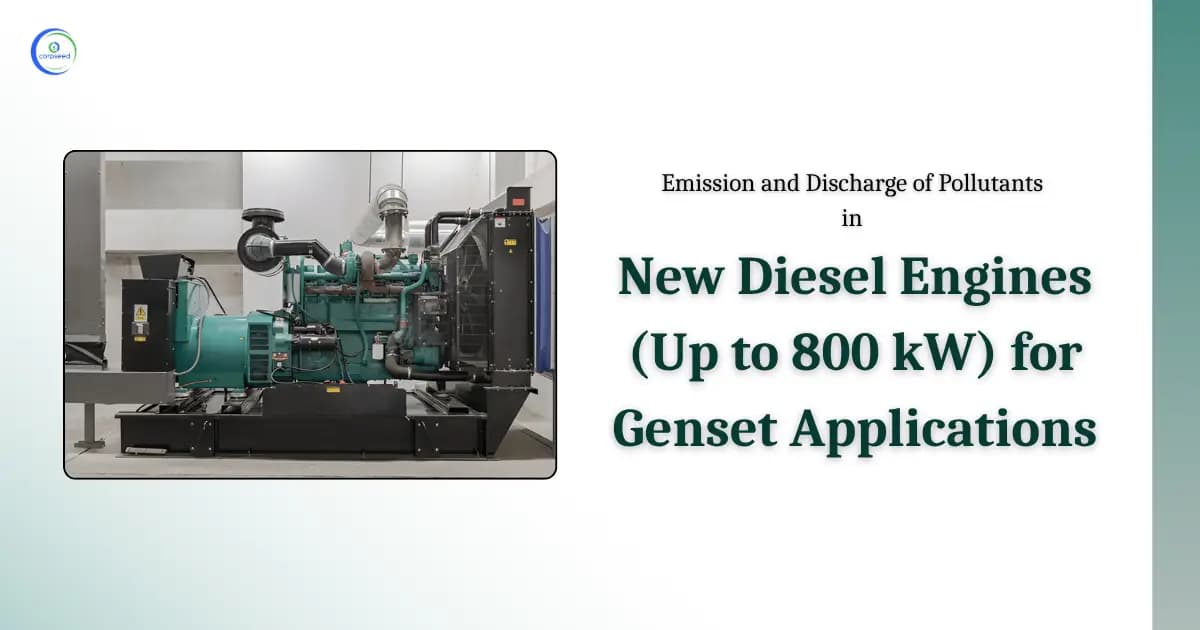
The regulation of emissions from diesel engines used in generator sets (Gensets) is an essential part of India’s efforts to mitigate the environmental impact of industrial activities.

With the signing of the India-UK Comprehensive Economic and Trade Agreement (CETA), both countries have paved the way for a future of economic prosperity.
_Corpseed.webp&w=1536&q=75)
The standards for emission or discharge of environmental pollutants for large pulp and paper plants with capacity exceeding 24000 MT per annum is crucial for maintaining environmental qualit…
.webp&w=1536&q=75)
The Ministry of Environment's notification outlines amendments to the Environment (Protection) Rules, 1986, including new pesticide industry effluent and emission standards.
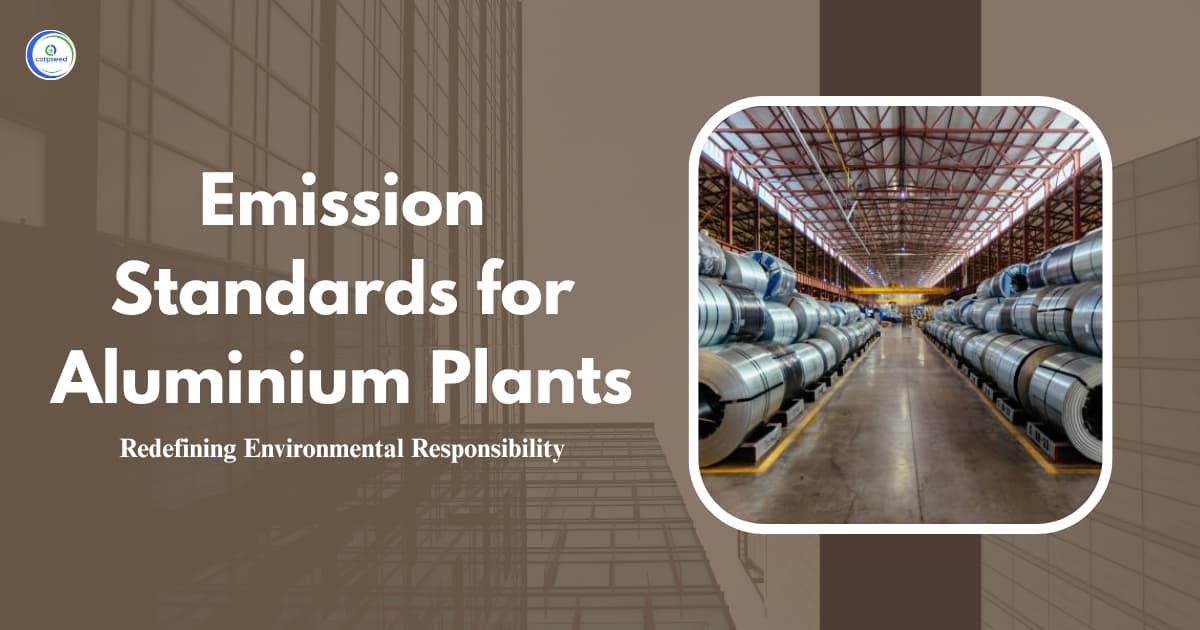
The Environment (Protection) Fifth Amendment Rules, 2025 impose stricter emission standards on improving environmental compliance and reducing the industry’s carbon footprint.
Top Articles

Download Appointment Letter Format in Word and PDF
2022-02-17 • 239733 views
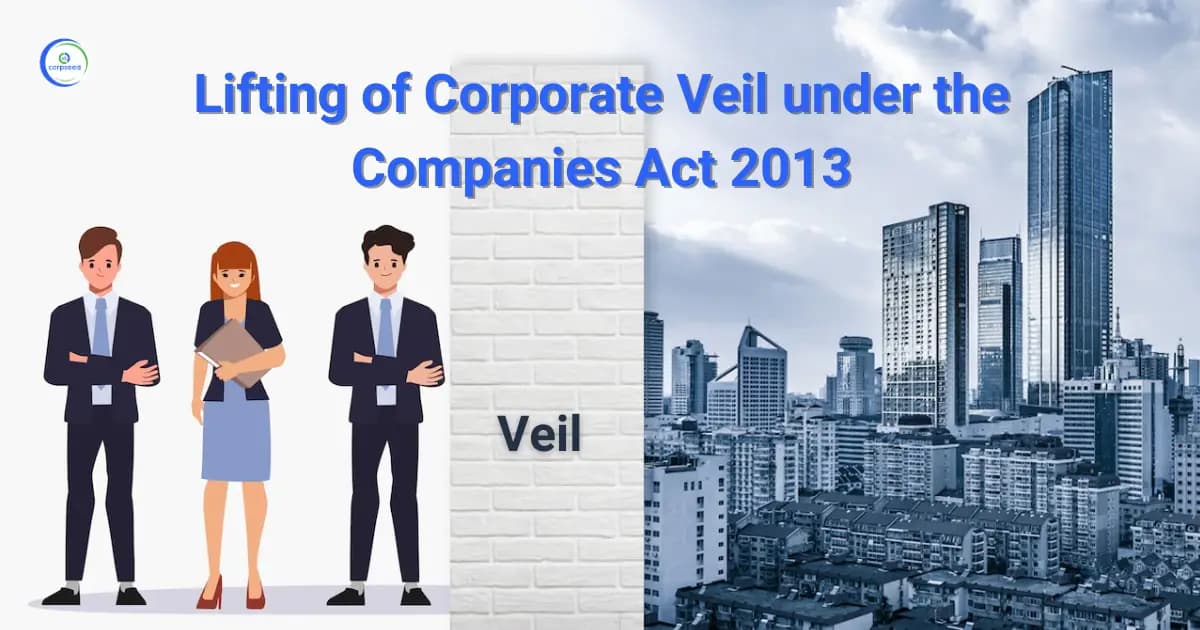
Lifting of Corporate Veil under the Companies Act 2013
2023-08-24 • 205631 views

Download Rental Agreement Format | Free Online Download Sample Format PDF, Word
2021-10-21 • 172051 views

Roles and Functions of Ngo in India
2021-12-08 • 111565 views

CA Certificate Format For Pollution Control Board
2022-06-22 • 100081 views