
RBI Strengthens Digital Payment Protection for Bank Customers
On February 6, 2026, the RBI announced that it would update its rules to provide stronger protection for bank customers who lose money in unauthorised digital transactions. On March 6, 2026, the RBI released draft Amendment Directions and invited public feedback before April 6, 2026.
Schedule a Call Back
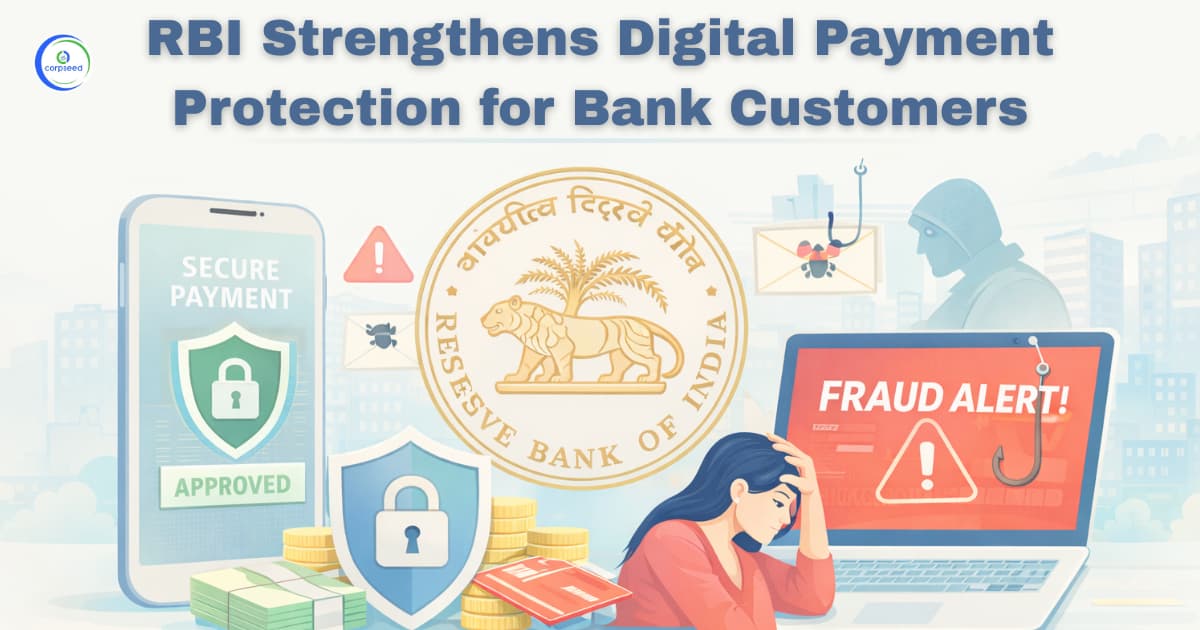
Every day, millions of people in India make digital payments through UPI, net banking, mobile wallets, and debit or credit cards. But what happens when someone steals money from your bank account without your permission? Who pays for that loss? For a long time, the rules around this were unclear for many types of digital transactions.
The Reserve Bank of India (RBI) has now taken a major step to fix this. On February 6, 2026, the RBI announced that it would update its rules to provide stronger protection for bank customers who lose money in unauthorised digital transactions. On March 6, 2026, the RBI released draft Amendment Directions and invited public feedback before April 6, 2026.
Schedule a Call Back
What are these New RBI Draft Directions About?
The RBI last issued instructions on limiting customer liability in electronic banking transactions in 2017. A lot has changed since then. Digital payments have grown rapidly. New types of fraud have also appeared. The existing rules did not cover all kinds of fraudulent electronic banking transactions.
To bridge these gaps, the RBI has proposed new Amendment Directions for seven types of banks. These include Commercial Banks, Small Finance Banks, Payments Banks, Local Area Banks, Regional Rural Banks, Urban Co-operative Banks, and Rural Co-operative Banks. All these directions fall under the RBI's Responsible Business Conduct framework.
Key Changes That Directly Protect You
The main changes are:
- Wider Coverage: The updated rules expand the scope of protection. Earlier rules covered only certain types of electronic banking fraud. The new directions also cover other categories of fraudulent electronic banking transactions. This means that more situations where a customer loses money due to unauthorised transactions will now be covered by protection.
- Faster Complaint Resolution: The banks are now going to be forced to process the fraud complaints at a much higher rate than previously. Victims are financially strained after spending long periods in queues. The new rules will reduce the time it takes banks to respond to complaints about fraudulent electronic banking transactions. A faster response will result in relief to the affected customers.
- Compensation for Small Value Fraud: This is perhaps the biggest change. The RBI will introduce a compensation mechanism specifically for small-value fraudulent electronic banking transactions. Many victims of small-amount fraud never get their money back because the process is too complicated. This new mechanism changes that directly.
How will the RBI Compensation Mechanism Work?
The RBI compensation mechanism for small-value fraudulent transactions will stay active for one year from the date these new directions take effect. During this one year, the RBI will share in the compensation paid to fraud victims along with the banks.
After one year, the RBI plans to review the results. The goal of this review is clear, to increase the bank's share of compensation and, over time, reduce or eliminate the RBI's share. This means banks will gradually assume greater responsibility for protecting their customers from digital fraud.
This step shows that the RBI wants banks to take digital payment security more seriously. It also gives fraud victims real, tangible relief, not just promises.
Who can Give Feedback and How?
The RBI has opened the draft Amendment Directions for public feedback. Regulated entities, including banks, as well as members of the public and other stakeholders, can share their comments by April 6, 2026. This public consultation process shows that the RBI values the views of ordinary citizens.
Feedback can be submitted in two ways. The first option is through the 'Connect 2 Regulate' section on the RBI website, where users can find a link for each specific draft direction. The second option is to send an email with the subject line 'Feedback on', followed by the full name of the relevant draft direction and the type of regulated entity.
Sharing feedback gives people the chance to shape rules that directly affect their money and their safety in the digital world.
Why this Update Matters for Every Digital Payments User?
Digital payment fraud is a growing problem in India. Cybercriminals use phishing, SIM swapping, vishing calls, and fake apps to steal money from bank accounts. This makes the victims feel helpless, as they cannot demonstrate that they did not approve the transaction or that the complaint-filing process is too long. These recent RBI guidelines reform this helplessness. Better coverage implies that more types of fraud are covered. Shorter complaint cycles decrease the anxiety and loss of money. The compensation mechanism for small-value fraud ensures that even people who lose small amounts get justice.
For banks, these rules send a strong message, customer safety in digital transactions is not optional. Banks will need to build better fraud-detection systems, faster grievance-redressal mechanisms, and more transparent communication with customers.
Conclusion
The RBI's decision to revise its digital payment fraud coverage guidelines in 2026 is a major success for bank clients in India. These new directions provide real protection, quick resolution of complaints, and real compensation in the event of an issue. Every person who practices digital banking, which is nearly everyone nowadays, must know about these changes.
This public feedback period will run through April 6, 2026. Each citizen can take advantage of opportunities to engage and influence the regulations that safeguard their hard-earned money online. Do not miss this opportunity to make your voice heard.
About the Author

Mahek Sancheti
Content WriterMahek Sancheti, BAJMC graduate with a deep passion for writing. As a content writer, video content creator, creative content creator, and scriptwriter, I bring stories to life through words and visuals. I honed my skills by working with a prominent news agency, where I excelled in crafting compelling narratives and engaging content. Coming from a journalism and mass communication background I have skills to craft engaging narratives that captivate audiences. With a keen interest in writing and creativity, I aim to deliver impactful and meaningful content that resonates with diverse audiences.
https://www.linkedin.com/in/mahek-sancheti-837196212
Related articles

IFSCA GPU Leasing Rules 2026: New Opportunities for AI and Data Centre Businesses
2026-11-04
GST on Waste and Scrap 2026: New RCM, TDS & Registration Rules
2026-10-30
How RBI’s FEMA 2026 Regulations Impact Money Changers and Forex Businesses in India
2026-05-12

RBI Prudential Norms on Specified Non-financial Assets (SNFA) Directions 2026
2026-05-12
FEMA Registration Process, Compliance, and Requirements
2025-09-10
Understanding the Regulatory Landscape for Foreign Investments in India
2025-04-23