
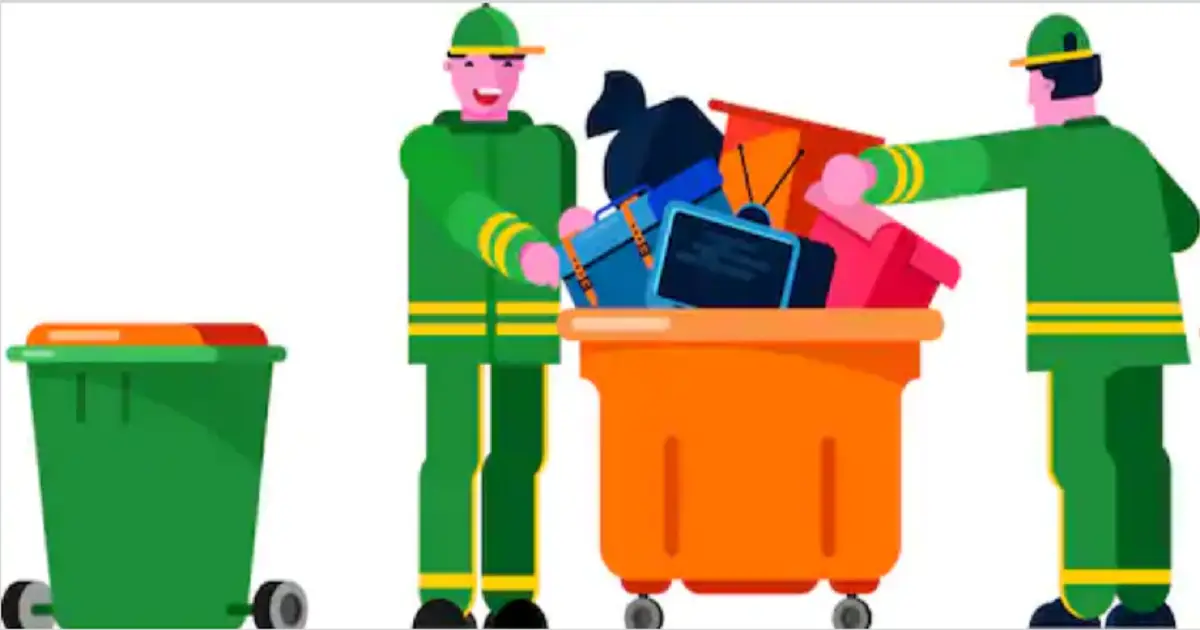
E-Waste Management - What is Extended Producer Responsibility (EPR) for electronic and electric items In India?
by Vinay Singh on 2021-08-07
In this topic, we are going to cover the responsibility of Electronics Manufacturers, Electronics Producer, Electronics Bulk Consumer, Electronics Recycler, Electronics Dismantler, Electronics Dealer and Electronics Collection Centres
Direct Tax and Indirect Tax
by Shamshad Alam on 2021-08-07
Taxation is very import part of life across the globe. Most of the country’s government generate their income from the taxation system only.

CE Marking
by Shamshad Alam on 2021-08-07
CE marking is a mark that indicates conformity with health, safety, and environmental protection standards for products sold within the European Economic Area (EEA).
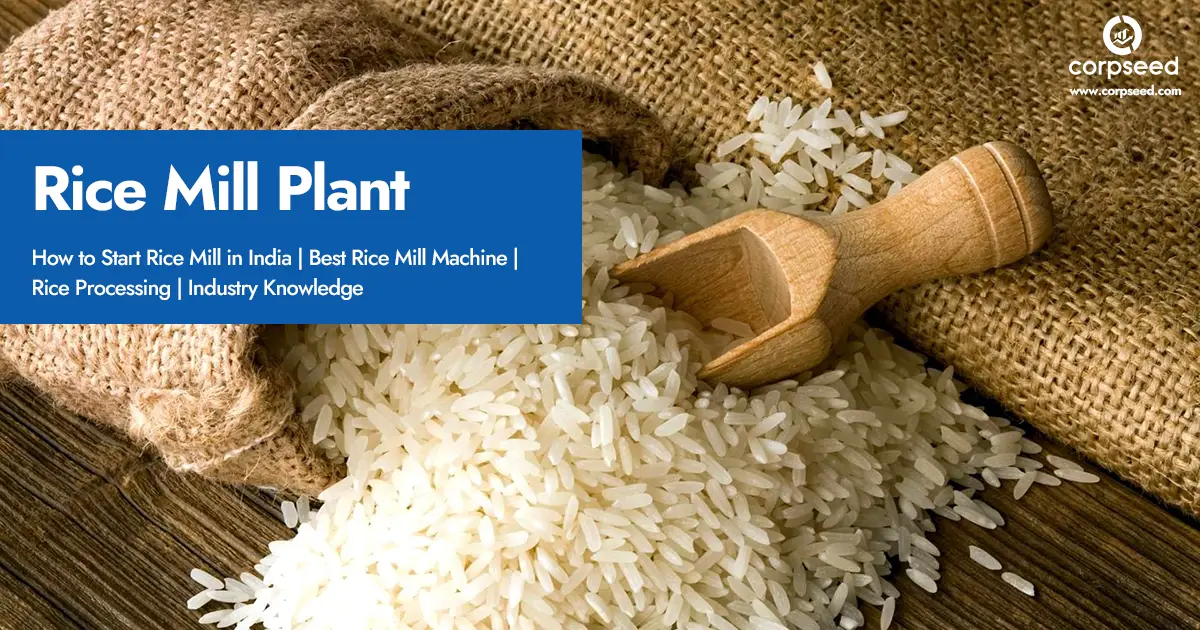
How To Start Rice Mill Industry in India - Manufacturing Business
by Vinay Singh on 2021-08-07
As a highest source of nourishment for over half the world's population, rice is by far one of the most essential commercial food crops. Its yearly yield worldwide is approximately 535 million tons. Fifty countries yield rice, with China and India they are supportive 50% of total production.
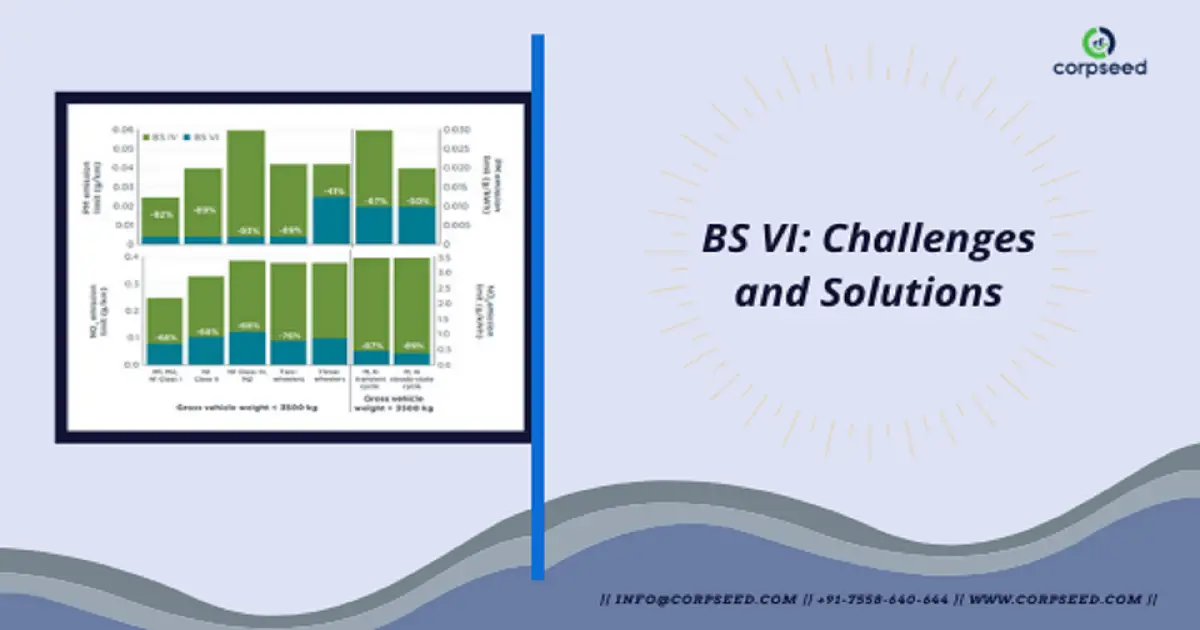
BS VI Challenges and Solutions
by Shamshad Alam on 2021-08-07
The Bharat Stage (BS) is the emission standards organized by the Government of India to direct the yield of air toxins from inside burning motors, including engine vehicles.

What is NBFC - Microfinance Institution (MFI – NBFC)
by Vinay Singh on 2021-08-07
Microfinance is the financial service that provides access to various financial services such as credit, savings, micro-insurance, remittances, leasing to low-income individuals including consumers and the self-employed, who traditionally lack access to banking and related services. The main objective is to provide a permanent access to appropriate financial services which include insurance, savings, and fund transfer. It plays a significant role in bridging the gap between the formal financial institutions and the rural poor. Micro Finance Institution has become more widely accepted and moves into main stream, the supply of services to poor may also increase, improving the efficiency and outreach while lowering the costs.