
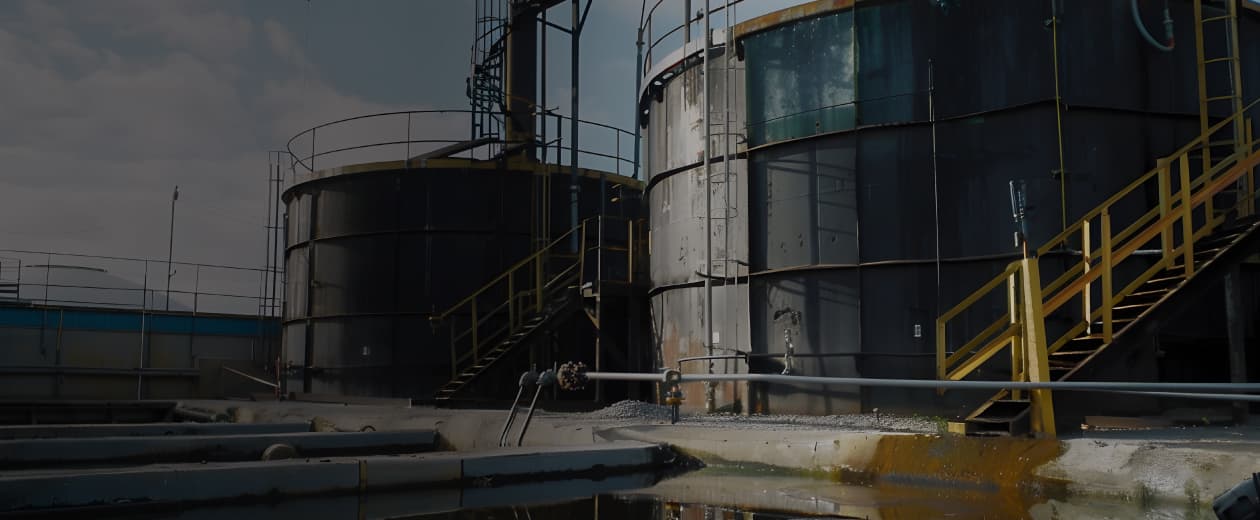
Used Oil Recycling Plant Setup
Used oil recycling involves reprocessing contaminated lubricants into reusable products, conserving resources, and reducing environmental impact. It encompasses collection, filtration, decontamination, and re-refining to produce high quality recycled oil.

Schedule a Call Back
Businesses we've worked with
Showing 348 clients- Plant setup clients (DPR, CTE, CTO)
- Servotech Renewable Power System · Intangles Lab · Alten India · Saurya Urja Company of Rajasthan · 20Cube Logistics Solutions · Adit Buildwell · Bake Wish · Ecowise Trading · Magnum Aluminium · PMS Waste Management · GS E-Commerce · Beaucience India · Jiva Ayurveda Pharmacy · Radical Aftermarket Services · SNS Metpro Industries · Enershell Alloys and Steel · Gorevive · Innovation Elephants · P P Bafna Ventures · Sun Mobility · Daebak India Recycler · Ganesh Foundry & Cast · Ganix Rubber Recycling · Pashidaa E Waste Copper Battery Recycling PLT Company · RSV Seeds & Agro Chemicals Products · Boulevard Hotel and Resorts · Dev Plast Privat E · Flexfit Activewear · Resurge Green Tech · SAM Constructions · Abhinandan Jan Kalyan Society · GCM Carbon · Infrathon Projects · Inland Speciality Metals · Moore Pipe India · R K Laxmi General Sales · S G Overseas · Shreeji Anand Resort · SR Polygrain · Switch 2 Nature · Blubble · M-Swasth Solutions · Krisba Healthcare · Meritech India · Proximise · Enzolt Energy · Rays Global Energypower · Champion EL COM · +45 more























Industries
Recycling & Waste Management
Recycling is an essential part of waste management. It helps to conserve natural resources, reduce landfill waste, conserve energy, and crea...
KNOW MORE ›Trading Business
Trade of a business reflects the value of services exchanged between domestic and foreign economic members, including the value of services ...
KNOW MORE ›Chemicals
There has been a global shift towards Asia as the world’s chemical manufacturing hub lately. The future of the chemical industry in India de...
KNOW MORE ›Used Oil Recycling Plant Setup Industry in India
The treatment of oil used is an important factor in environmental management and resource management, focusing on the recovery and reuse of lubricants, reaching the end of lubricating oil. This process is not only helpful in relieving environmental pollution but also holds valuable resources by processing oil used with new products. This industry is becoming increasingly important as large amounts of used oil continue to be generated by global industrial activities and vehicle use.
Understanding the Used Oil
The oil used mainly refers to a lubricant. The lubricant was contaminated during use in the engine, machine, or industrial process. Includes engine oil from vehicles, hydraulic oils from machines, and gearboxes for various industrial applications. This oil is contaminated with metals, dirt, chemicals, and other contaminants and can pose serious environmental and health risks if not properly managed.
Types of Used Oil Recycling Plant Sector in India
- Motor oil: Produced from motor vehicles such as cars, trucks, and motorcycles.
- Transmission fluid: Used in vehicle transmission systems that can deteriorate over time.
- Hydraulic oil: Used in Industrial machinery and equipment, which may contain additives that break down.
- Gear oil: Used in transmissions and differentials and often contains powerful additives.
Benefits of Used Oil Recycling Plant Industry
- Environmental protection: Recycling used oil prevents soil and water pollution. If properly managed, it minimizes the risk of spills and leaks that can have a significant impact on the environment.
- Saving resources: Processing used oils restores basic oil and valuable basic additives, reducing the need for virgin oil and the preservation of natural resources.
- Economic Economy: Removal of petroleum used is economically effective about new oil production from raw materials. It also supports the development of the recycling economy, which is reused and reused to create new products.
- Energy efficiency: Repeated delays in the used oil require less energy than discarding raw oil from zero, which will reduce energy consumption and reduce greenhouse gas emissions.
Recycling Process of Used Oil Recycling
Recycling used oil involves several important steps designed to remove contaminants and return the oil to a usable state. The main stages in the recycling process are:
- Collection and Transportation: Used oil is collected from various locations such as automotive service centers, factories, and residential areas. Then, it is transported to the elimination of funds safely, protected against the leaks of the containers to avoid spills and pollution.
- Preliminary treatment and filtration: The oil collected is subject to initial filtration to remove large pollutants, such as dirt and metallic particles. This step may also include water separation to remove any water mixed with the oil.
- Decontamination: Advanced technologies are employed to remove smaller contaminants, including chemical additives and oxidation products. This may involve processes such as distillation, solvent extraction, or chemical treatment.
- Re-refining: The refined oil is then re-refined to restore its original properties. This process typically includes vacuum distillation to separate the oil into different fractions based on boiling points, followed by hydro finishing or hydrocracking to enhance the oil’s quality.
- Blending and Additives: Once re-refined, the oil is blended with new additives to meet the performance specifications required for its intended use, such as engine oil or industrial lubricant.
- Quality Control: The final product undergoes rigorous testing to ensure it meets industry standards and specifications before being distributed for reuse.
- Distribution and Use: Recycled oil is distributed to various industries and consumers for use in engines, machinery, or as a base stock for new lubricants.
Market Trends of Used Oil Recycling Plant Setup Industry
The used oil recycling industry is influenced by a variety of market trends.
- Regulatory Framework: Government regulations and standards are essential to promote the recycling industry. Regulations often mandate the collection and recycling of used oil, with incentives and penalties in place to ensure compliance.
- Technological advances: Continuous advances in refining technologies are increasing the efficiency and effectiveness of oil refining. Innovations in filtration, distillation, and additive technologies are improving the quality of refining oil.
- Economic factors: Fluctuations in oil prices can affect the economics of waste oil recycling. Lower crude oil prices can reduce the economic incentive for refining, while higher crude oil prices can make refining more economically attractive.
- Consumer Awareness: Rising environmental awareness among consumers and businesses will drive the demand for recycled oil products. Increased emphasis on sustainability and corporate responsibility will contribute to the growth of the market.
- Industry Demand: The demand for recycled oil is driven by the needs of various industries such as automotive, manufacturing, and fabrication, which require high-quality lubricants and oils.
Challenges and opportunities of Used Oil Recycling Plant Setup Sector
The used oil recycling industry faces many challenges:
- Pollution control: The handling and treatment of highly contaminated oils is difficult and expensive. Ensuring that all impurities are effectively removed is essential to producing high-quality recycled oil.
- Infrastructure development: Developing and maintaining recycling infrastructure requires significant investment. It includes areas for collection, processing, and distribution as well as technical updates.
- Compliance: Navigating and following environmental regulations is difficult. Compliance requires robust systems and processes to manage waste and ensure safe recycling.
- Economic viability: The economics of oil recycling are affected by fluctuating raw material prices and competition from renewable oil production. Maintaining profitability while offering competitive prices is a major challenge.
Despite these challenges, the industry offers many opportunities:
- New technology: Advances in recycling technology provide opportunities for more efficient processing and higher quality products. Investing in research and development can improve processes and reduce costs.
- Market expansion: As the world's awareness of environmental issues increases, the expansion of the recycled oil market will increase. New markets and new applications for recycled products provide growth opportunities.
- Integrating the circular economy: Integrating used oil recovery into broader circular economy strategies increases resource efficiency and sustainability. Collaboration with businesses and decision-makers leads to systemic change.
- Sustainable practices: An increasing focus on sustainability and social responsibility is encouraging the industry to adopt recycling practices and support the circular economy. This trend creates demand for recycled oil and drives the growth of the industry.
Future Outlook of Used Oil Recycling Plant Industry
The future of the used oil recycling industry looks bright, with several trends shaping its development.
- Improved recycling technology: Continuing innovation in recycling technology will increase the effectiveness and efficiency of waste oil processing. This includes advances in filtration, distillation, and additive technologies.
- Strengthened regulatory support: Strengthened regulatory support and incentives for recycling will support industry growth. Governments are likely to introduce stricter regulations and provide financial incentives for recycling activities.
- Increasing market demand: The demand for recycled oils is expected to increase as industry and consumers place increasing emphasis on sustainability and environmental responsibility. This trend will drive market expansion and investment in recycling infrastructure.
- Integration of the circulating economy: The integration of spent oils into the circulation economy improves resource efficiency and sustainability. Various sectors and sector cooperation support the development of a more stable waste management system.
- Global Expansion: Emerging markets are expected to see increased investment in waste oil recycling infrastructure and technology. As these markets grow, it will drive global growth and innovation in the industry.
The used oil recycling industry plays a vital role in environmental protection and resource conservation. By efficiently processing used oil and turning it into reusable products, the industry reduces pollution, protects natural resources, and supports sustainable practices. As technology continues to advance and regulatory frameworks evolve, the industry is well-positioned to grow and innovate. Seizing opportunities to improve and expand will drive the industry forward and contribute to a more sustainable future.
Why Corpseed?
Corpseed can assist the used oil recycling industry by providing expertise in regulatory compliance, project planning, and technology integration. They help with obtaining necessary permits, optimizing recycling processes, and implementing advanced technologies for efficient oil reprocessing.
Enquiry Now
Used Oil Recycling Plant Setup
Enquiry Now
Used Oil Recycling Plant Setup
Industries We Cater To
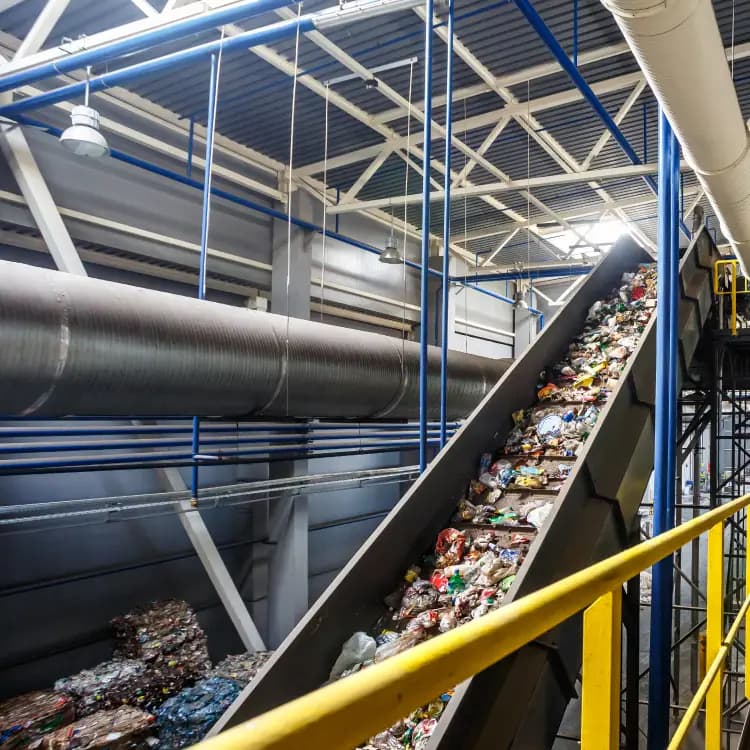
Recycling & Waste Management
Recycling is an essential part of waste management. It helps to conserve natural resources, reduce landfill waste, conserve energy, and create jobs. Recycling is easy and can be done by anyone.
KNOW MOREFrequently Asked Questions
Quick answers to common questions about this service.
What is Used oil recycling?
Waste oil recycling involves collecting, recycling, and re-refining used lubricating oil to remove contaminants and return it to a usable state, thus conserving resources and reducing environmental pollution.
Why is waste oil recycling important?
Recycling used oil helps prevent environmental pollution, conserves natural resources, reduces the need to produce new oil, and minimizes the environmental impacts of improper disposal.
What types of used oil can be recycled?
Used oils that can be recycled include engine oil, transmission fluid, hydraulic oil, gear oil, etc. These oils are collected from vehicles, equipment, and industrial processes.
How is used oil collected and transported for recycling?
Used oil is collected from various sources, such as auto repair shops and industrial facilities, and then transported in secure, sealed containers to a recycling facility for processing.
What processes are involved in recycling used oil?
The refining process typically includes collection, filtering, decontamination, re-refining, additive blending, and quality control before the recycled oil is distributed for reuse.
Can used oil be recycled several times?
Used oil can be recycled multiple times, but with each cycle, the quality of the oil can deteriorate due to the build-up of contaminants. Advanced processing techniques aim to maximize oil suitability and quality.
What are the environmental benefits of recycling used oil?
The use of oil reduces the risk of soil and water pollution, maintains natural resources, reduces energy consumption compared to the production of new oil, and minimizes the emission of greenhouse gases.
How do I properly dispose of used oil?
Used oil should be taken to special collection points, such as auto repair shops or recycling plants. Do not dispose of used oil down drains or on the ground with regular trash.
What are the challenges in recycling used oil?
Challenges include managing heavily contaminated oil, maintaining profitability amid fluctuations in crude oil prices, and ensuring regulatory compliance throughout the recycling process.
What are the future trends in waste oil recycling?
Future trends include advances in recycling technologies, strengthening regulatory support, growing market demand for recycled oils, and integration into broader circular economy strategies.