
Renewable & Biofuels Energy
Biofuels are typically liquid fuels and blending components made from feedstocks, which are biomass materials. Biofuels can also consist of methane derived from landfill gas, biogas, and hydrogen derived from renewable sources.

Schedule a Call Back
Businesses we've worked with in renewable energy
Showing 320 clients- Renewable energy and batteries
- Servotech Renewable Power System · Saurya Urja Company of Rajasthan · Servotech Power Systems · Bitek Solar · Sri Savitr Solar · Solaredge Technologies (India) · Sun Mobility · Nash Energy (I) · Mindra Green Energy · Kalpa Power · Sodion Energy · Amperehour Solar Technology · Ayana Renewable Power · Ayana Renewable Power Three · Krannich Solar · Kratus Solar Solutions · Maxvolt Energy Industries · Rays Power Infra · Rugged Solar Products · Sunce Renewables · +17 more























Industries
Recycling & Waste Management
Recycling is an essential part of waste management. It helps to conserve natural resources, reduce landfill waste, conserve energy, and crea...
KNOW MORE ›Trading Business
Trade of a business reflects the value of services exchanged between domestic and foreign economic members, including the value of services ...
KNOW MORE ›Chemicals
There has been a global shift towards Asia as the world’s chemical manufacturing hub lately. The future of the chemical industry in India de...
KNOW MORE ›How To Setup Renewable And Biofuels Energy Industry
“A transition to clean energy is about investing in our future.”
As per the REN21 Renewables 2023 Global Status Report, India ranks 4th globally in Renewable Energy Installed Capacity (including Large Hydro), 4th in Wind Power capacity, and 5th in Solar Power capacity. India has increased its target to achieve 500 GW of non-fossil fuel-based energy by 2030 at COP26. This has been a crucial promise made as part of the Panchami. This marks the most extensive renewable energy development initiative globally.
In the past 8.5 years, India has seen a nearly 400% rise in its non-fossil fuel capacity, reaching over 199.85 GW, which accounts for 45.1% of its total capacity as of April 2024. In 2022, India had the largest increase in renewable energy installations with a year-on-year growth rate of 9.83%. In the past 9 years, the solar energy capacity has grown 30 times and now totals 82.63 GW as of Apr 2024. The National Institute of Solar Energy (NISE) estimates that India has a solar energy potential of 748 GWp. The Renewable energy capacity (including large hydro) has nearly doubled since 2014. Renewable energy generation and distribution projects can receive up to 100% FDI through the automatic route, as long as they comply with The Electricity Act 2003.
Project Planning For Implementing Renewable And Biofuels Energy Sector
India has established a goal to decrease the carbon intensity of the country's economy by under 45% reach a cumulative 50 percent of electric power installed by 2030 by the end of the decade transition to renewable energy sources and reach carbon neutrality by 2070. India's goal is to achieve 500 gigawatts of renewable energy capacity is projected to be installed by the year 2030. By 2030, India's goal is to generate 5 million tonnes of green hydrogen. This will be backed up by 125 Gigawatts of renewable energy capacity.
Setting up a biofuel production facility requires careful planning, precise implementation, and compliance with regulations. In this part, we direct potential investors and business owners on the essential actions required to transform the idea of a biofuel facility into a concrete and functional entity.
Demand: The shift to low and zero-emission sources will impact the traditional supply and demand of goods, affecting all individuals in the market. With the introduction of additional renewable energy sources, electricity supply profiles transform. Cheaper, cleaner alternatives are now in competition with coal and natural gas. Producers will seek protection from market fluctuations, while investors can capitalize on the chaos from a trading standpoint.
The availability and pricing of renewable energy components like hydrogen and metals will influence supply and demand. A lot of these raw materials are obtained from places that are frequently far from where they are used, such as the DRC and China, which are over 10,000 kilometers apart and are the main sources of cobalt supply and demand.
Effective transportation options such as railways and ports, along with challenges like sea level rise, weather disruptions, supply chain issues, and geopolitical concerns, will play a key role in controlling the changing dynamics of supply and demand. Comprehensive predictions and precise monitoring are now crucial tools for both businesses and commodities traders.
ROI: The renewable energy industry in India is rapidly growing, offering many investment opportunities for companies looking to participate in renewable energy projects. India has established a bold goal of achieving a renewable energy capacity of 450 GW by 2030, including solar, wind, hydro, and other sources of renewable energy. The government has implemented various measures and strategies to promote this expansion, including the National Solar Mission, the Solar Park Scheme, and the Wind Energy Development Program. These measures include various incentives like tax benefits, subsidies, and preferential tariffs to promote and incentivize renewable energy initiatives.
Technology used in the Renewable And Biofuels Energy
Selecting the appropriate technology for biofuel manufacturing is a crucial choice. Examine various production techniques like
- Evaluating the potential of transforming vegetable oils or animal fats into biodiesel through transesterification.
- Assess the possibility of using sugars from crops to produce bioethanol through fermentation.
Choosing a technology that matches the raw materials on hand and market needs is crucial for the plant's future prosperity.
Compliance Required in the Renewable And Biofuels Energy
Adhering to regulatory standards and certifications is mandatory in the biofuel sector.
- Make sure to comply with the National Biofuel Policy: Be by the requirements and goals specified in the National Biofuel Policy.
- Certification Standards: Acquire essential certifications from organizations such as the Bureau of Indian Standards (BIS) to fulfill quality criteria.
Ensuring adherence to regulations is not just a legal obligation, but it also boosts the credibility and market reception of the biofuels manufactured.
Operations of Renewable And Biofuels Energy Sector
A central bank's crucial duties include overseeing liquidity and ensuring price stability. We assist central banks in performing both tasks and managing open market operations efficiently, which involves utilizing the marginal lending facility and carrying out primary market issuance like purchasing or selling currency. We can fully automate the process of issuing debt, including announcing auctions, reviewing bids, and sharing the outcomes.
Our unified solution utilizes current market infrastructure to effectively link all market players together.
ESG of Renewable And Biofuels Energy Industry
The increasing attention from shareholders on ESG and sustainability is causing financial institutions to feel compelled to invest more in sustainable and renewable solutions. Businesses and private sector entities are shifting towards sustainable investment practices due to protesters against fossil fuel financing and asset managers having to meet ESG regulations and provide transparency to investors. During COP 26, over 450 financial institutions from 45 nations pledged to offer $130 trillion to support investments facilitating the achievement of net zero emissions by 2030.
Implementing ESG Reporting in Renewable And Biofuels Energy Sector
Interact with community members and stakeholders through:
- Community Outreach Programs: Develop programs that have a positive impact on the local community.
- Practices of Environmental Sustainability: Adopt eco-friendly practices and inform stakeholders about these actions.
Environment Management involved in the Renewable Industry:
In the upcoming years, multiple significant trends will propel the evolution of the energy, utilities, and resources industries. Besides climate change, other emerging patterns consist of dwindling resources, significant changes in worldwide energy sources, increasing demands to reach net zero emissions, and merging business strategies in various sectors.
Environment Social Due Diligence/Audit in Biofuels Energy Industry
The production of biofuel must ensure environmental sustainability. Carry out a thorough evaluation of the environmental impacts, taking into account various factors including:
- Evaluate the decrease in greenhouse gas emissions in comparison to conventional fossil fuels.
- Assess the water and energy needs of the biofuel production process.
Comprehending and reducing the environmental effects helps meet regulatory requirements and improves the sustainability of the project as a whole.
Natural Raw Materials used in Renewable And Biofuels Energy Industry
The accessibility of raw materials is a key factor that impacts the viability of a biofuel production facility. Evaluate the availability and ease of access to biomass sources like:
- Assess the presence of crop residues, bagasse, and other agricultural by-products.
- Analyze the farming and distribution of non-edible oilseeds such as Jatropha and Pongamia. It is essential to have a comprehensive knowledge of the local availability of these raw materials to guarantee a reliable and uninterrupted supply chain.
Biofuel production facilities support the concept of a circular economy by reusing organic substances that would otherwise be discarded. These plants play an active role in sustainable waste management by using agricultural residues, non-edible oilseeds, and other biomass, thereby completing the cycle of resource utilization.
Scheme of Government related to Renewable And Biofuels Energy Industry:
Governments around the globe, such as India, have established ambitious goals for renewable energy to shift towards cleaner and more sustainable energy sources. Biofuel production facilities are crucial in helping achieve these goals by adding to the total renewable energy output. This is in line with the country's pledge to sustainable development and environmental protection. For example
- National Biofuel Policy
- Ethanol Blending program
- Incentives and Subsidies
- Certifications and Quality Standards
- State- Specific Policies
- Research and Development Initiative
- International Collaboration and Agreements
Bio-energy will be utilized to substitute fossil fuels with sustainable options in order to create eco-friendly fuels for power plants, industrial boilers, and transportation industries. The biofuels we are aiming for are Compressed Biogas (CBG), compacted briquettes and pellets, Green Hydrogen, and bio-oils. To reach our goal of achieving net-zero carbon by 2035 quicker, we are enhancing our bio-energy capabilities.
Why Corpseed
By examining low-carbon and renewable energy from start to finish, Corpseed's consultants specializing in renewables and low-carbon can focus on the key challenges, questions, capabilities, and strategies that are most important to each client. And we can generate the best possible solutions.
Enquiry Now
Renewable & Biofuels Energy
Enquiry Now
Renewable & Biofuels Energy
Industries We Cater To
Manufacturing
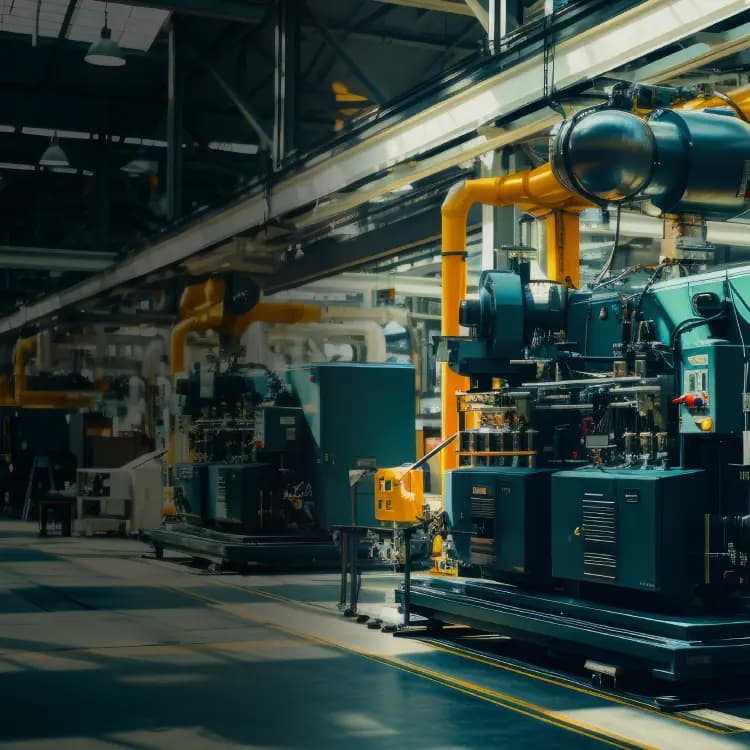
The manufacturing industry comprises businesses engaged in producing tangible goods Advances in automation, collaboration, innovation, and other areas also contribute to improving manufacturing quality and efficiency using AI and machine learning.
KNOW MOREFrequently Asked Questions
Quick answers to common questions about this service.
What is the goal of the Renewable Energy Certificate (REC) system?
The REC mechanism is a tool in the market that encourages the use of renewable energy and aids in fulfilling renewable purchase obligations (RPOs). The goal is to reduce the gap between the renewable energy resources available in the state and the needs of obligated entities to fulfill the renewable purchase obligation (RPO).
Who would receive the REC issuance? Are Distribution licensees, open-access consumers, and CGPs qualified to receive RECs?
REC would be given to suitable RE generators, distribution licenses, open access consumers, and CGP depending on renewable energy.
What is the biggest renewable energy initiative in India?
The Bhadla Solar Park is the biggest solar power plant worldwide and can be found in the village of Bhadla. Located in Jodhpur district of Rajasthan, famous for its hot weather suitable for solar energy.
What is the most suitable renewable energy option for India?
Solar, wind, and run-of-the-river hydroelectricity are inexpensive and environmentally friendly sources of energy seen as crucial power sources that must be operated in India.
What exactly constitutes a solar city?
The goal of Solar City is to achieve at least a 10% decrease in the estimated demand for energy after five years, traditional energy will be phased out, using a mix of strategies increasing the availability of renewable energy sources within the city measures that promote energy efficiency. The primary goal is to inspire the community Governments are encouraged to implement renewable energy technologies and expand the use of clean energy sources. measures of effectiveness.
What is the total number of states categorized as solar cities?
A total number of cities in the 'Development of Solar Cities Programme'.
A total of 60 cities that utilized solar energy were identified.
What are the recent technologies being adopted by the government?
The MNRE has initiated efforts in the field of new and renewable energy sources and different programs regarding recent technologies. As a component of these initiatives, multiple initiatives related to research, development, and a demonstration has been started. The efforts have been focused on multiple research, scientific, and educational organizations, and colleges national laboratories, industry, and other similar entities. These initiatives are contributing to the advancement of native research and industrial foundation, proficiency skilled workforce, and models/equipment/systems within the nation