
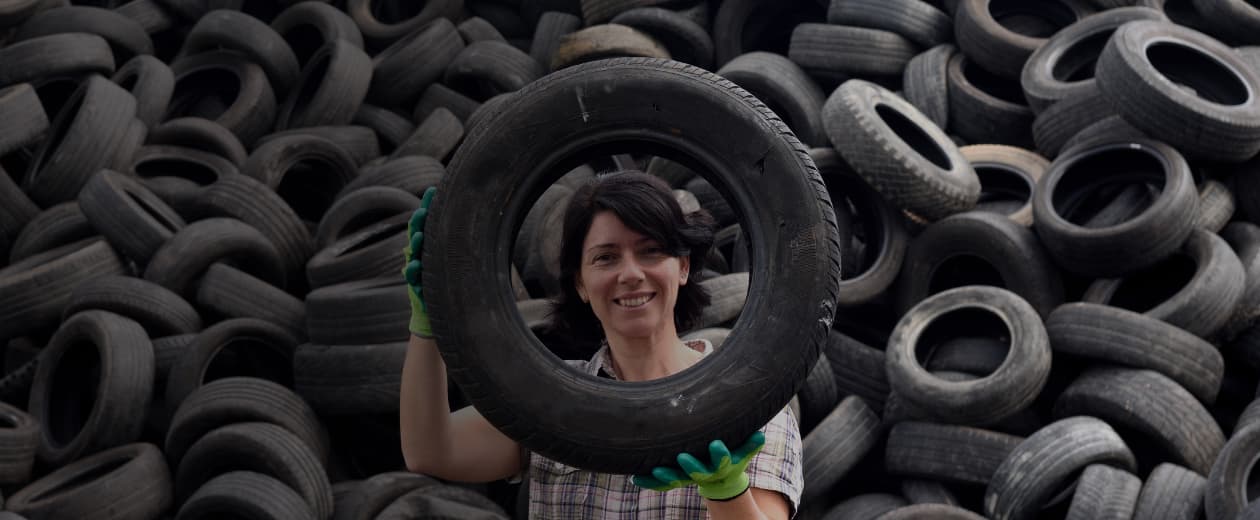
Tyre Waste Recycling Plant Setup
Tyre Waste Recycling Plants convert discarded tyres into valuable materials through advanced processing technologies, reducing environmental impact and recovering useful resources. These facilities address the challenges of tyre disposal while supporting sustainability and resource conservation.

Schedule a Call Back
Businesses we've worked with
Showing 348 clients- Plant setup clients (DPR, CTE, CTO)
- Servotech Renewable Power System · Intangles Lab · Alten India · Saurya Urja Company of Rajasthan · 20Cube Logistics Solutions · Adit Buildwell · Bake Wish · Ecowise Trading · Magnum Aluminium · PMS Waste Management · GS E-Commerce · Beaucience India · Jiva Ayurveda Pharmacy · Radical Aftermarket Services · SNS Metpro Industries · Enershell Alloys and Steel · Gorevive · Innovation Elephants · P P Bafna Ventures · Sun Mobility · Daebak India Recycler · Ganesh Foundry & Cast · Ganix Rubber Recycling · Pashidaa E Waste Copper Battery Recycling PLT Company · RSV Seeds & Agro Chemicals Products · Boulevard Hotel and Resorts · Dev Plast Privat E · Flexfit Activewear · Resurge Green Tech · SAM Constructions · Abhinandan Jan Kalyan Society · GCM Carbon · Infrathon Projects · Inland Speciality Metals · Moore Pipe India · R K Laxmi General Sales · S G Overseas · Shreeji Anand Resort · SR Polygrain · Switch 2 Nature · Blubble · M-Swasth Solutions · Krisba Healthcare · Meritech India · Proximise · Enzolt Energy · Rays Global Energypower · Champion EL COM · +45 more























Industries
Recycling & Waste Management
Recycling is an essential part of waste management. It helps to conserve natural resources, reduce landfill waste, conserve energy, and crea...
KNOW MORE ›Trading Business
Trade of a business reflects the value of services exchanged between domestic and foreign economic members, including the value of services ...
KNOW MORE ›Chemicals
There has been a global shift towards Asia as the world’s chemical manufacturing hub lately. The future of the chemical industry in India de...
KNOW MORE ›Tyre Waste Recycling Plant Industry in India
The global spread of the use of vehicles has led to a significant increase in tyre waste, creating significant environmental problems. The tyre waste processing plant is offered a critical solution by converting the Tyre used into valuable materials, reducing landfill waste and mitigating dangers to the environment.
Understanding Tyre Waste
Tyre Waste are discarded Tyre that are no longer capable of performing their intended function. Due to their durable composition, Tyre can sit in landfills for hundreds of years, releasing harmful chemicals and posing environmental and health hazards. Tyre waste includes:
Passenger car Tyre: Commonly used in cars, trucks, and motorcycles.
Off-road (OTR) Tyre: Larger Tyre used on construction and mining equipment. Industrial Tyre: Used in machinery and heavy equipment.
Tyre Waste Recycling Plants play a crucial role in managing the environmental challenges posed by discarded tyres. By employing advanced technologies and processes, these facilities convert tyre waste into valuable resources, contributing to environmental protection, resource conservation, and economic development. As the industry develops, the constant achievements of innovation and regulations provide a more stable approach to forming the future of tire rotation and managing this important waste flow.
Benefits of a Waste Tyre Recycling Plant Sector in India
- Reduced environmental impact: Recycling Tyre keeps them out of landfills, reducing pollution and minimizing the environmental impact of discarding them.
- Conserve resources: By recovering and reusing materials from Tyre, recycling plants help conserve natural resources and reduce the need to extract raw materials.
- Economic benefits: The recycling industry creates jobs and stimulates economic activity. Recycled materials can also be more cost-effective than virgin materials.
- Energy saving: thermal decomposition and other processing processes can create alternative fuel and energy sources and reduce dependence on fossil fuels.
Necessity of Tyre Recycling Waste
- Environmental Protection: Recycled Tyre can become a breeding ground for pests and pose a fire hazard. Recycling reduces these risks and prevents landfills from overflowing.
- Resource recovery: Tyre contain valuable materials like rubber, steel, fibers, etc. Recycling helps to recover these resources and reuse them in various industries.
- Economic efficiency: Tyre conversion to fuel can reduce the need for fossil fuels and provide more stable energy sources.
- Compliance with regulation requirements: With the increase in waste management regulations, treatment can help companies comply with environmental law and avoid fines.
Process and Technology of Tyre Waste Recycling Plant
Waste Tyre recycling involves several key processes and technologies, each designed to effectively and efficiently convert Tyre into reusable materials. These include:
Grinding and grinding:
- Initial shredding: Tyre are first shredded into small pieces using heavy machinery. At this stage, the Tyre are broken down into acceptable sizes.
- Granulation: The shredded Tyre are further crushed into smaller granules. The granule process separates rubber from steel and fiber components.
Separation:
- Steel Separators: Magnetic separators eliminate the need for steel belts or wires embedded in the Tyre.
- Fiber Separation: Air classifiers and other technologies separate the rubber from the fibers.
Clambar Production:
- Rubber rubber: Transform's rubber granules are also specified for rubber bread crumbs that can be used for various purposes, such as rubber asphalt, sports, and playgrounds.
Pyrolysis:
- Pyrolysis process: In this pyrolysis process, Tyre are heated in the absence of oxygen to break them down into oil, gas, and coal. The resulting products can be used as alternative fuels and raw materials for other industries.
Devulcanization:
- Chemical Process: Devulcanization is a process used to break down the sulfur crosslinks in rubber to make it easier to reuse. This can improve the quality of the reclaimed rubber for certain applications.
Material Recovery:
- Rubber Reuse: Recovered rubber can be used in various applications, such as new tyres, automotive parts, and industrial products.
- Steel Reuse: Recovered steel can be recycled into new steel products. Reuse of fiber: fiber fiber can be reused for insulation, carpet, or other products.
Operational Aspects of a Tyre Recycling Plant Industry
Object design:
- Infrastructure: Scrap Tyre recycling plants are designed with specialized equipment to process Tyre of different sizes and complexities. These include crushers, granulators, separators, and pyrolysis plants.
- Safety measures: Appropriate security protocols, ventilation systems, and fire prevention measures are important for the flammable properties of rubber.
Waste collection and selection:
- Collection System: Automobile service centers, retail points, local governments, etc., to collect Tyre from various sources, require effective collection systems.
- Sorting: Tyre are sorted according to size, type, and condition to optimize the recycling process.
Processing and quality control:
- Processing: Tyres go through various processing stages to separate and purify materials. Quality control measures ensure that processed products meet industry standards.
- Monitoring: Regular monitoring of air, water, and waste streams is essential to ensure compliance with environmental regulations.
End Product Applications:
- Rubberized Asphalt: Crumb rubber can be used to improve the performance of asphalt in road construction.
- Sports Surfaces: Recycled rubber is used in playgrounds, running tracks, and athletic fields for its shock-absorbing properties.
- Industrial products: Recycled rubber is used in new products such as automotive parts, carpets, and insulation.
Challenges of Tyre Waste
- High Refining Costs: The initial investment in recycling technology and infrastructure can be significant, and ongoing operating costs can be high.
- Complexity of Tire Composition: The diverse composition of tires, including rubber, steel, and textile fibers, requires complex processing and separation technologies.
- Regulatory Compliance: Meeting environmental regulations and standards can be complex and resource-intensive.
- Market Demand: The success of a recycling operation depends on market demand for recycled materials. Fluctuations in demand can affect profitability.
Future of Tyre Waste Recycling Plant Sector
- Technological advances: Innovations in recycling technology, such as more efficient pyrolysis methods and improved separation techniques, are expected to make tire recycling more efficient and profitable.
- Circular economy: The transition to a circular economy emphasizes the reuse and recycling of materials, thereby stimulating the development and adoption of tire recycling methods. Tighter regulations: As environmental concerns grow, we expect to see stricter regulations on tire disposal and recycling, encouraging more sustainable waste management practices.
- Public awareness and participation: Increasing public awareness of the benefits of recycling and participation in tire recycling programs will help the growth and effectiveness of recycling efforts.
Why Corpseed?
Corpseed will assist the tyre waste recycling plant industry by providing expertise in regulatory compliance, facilitating the setup of recycling facilities, and offering innovative solutions for efficient waste management and technology integration.
Enquiry Now
Tyre Waste Recycling Plant Setup
Enquiry Now
Tyre Waste Recycling Plant Setup
Industries We Cater To
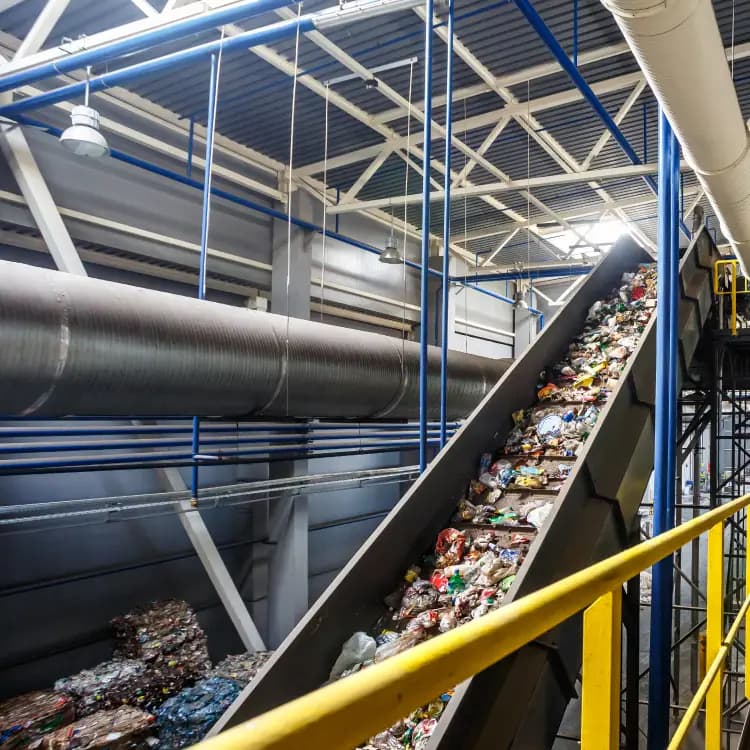
Recycling & Waste Management
Recycling is an essential part of waste management. It helps to conserve natural resources, reduce landfill waste, conserve energy, and create jobs. Recycling is easy and can be done by anyone.
KNOW MOREFrequently Asked Questions
Quick answers to common questions about this service.
What is a Tyre recycling plant?
A waste Tyre recycling plant is a facility that processes waste Tyre to recover valuable materials such as rubber, steel, and fiber, which are then converted into reusable products and energy.
Why is it important to use Tyre?
Tyre instructions can help prevent environmental pollution, reduce burial, maintain natural resources, and provide alternative energy sources while maintaining regulatory requirements.
What types of Tyre can be recycled?
Most Tyre such as passenger car Tyre, off-road (OTR) Tyre, industrial Tyre, etc. can be recycled.
What are the main recycling processes for Tyre?
The main processes include crushing, granulation, steel and fiber separation, rubber powder production, and pyrolysis.
How does the grinding process work?
The Tyre are first cut into small pieces using a shredder, then further crushed into pellets to separate the rubber from the steel and fiber components.
What is thermal decomposition when processing Tyre?
Heat decomposition is a process of heating that heats Tyre when oxygen does not exist and divides into oil, gas, and symbols that can be used as alternative fuel or raw materials.
How is granulated rubber used after processing?
Crumb rubber can be used in products such as rubberized asphalt for road construction, sports surfaces, playgrounds, and a variety of industrial applications.
What are the environmental benefits of Tyre recycling?
Recycling reduces waste in landfills, prevents pollution, conserves resources, and reduces dependence on fossil fuels by providing an alternative source of energy.
What are the economic advantages of a Tyre recycling plant?
Tyre recycling plants create jobs, stimulate economic activity, and produce valuable materials that are more cost-effective than virgin resources.
What challenges do Tyre recycling plants face?
Challenges include high processing costs, complex Tyre makeup, regulatory compliance, and fluctuating market demand for recycled materials.