
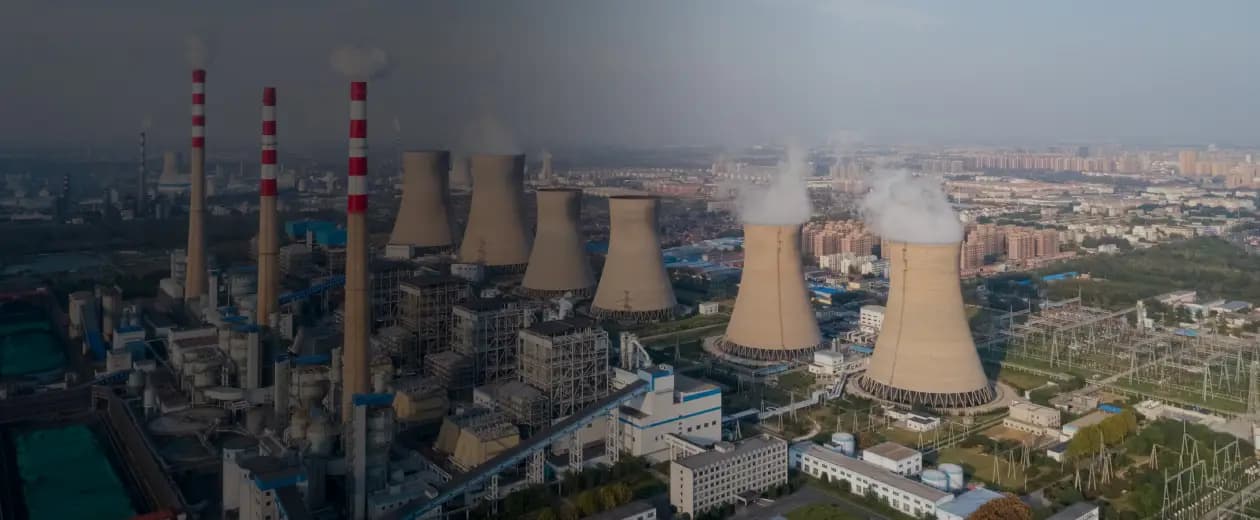
Thermal Power
The thermal power industry generates electricity by converting heat from fossil fuels or nuclear reactions into electrical energy. It faces challenges related to environmental impact but is advancing through cleaner technologies and improved efficiency.

Schedule a Call Back























Industries
Recycling & Waste Management
Recycling is an essential part of waste management. It helps to conserve natural resources, reduce landfill waste, conserve energy, and crea...
KNOW MORE ›Trading Business
Trade of a business reflects the value of services exchanged between domestic and foreign economic members, including the value of services ...
KNOW MORE ›Chemicals
There has been a global shift towards Asia as the world’s chemical manufacturing hub lately. The future of the chemical industry in India de...
KNOW MORE ›How to Start Thermal Power Industry in India
The thermal power generation industry is a key component of global electricity generation, providing a significant part of the world's energy supply. This sector includes the production of electricity through the burning of fossil fuels such as coal, natural gas, and oil, or through the use of nuclear energy. As a vital part of the energy landscape, thermal energy plays a critical role in meeting global energy needs, supporting industrial processes, and powering homes and businesses.
Fuel power remains a vital part of the global energy infrastructure, providing critical electricity generation capabilities. Facing significant environmental and economic challenges, the industry is evolving thanks to technological advances and cleaner methods. With a focus on sustainability, efficiency, and innovation, the thermal energy sector can continue to play a key role in meeting the world's energy needs while addressing environmental challenges and supporting the transition to a cleaner energy future.
Historical Development of the Thermal Power Industry
- An Early Start
The history of thermal energy dates back to the first steam engines in the 18th century. James Watt's improvements to the steam engine in the late 18th century laid the foundation for the development of steam power. Initially, the steam engine, which had been used for mechanical tasks in the industry, finally found the use of power production. The first power plant used steam to manage the turbine connected to the generator and focused on the start of thermal energy.
- 20th century
The 20th century saw great advances in thermal energy technology. The widespread use of coal-fired power plants during early industrialization led to coal becoming the primary fuel for generating electricity. The development of very effective steam turbines, achievements in boiler technology and improving emissions have contributed to increasing efficiency and reducing environmental impact.
In the last half of the 20th century, nuclear energy growth appeared as an alternative to fossil fuels. The first commercial nuclear power plants came online in the 1950s, providing a new source of thermal energy with lower greenhouse gas emissions compared to coal-fired power plants.
- Latest Developments
In recent decades, environmental concerns have led to increased attention to thermal energy. The focus has shifted to improving efficiency, reducing emissions, and adopting cleaner technologies. The rise of combined cycle gas turbine (CCGT) technology, which uses both gas and steam turbines to generate electricity, has significantly improved the efficiency of natural gas power plants.
Key components of the Thermal Power Sector
Power generation process
Thermal power generation involves converting thermal energy into electrical energy. This process typically involves the following steps:
- Fuel combustion: Fossil fuels (coal, oil, natural gas) or nuclear fuels are burned to produce heat.
- Heat conversion: The heat produced is used to produce steam from water.
- Steam turbine: The high-pressure steam drives a turbine that is connected to a generator.
- Power generation: The turbine spins a generator to produce electricity.
Types of Thermal Power Plants
- Coal-fired Power Plants: These plants burn coal to produce steam to drive turbines. They are known for their high carbon dioxide emissions, but are being upgraded with cleaner technologies:
- Natural gas power plants: They use natural gas to generate steam or to directly drive gas turbines. They are more effective and have less emissions than coal power plants.
- Oil fire power plants: Today, these factories are using oil as fuel sources and are generally used in areas where coal or gas access is restricted.
- Nuclear power plants: use nuclear reactions to produce heat that is then used to generate steam and drive turbines. They produce very few greenhouse gas emissions but pose other environmental and safety risks.
Environmental Considerations of the Thermal Power Industry
The production of thermal energy has significant environmental impacts, including
- Air pollution: The combustion of fossil fuels releases pollutants such as sulfur dioxide (SO2), nitrogen oxides (NOx), and particulate matter, which can contribute to the formation of smog and acid rain.
- Greenhouse gas emissions: Burning fossil fuels produces carbon dioxide (CO2), the main greenhouse gas that contributes to climate change.
- Water use: Thermal power plants require large amounts of water for cooling, which can impact local water resources and aquatic ecosystems.
Efficiency and Technology Used in the Thermal Power Sector
- Steam cycle efficiency: Improvements in steam turbine technology and materials have increased the efficiency of coal-fired and nuclear power plants.
- Combined cycle technology: Combined cycle gas turbine (CCGT) power plants use both gas and steam turbines to harness waste heat and achieve higher levels of efficiency.
- Carbon dioxide capture and storage (CCS): CCS technology aims to capture CO2 emissions from power plants and store them underground to help mitigate climate change.
Current trends and innovations of Thermal Power Industry
1. Cleaner technologies
Thermal energy is being developed to solve environmental problems.
- Advanced coal technologies: Innovations such as integrated gasification combined cycle (IGCC) and supercritical steam cycle aim to improve the efficiency of coal-fired power plants and reduce emissions.
- Natural gas with low emissions: Improving the gas turbine structure and the improvement of the combustion process reduce emissions and enhance the effectiveness of natural gas generation.
- Atomic innovation: New reactors, such as small modularities (SMR) and generation IV reaction devices, reduce waste to provide safety and efficiency.
2. Integration with renewable energy
Thermal power plants are increasingly integrated with renewable energy sources to create hybrid systems:
- Hybrid systems: Combining thermal energy with renewable sources such as solar or wind can provide a more stable and reliable power supply while reducing overall emissions.
- Energy storage: Technologies such as batteries and thermal storage systems can help balance the intermittency of renewable energy sources by storing excess energy for use when renewable generation is low.
3. Digitalization and automation
The introduction of digital technology converts thermal energy operations.
- Intelligent integrated grid: Digital tools improve mesh control and integration with various energy sources.
- Maintenance prediction: Data analysis and automatic learning provide predictive maintenance, increase factory efficiency, and reduce downtime.
- Automation: Advanced control systems and automation technologies improve operational efficiency and safety.
4. Policy and Regulatory Changes
Government policies and regulations play a crucial role in shaping the thermal power industry:
- Emissions Standards: Regulations are increasingly stringent regarding emissions and environmental impact, driving the adoption of cleaner technologies.
- Renewable Integration Mandates: Policies encouraging the integration of renewable energy sources are influencing the design and operation of thermal power plants
Future Outlook for the Thermal Power Industry
The future of thermal energy will be characterized by a continued focus on sustainability, efficiency, and technological innovation. Key trends include:
- Decarbonization: The ongoing effort to reduce carbon emissions through the integration of advanced technologies and low-carbon energy sources.
- Technology evolution: Continuous progress of turbine's effectiveness, carbon technology capture, and nuclear technology form the future of industries.
- Hybrid system: The integration of heat energy, renewable energy sources, and energy storage systems improves reliability and reduces the impact on the environment.
- Adapting to regulations: The industry must adapt to evolving regulations and policies aimed at mitigating climate change and promoting sustainable energy practices.
Why Corpseed?
Corpseed can support the thermal power industry by providing regulatory compliance solutions, facilitating project approvals, and offering expertise in environmental management and technology integration to enhance efficiency and sustainability.
Enquiry Now
Thermal Power
Enquiry Now
Thermal Power
Industries We Cater To
Manufacturing
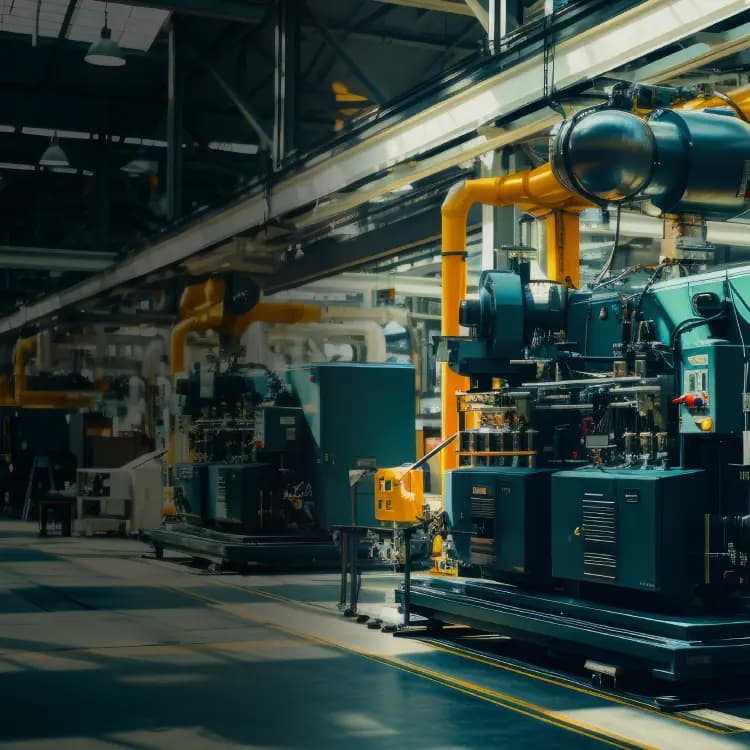
The manufacturing industry comprises businesses engaged in producing tangible goods Advances in automation, collaboration, innovation, and other areas also contribute to improving manufacturing quality and efficiency using AI and machine learning.
KNOW MOREFrequently Asked Questions
Quick answers to common questions about this service.
What is thermal power generation?
Thermal power includes the production of electricity by converting heat from fossil fuels (coal, natural gas, oil) or nuclear reactions to electrical energy using steam turbines or gas turbines.
How do thermal power plants work?
Thermal power plants burn fuel to produce heat, which is then used to turn water into steam. The steam drives a turbine connected to a generator, which produces electricity.
What are the main types of thermal power plants?
The main types are coal, natural gases, oil, and nuclear power plants.
What are the environmental impacts of thermal power plants?
Environmental impacts include air pollution (e.g., sulfur dioxide, and nitrogen oxides), greenhouse gas emissions (e.g., carbon dioxide), water consumption, and heat pollution.
How is thermal energy efficiency measured?
Efficiency is measured by the ratio of electrical energy produced to thermal energy consumed. High efficiency means more power is produced per unit of fuel consumed.
What is Combined Cycle Gas Turbine (CCGT) Technology?
CCGT technology uses both gas and steam turbines to generate electricity, increasing efficiency by using waste heat from the gas turbine to produce steam for the steam turbine.
How does nuclear power differ from fossil fuel-based thermal power generation?
Nuclear energy generates heat using nuclear reactions. Generates heat. This is used to generate steam, but it burns fossil fuels such as coal and natural gas. Nuclear power has a small carbon emission but has various safety and waste management issues.
What are the achievements in the field of thermal energy?
Advances include high-efficiency steam turbines, carbon capture and storage (CCS) technologies, and advanced nuclear reactor designs (such as small modular reactors).
How do thermal power plants manage their water consumption?
Thermal power plants use water for cooling and often use cooling towers or other methods to reduce water consumption and heat discharge into natural bodies of water.
What role does heat energy play in the energy balance?
Thermal power generation provides a significant portion of the world's electricity, providing reliable baseload power, but its role is evolving as the world moves toward cleaner and more sustainable energy sources.