
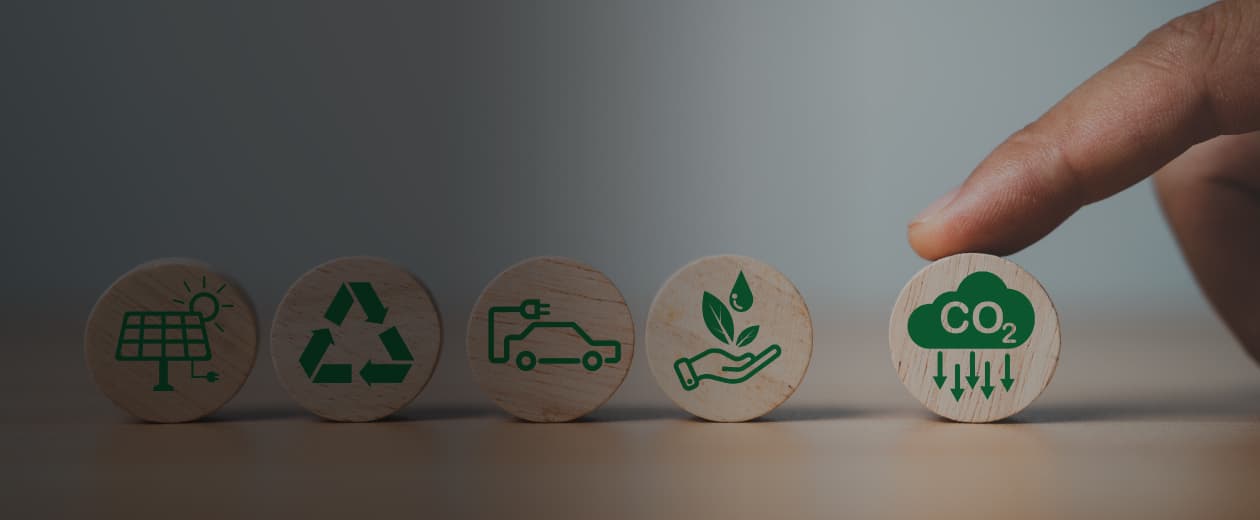
Sustainability
The sustainability industry focuses on minimizing environmental impact, promoting social responsibility, and ensuring economic viability through innovative practices and technologies. It addresses challenges like high costs and supply chain complexity while driving advancements in energy efficiency, circular economy, and green technologies.

Schedule a Call Back
Businesses we've worked with in sustainability
Showing 632 clients- Recycling and waste management
- Plastroots Waste Management & Solutions · PMS Waste Management · Koscove E-Waste · Daebak India Recycler · Ganix Rubber Recycling · Pashidaa E Waste Copper Battery Recycling PLT Company · Ananta Metal Recycling · Quantara Battery Recycling · Upcycle Debris Management · Earth Recycler · Elgreen Recycling · Ficusa Ewaste Recyclers · K2 Recyclers · Shuchaye Recyclers · Verwertung Recyclers · Dustman Waste Management & Recycling · +13 more
- Renewable energy and batteries
- Servotech Renewable Power System · Saurya Urja Company of Rajasthan · Servotech Power Systems · Bitek Solar · Sri Savitr Solar · Solaredge Technologies (India) · Sun Mobility · Nash Energy (I) · Mindra Green Energy · Kalpa Power · Sodion Energy · Amperehour Solar Technology · Ayana Renewable Power · Ayana Renewable Power Three · Krannich Solar · Kratus Solar Solutions · +13 more























Industries
Recycling & Waste Management
Recycling is an essential part of waste management. It helps to conserve natural resources, reduce landfill waste, conserve energy, and crea...
KNOW MORE ›Trading Business
Trade of a business reflects the value of services exchanged between domestic and foreign economic members, including the value of services ...
KNOW MORE ›Chemicals
There has been a global shift towards Asia as the world’s chemical manufacturing hub lately. The future of the chemical industry in India de...
KNOW MORE ›How to Setup Sustainability Industry in India
Today, Sustainability has become the foundation of industry and manifests an extensive commitment to the environment, including being socially responsible and economically viable. An increasing ecological conscience and regulatory pressures have started industries in almost all sectors to revisit their practices in a manner compliant with sustainability goals. Sustainability is no longer an after-show; it's the very heart of contemporary industry. New groundbreaking practices and technologies applied in industries are making a positive contribution to global sustainability since they enhance these industries in achieving the dual goals of environmental, social, and economic sustainability. Despite there still being challenges, there is strong attestation in the commitment to sustainability across all sectors, further setting the pathway to more resilient and responsible industrial sectors. These practices embraced by the sectors will make the industries not just regulatory compliant and fulfill consumer expectations but will take them forward for a healthy and equitable future for all.
The Pillars of Sustainability Industry
Sustainability in the industry is built upon three primary pillars:
- Environmental Sustainability: Focuses on minimizing the ecological impact of industrial activities. This includes reducing carbon emissions, conserving natural resources, managing waste, and protecting ecosystems.
- Social Sustainability: Ensures that industry practices promote social equity, fair labor practices, and community engagement. It emphasizes worker rights, diversity and inclusion, and contributions to societal well-being.
- Economic Sustainability: Involves the creation of long-term economic value while ensuring that financial practices do not compromise future generations' ability to meet their needs. This includes efficient resource use, innovation, and profitability.
Structure of the Sustainability Industry
The sustainability industry incorporates the consideration of environmental, social, and economic issues in business practices, policies, and technologies aimed at the protection that will afford the sustainability of ecological balance and social equity in the long term. Sustainability has become a central theme in nearly every industry due to increasing environmental and social awareness in almost every region of the world. An overview of the trends, challenges, and future directions of this industry is discussed below.
Environmental Sustainability
- Ecological Impact Reduction: Concerned with conservation, waste reduction, and resource management, with an ecological focus.
- Renewable Energy Branch: Researching and implementing solar, wind, hydro, and geothermal energies to decrease dependency on fossil fuels.
- Waste Management and Recycling: Those companies that develop activities regarding waste decrease, recycling programs, and waste-to-energy technologies.
- Sustainable Agriculture: Methods that do not harm the environment, promote healthy soils, and increase biodiversity.
Social Sustainability
- Focus: Social equity, human rights, community welfare.
- Fair Trade Organizations: These ensure that the producers in developing countries get fair remuneration and are under no adverse conditions.
- Corporate Social Responsibility: Companies take initiatives to solve or create awareness about social issues, help in developing the local community, and generate an environment of diversity and inclusion.
- Ethical Labour Practices: Companies and organizations that follow just labor practices and stand up for worker rights and safe conditions at work.
Economic Sustainability
- Focus: Making sure there is financial viability while considering environmental and social responsibilities.
- Green Finance: The investment in projects and enterprises through green bonds, loans, and venture capital securities given to enhance sustainable projects.
- Business Sustainability: Firms integrate sustainability into the business model as part of enhancing profitability at minimal environmental impact
- Circular Economy: Promotes the use of a closed-loop production system in which products are designed to be continually cycled back into production through the reuse, repair, and recycling of materials, thereby reducing consumption and waste footprint.
Strategies for Sustainability Sector in India
Energy Efficiency and Renewable Energy
The most important question here is to increase energy efficiency, with renewable energy sources making significant inroads. They adopt technologies that use, for example, advanced energy management systems, high-performance machinery, and those using renewable energy installations, including solar, wind, and geothermal. An example is the implementation of energy-efficient procedures and materials for the manufacturing of various products to reduce carbon emissions.
Waste Reduction and Circular Economy
Also, traditional productions following the linear model of take-make-dispose are being replaced by a circular model of the economy directed toward designing for durability, repairability, and recyclability. Industries aim to minimize waste through recycling activities, upcycling of materials, and designing for disassembly and reuse.
Sustainable Supply Chains
Sustainable supply chain management is the creation of value for social and environmental concerns from the assessment of the overall supply chain and making necessary amends. The selection criteria of the suppliers should be those governed by the principles of sustainable and ethical behavior, enhanced transparency, and green logistics.
Product Innovation and Green Technologies
Innovation is a vital driver of sustainability. Industries invest in research and development to bring forth new, more environmentally friendly technologies and products to the markets. This includes low-impact materials, energy-efficient appliances, and other solutions to environmental problems.
Government Policies and Initiatives for the Sustainability Industry 2023-2024
- International Agreements on Global Climate: Entailing commitment to international agreements like the Paris Accord, having set and met targets attributed to emission reduction.
- IRA - Inflation Reduction Act: More precisely in the U.S., the IRA gives out huge tax credits and subsidies for renewable energy projects, electric vehicles, and energy-efficient home upgrades
- EU Green Deal: The European Union's Green Deal has set a target to reach climate neutrality by 2050, with policy actions ranging from increasing funding for green projects to stricter emission rules.
- China Carbon Peaking and Neutrality Goals: China advances the policies of peaking carbon emissions before 2030 and carbon neutrality by 2060, represented by clean energy and electric vehicle promotion.
- Green Infrastructure Investment: Governments are making investments in the infrastructures that are sustainable, including renewable energy plants, public transit systems, and efficient buildings.
- Revision of Waste Management Legislation: New legislations brought about by different countries focus on the reduction of single-use plastics and increase in the rates of recycling.
- Introduction to the Enhanced Standards of Energy Efficiency for Appliances, Vehicles, and Industrial Equipments.
- Carbon Border Adjustment Mechanisms: Some regions have already implemented or are considering carbon border taxes that would prevent industries from leaking into countries with slack climate controls.
- Green Finance Initiatives: Governments are supporting green bonds and providing financial incentives for investments in sustainable projects and technologies.
- Subsidies for Sustainable Agriculture: Further support farming practices that reduce emissions, maintain soil health, and support biodiversity.
Future Directions in Sustainable Industry
- Increased Collaboration
The future of sustainability drives in the years to come will make the industry, government, and nongovernmental organizations collaborate more profoundly. These partnerships would further assure knowledge sharing, setting standards, and functioning together globally on sustainability challenges.
- Technological Advances
Sustainability will be greatly boosted by ongoing technological advances in artificial intelligence, the Internet of Things, and blockchain, among others, due to the capability it offers in energy management, transparency in the supply chain, and methods to reduce waste.
- Enhanced Policy Frameworks
More stringent policies and incentives from the government can be expected regarding sustainability. It will be adopted into industries that may come in the forms of tough emission standards, carbon pricing, and different rewards for green practices.
- Consumer-Driven Innovation
As people become more aware and interested in sustainable products, industry will work more toward the production and marketing of goods and services in a sustainable manner. This is likely to lead to innovation through this consumer-led approach and, consequently, more advances in sustainability.
- Expansion of Circular Economy
The concept of the circular economy is going to continue with even more industries getting into the act of resource productivity and waste reduction. It will mean significant shifts in product design, business models, and consumer behaviours.
Why Corpseed?
Corpseed supports the sustainability industry by providing comprehensive services for environmental compliance, green certifications, and sustainability reporting, helping businesses integrate eco-friendly practices and meet regulatory requirements efficiently.
Enquiry Now
Sustainability
Enquiry Now
Sustainability
Industries We Cater To

Service Industry
This service industry is not only a small player in the global economy; it has a major impact on the country’s GDP and labor market. It touches every corner of our lives, from local shops to multinational corporations.
KNOW MOREFrequently Asked Questions
Quick answers to common questions about this service.
What does the sustainability industry mean?
It refers to all practices, technologies, and solutions from across all industries that decrease the impact on the environment, increase social responsibility, and make the economy more viable.
Why is sustainability so important for businesses?
The ways of sustainability play a vital role in businesses due to the fact that this concept helps them reduce environmental impact, comply with regulations, improve efficiency, and address growing customer demand for eco-friendly practices.
What are some of the common strategies for achieving sustainability?
Strategies include increasing energy efficiency, renewable energy sources, reduction of waste by means of circular economy practices, and sustainability in supply chain management.
What are the major challenges to this industry?
Some are high costs in implementation, technological deficiencies, regulatory compliance issues, and maintaining sustainability in global supply chains.
How might businesses begin to incorporate sustainability into operations?
Business organizations can initiate this process by representing the current position, establishing clear goals about sustainability, investing in green technologies, managing waste more effectively, and pursuing different certifications and partnerships.
What role do certifications play regarding sustainability?
The certifications prove a firm's commitment to sustainability through fulfilling certain environmental and social standards that enhance credibility, hence giving assurance to stakeholders.
How does technology contribute to sustainability?
Through energy efficiency, resource management, supply chain transparency, and innovation in green products and services.
What is the concept of a circular economy model?
The circular economy model is one of designing products and systems to minimize waste, extend product life, and enable recycling and reuse contrast to the linear production model.