
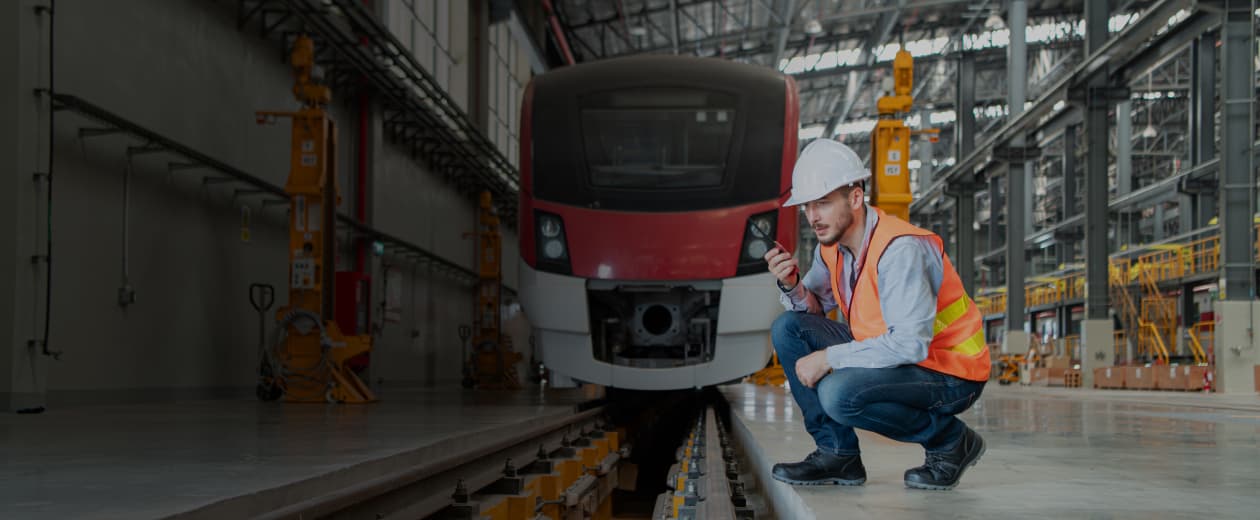
Railway Product Manufacturing
The railway products manufacturing industry is involved in the design and manufacture of locomotives, rolling stock, tracks, and other equipment for signalling-major components of rail systems. The railways sector evolves with changing technology and needs for sustainability; hence, it grapples with various challenges while supportively contributing to the global transport infrastructure.

Schedule a Call Back























Industries
Recycling & Waste Management
Recycling is an essential part of waste management. It helps to conserve natural resources, reduce landfill waste, conserve energy, and crea...
KNOW MORE ›Trading Business
Trade of a business reflects the value of services exchanged between domestic and foreign economic members, including the value of services ...
KNOW MORE ›Chemicals
There has been a global shift towards Asia as the world’s chemical manufacturing hub lately. The future of the chemical industry in India de...
KNOW MORE ›How to Setup Railway Product Manufacturing Industry in India
Railways have long been a cornerstone of global transportation, facilitating the movement of goods and passengers across vast distances with efficiency and reliability. The railways product manufacturing industry plays a crucial role in ensuring that rail networks remain operational, safe, and up-to-date. This sector encompasses a wide range of products and services, including locomotives, passenger coaches, freight cars, tracks, signalling systems, and maintenance equipment. As rail networks continue to evolve with advancements in technology and increasing demand for sustainable transport solutions, the manufacturing industry must innovate and adapt to meet these needs.
Industry Segmentation of Railway Product Manufacturing Sector
- Locomotives and Rolling Stock
Locomotives are regarded as the lifeblood of any railway. Therefore, their design and manufacturing go to the roots of the industry. By type, locomotives in contemporary times can be classified into diesel-electric, electric, and hybrid varieties, each of which is customized to serve specific functional requirements. Their production involves highly complicated engineering in components like the engine, traction, and control systems, which are designed and assembled with the greatest care.
Rolling stock refers to all vehicles that move on a railway track, from passenger coaches to freight cars. Passenger coaches connote comfort and safety; advanced materials and technologies are increasingly used to enhance the passenger experience. Freight cars are built tough but efficiently, spanning bulk goods to specialized containers.
- Track and Infrastructure
The track is the literal foundation of rail transport; its design and construction are critical for safe and efficient operations. In track manufacturing, rail segments are produced along with sleepers and fastening systems. Modern tracks are designed for high-speed trains and heavy loads, reducing wear and tear.
Signaling systems are part of railway infrastructure and play a very significant role in the safe and efficient management of train movements. The systems evolved from traditional mechanical signals to sophisticated electronic and digital systems comprising ATC and PTC systems.
- Signaling and Communication Systems
Signaling systems control the movement of trains, ensuring the safe operation of the network through the management of the flow of trains. Modern signaling, in the form of trackside and onboard technologies, comes to the foreground through digital train control systems, GPS-based, real-time data analytics for increasing operational efficiency, and safety.
Communication Systems: Radio and data transmission technologies are at the heart of managing train operations and monitoring train performance, providing real-time updates to passengers and freight handlers.
- Equipment for track maintenance and repair works
Rattling railways require regular maintenance and repair work to keep them going. This industry segment produces special machinery for the inspection of tracks, rail grinding, and servicing trains. Technologies in this sector-as in the case of automated inspection vehicles and predictive maintenance tools—help in identifying issues before they escalate into major ones, potentially saving precious downtime and causing even more operational disruption.
Market Dynamics of Railway Product Manufacturing Industry
- Global Market Trends
The global railways product manufacturing market is growing, driven by the fast pace of infrastructure development, urbanization, and demand for more efficient modes of transportation. Since emerging economies are developing rail networks to support economic growth and developed nations are modernizing and expanding existing systems, investments are pouring in.
- Key Players and Competition
The sector is dominated by a number of large players; among them are multinationals, while some are companies with specific orientations. Key players include Siemens, Alstom, Bombardier, which recently became part of Alstom, and Hitachi, along with CRRC Corporation. These firms compete with each other through technology offerings, quality of products, and service to their clients. Strategic alliances also join forces in strengthening their position in the market.
- Challenges and Opportunities
The railways product manufacturing industry faces challenges such as fluctuating raw material prices, regulatory compliance, and continuous innovation in the works. There exist numerous opportunities for smart rail technologies, green initiatives, and growing markets in emerging regions.
- Regulatory and Safety Standards
The railways manufacturing industry is highly driven by regulatory standards and safety requirements. Though country-wise differences do prevail, core issues in the regulations generally focus on issues of safety, environmental impact, and operational efficiency. Manufacturers have to get their way around these regulations so that products meet the required standards.
Technological advancements for Railway Product Manufacturing Industry
- Electrification and Hybrid Technologies
Railway electrification is one major trend resulting from the urge for cleaner and more energy-efficient modes of transport. The electrified railways thus reduce the dependability on fossil fuels and diminish carbon. Manufacturers are increasingly focused on advanced electrification technologies in areas like high-speed rail systems and improving electrification infrastructure.
Hybrid technologies amalgamate conventional diesel engines with electrical systems in driving railways that are partly electrified. They can, therefore, be effectively applied in different contexts, mitigating the cost of operations and the environmental influences.
- High-Speed Rail Systems
Ages of High-Speed Rail Technology: High-speed rail systems leverage a quantum leap in rail technology to provide faster and more efficient travel. Indeed, the making of an HSR train calls for advanced aerodynamics, lightweight materials, and propulsion systems. Not left out is the infrastructure, which includes specially developed tracks and signalling to support such trains.
- Smart Railways
Smart railway is a system in which digital technologies permeate the railways, improving both the efficiency and responsiveness of rail networks. This would include IoT sensors to track in real-time conditions of the track and trains, advanced data analytics for optimizing operations, and automation technologies to improve train control and scheduling.
- Sustainable Manufacturing Practices
Sustainable development concerns have driven railways to look for the good ways of to make products, including the use of recycled materials, how to reduce the usage of energy, and waste. It is to innovate new products in terms of design and process, with the environment kept in mind while trying to tread gently on it.
Future Prospects of Railway Product Manufacturing Industry
The future of railway product manufacturing will be driven by continuous technical developments within the sector, coupled with changing market demand. Some of the main trends include the continued expansion of high-speed and urban rail systems, a greater focus on sustainable development, and an ever-increasing use of digital technologies to ensure smarter rail networks.
With railways at the core of world transport, the manufacturing industry has to grow up under new challenges and opportunities. With innovations in technology and a focus on sustainability and efficiency, the growth and development of this industry will be fostered so that railways can continue to be counted on and maintained as part of the global transportation infrastructure.
Enquiry Now
Railway Product Manufacturing
Enquiry Now
Railway Product Manufacturing
Industries We Cater To
Manufacturing
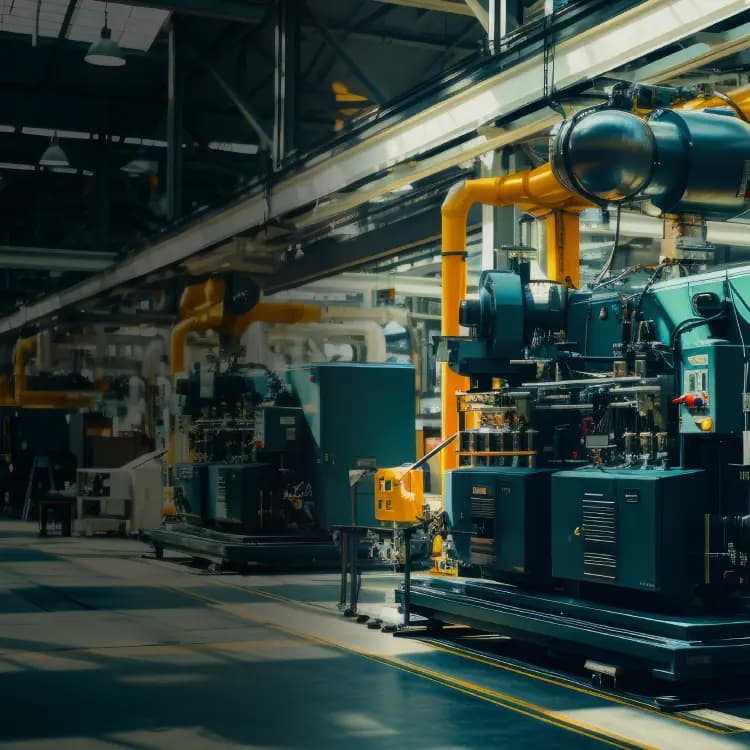
The manufacturing industry comprises businesses engaged in producing tangible goods Advances in automation, collaboration, innovation, and other areas also contribute to improving manufacturing quality and efficiency using AI and machine learning.
KNOW MOREFrequently Asked Questions
Quick answers to common questions about this service.
What is the railway products manufacturing industry?
It consists of locomotives, passenger coaches, freight cars, tracks, signal sets, and maintenance equipment for railways.
What are locomotives?
These are the strong driving engines of trains, available as diesel, electric, and hybrid.
How does the railway products manufacturing industry contribute to the economy?
The sector contributes to the economy in the following ways:
- Job Creation: Offers employment in manufacturing, engineering, and support services.
- Creation of Backward Infrastructure: Facilitating transport networks, boosting activities, and enhancing connectivity in the economy.
- Effective Movement of Goods: This would facilitate efficient movement and thus support trade and commerce.
- Drive Innovation: Contribute to technological innovation for improvements in overall transportation efficiency and sustainability.
What are the trends driving this industry?
Developments include electrification, high-speed rail systems, smart technologies, and sustainable manufacturing practices.
What are the major issues in railway product manufacturing?
Challenges include fluctuating raw material costs, meeting regulatory requirements, and the need to introduce technological innovation.
What is the scope of environmental considerations in railway product manufacturing?
Environmental considerations include:
- Sustainable Materials: Considerations for the use of recycled and eco-friendly materials during production.
- Design to assist energy savings, such as electric and hybrid locomotives.
- Waste Management: Eliminating wastes and manufacturing processes within the operations for recycling.
- Emission Reduction: Technologies should be developed to decrease emissions in trains and manufacturing processes.
How do manufacturers ensure safety?
The manufacturer ensures safety through regulatory compliance, rigorous quality control, extensive testing, and follow-up maintenance support.
Who are some of the top companies in this Industry?
The main businesses involved in the industry are Siemens, Alstom, CRRC Corporation, Hitachi, and Bombardier. Bombardier is currently under Alstom.
What are the focal areas of future trends in this industry?
Increased electrification, expansion of high-speed rail, digital integration, and sustainability are the major focus areas of future trends in this industry.