
Paper And Packaging
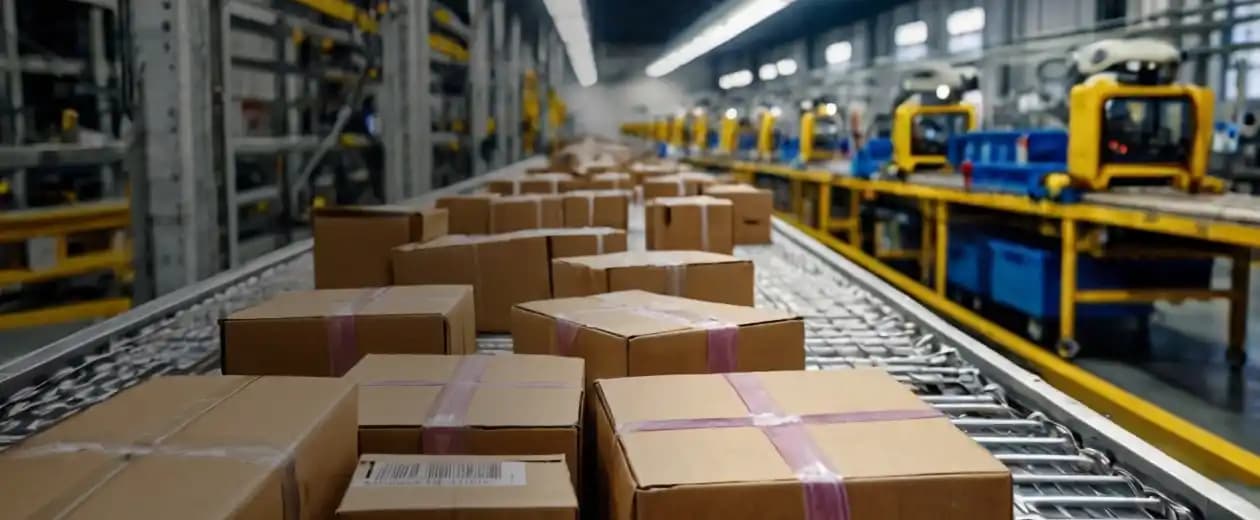
The paper and packaging industry is pivotal for global commerce, providing essential solutions for product protection and presentation while facing challenges related to sustainability and cost. Innovations in materials and technologies are driving the sector towards greater environmental responsibility and efficiency.

Schedule a Call Back
Businesses we've worked with in paper and packaging
Showing 321 clients- Clients include
- Reliant Packaging Films · Taurus Packaging · Satyawati Packaging · Venkateshwara Roto Pack · Ecoworks Paper Pulp Products · Genus Paper and Board · K R Pulp and Papers · Karni Packaging · Lami Tube · Pro Flexi Packaging · Shreeja Packaging Industries · Ality Paper Industries · Jainytic Packaging · Kanodia Packaging · Kherani Paper Mills · Masterpak Packaging India · Priyam Packeging · Rigen Packaging · SAS Card Board · Sperry Packagings · Venkateshwara Flexo - Pack · +18 more























Industries
Recycling & Waste Management
Recycling is an essential part of waste management. It helps to conserve natural resources, reduce landfill waste, conserve energy, and crea...
KNOW MORE ›Trading Business
Trade of a business reflects the value of services exchanged between domestic and foreign economic members, including the value of services ...
KNOW MORE ›Chemicals
There has been a global shift towards Asia as the world’s chemical manufacturing hub lately. The future of the chemical industry in India de...
KNOW MORE ›How to Setup Paper and Packaging Industry in India
The paper and packaging industry is one of the cornerstones of world commerce, influential in a thousand different industries that range from consumer goods to industrial products. A wide range of applications reaches from packaging materials via paper products to corresponding services. The protection of goods and improvements in product presentation are crowned by contributions toward sustainability for this industry. In line with shifting consumer preferences and regulatory landscapes, opportunities and challenges arise. This paper gives a broad overview of the paper and packaging industry, considering the current trends, major challenges, and innovative practices that would guide its future course.
The paper and packaging industry includes several key segments. These key segments have different functions and market dynamics and include:
- Paper Products: This segment includes newsprint, writing paper, tissue paper, and specialty papers used in different applications.
- Solutions range from corrugated boxes, flexible packaging, and rigid containers to protective packaging.
- Packaging machinery and equipment: This segment includes machines and equipment used to manufacture, fill, and seal packaging materials.
- The sector has a global nature, with international production facilities and worldwide demand spread across continents. This sector caters to a wide array of end-users, from the retail, food, and beverage to pharmaceuticals and electronics industries.
Key Trends That Are Shaping the Prospects of Paper and Packaging Industry
Sustainability and environmental concerns
Sustainability is one of the critical areas in which the paper and packaging industry is focused today. Concerns about deforestation, landfills, and carbon emissions are primarily responsible for influencing changes across the industry.
- Recycling and Recycled Materials: Increasingly, more emphasis is being laid on the use of recycled materials in paper and packaging products. Most of companies invest in technologies for recycling and closed-loop systems to reduce waste and foster the principles of a circular economy.
- Sustainable Sourcing: The industry is rapidly embracing sustainable sourcing practices. Certification programs such as FSC and PEFC ensure that paper and wood products have originated from responsibly managed forests.
- Eco-Friendly Packaging: Innovations in new eco-friendly packaging materials, including biodegradable plastics and plant-based alternatives, are catching on. The companies are now zeroing in on the reduction of packaging waste and improving the recyclability of products.
Technological Advancements
Technological innovation is driving the paper and packaging industry toward efficiency and transformation.
- Automation and Smart Packaging: Automation of packaging processes enhances efficiency and accuracy. Smart packaging technologies, including QR codes, RFID tags, and sensors, improve traceability, supply chain management, and consumer engagement.
- Digital Printing: Digital printing technology is giving high-quality, customizable solutions that are changing the way toward sustainable packaging design. It provides short-run production, lead-time reduction, and increased flexibility in design.
- Advanced Materials: The creation of advanced materials—such as nanocellulose and high-performance barrier coatings—is improving functionality and increasing sustainability in papers and packaging products.
Consumer Preferences and Market Dynamics
Consumer preferences drive the trends in packaging based on convenience, personalization, and sustainability.
- Convenience and Functionality: More and more consumers require convenience in packaging, as one can see in resealable pouches and easy-open designs. On the other hand, functional packaging is in high demand that elevates the degree of protection related to products and provides extended shelf life.
- Personalization: Customized packaging is starting to find greater interest with every passing day. Components like packaging design to limited editions that a brand might want to bring out are all part of a growing trend in this space.
- Sustainability: With increased environmental awareness among customers, the need for sustainable packaging solutions has been raised. In response, many brands have geared their business towards green materials and more transparent operations.
Regulatory and Compliance Issues
It is one of those industries that has to comply with a vast number of regulations and standards imposed to safeguard human health, the environment, and quality requirements.
- Packaging Waste Regulations: Most nations have enacted packaging waste reduction and recycling regulations. Under responsibility transfer legislation such as Extended Producer Responsibility (EPR), the obligation for managing the life cycle of packaging products from 'cradle to grave' is shifted to the manufacturers.
- Food Safety Standards: The food and beverage industry must maintain strict food safety standards for their packaging. This includes preventing food contamination by packaging material and meeting certain health and safety criteria.
- Environmental Regulations: Regulations on emissions, waste, and resource use are affecting business practices. The one critical criterion of conformity with which environmental standards can lessen the environment impact and protect against legal actions.
Innovations and Future Prospects of Paper and Packaging Sector in India
The future of the paper and packaging industry depends on innovations and the ability to adapt to forthcoming trends. Key areas of innovation can be highlighted as follows:
Sustainable Materials
The industry is adopting the path of developing sustainable materials. For example, some of the innovations in the sector, such as biodegradable plastics, compostable packaging, and the replacement of materials with paper solutions, are fit for checking the worries for the environment as well as helping significantly to cut dependence on materials in wide use.
- Biodegradable Plastics: These are obtained from renewable resources and are a good alternative to conventional plastics. They destroy more easily when left in the environment and hence reduce wastes and pollution.
- Compostable Packaging: These packaging are meant to break down in industrial compost facilities. These, therefore, help enrich the soil with organic waste management.
- Paper-Based Alternatives: Continuous advancements in paper-based materials, including such items as coated and reinforced papers, are raising the performance levels and sustainability of paper packaging.
Circular Economy and Recycling Technologies
With the shift from a linear to a circular economy, what follows is innovation in recycling technologies and current waste management practices.
- Closed-Loop Recycling: The aim in a closed-loop recycling system is to keep material within system use for as long as possible. Advancements in sorting, processing, and repurposing materials have ultimately led to a gain in the effectiveness of recycling operations.
- Chemical Recycling: Chemical recycling technologies break down plastics to chemical components, enabling recovery of high-quality materials to be used in new products.
- Enhanced Sorting Technologies: The next-generation sorting technologies use AI and machine learning for the sorting of waste phases with increased precision, thereby overall increasing recycling rates and reducing contamination.
Smart Packaging
Smart packaging technologies make the packaging intelligent enough to enhance its functionality and engage the consumer with the product.
- Interactive Packaging: These contain features such as QR codes and AR to boost customer experience and learn more about the product.
- Sensing and Monitoring: The package is implemented with sensors to feature temperature, humidity, and freshness monitoring. Such technology helps control product quality and safety, especially in the market for foods and drinks.
- Supply Chain Tracking: The emergence of RFID tags and blockchain technology to improve the visibility and trackability of supply chains, has enabled a far more efficient inventory management process, thus reducing the counterfeiting risk.
Why Corpseed
By leveraging Corpseed’s expertise, companies in the paper and packaging industry can streamline their operations, ensure regulatory compliance, adopt innovative technologies, and achieve sustainable growth. If you have specific needs or goals, reaching out to Corpseed directly can provide tailored solutions and support.
Enquiry Now
Paper And Packaging
Enquiry Now
Paper And Packaging
Industries We Cater To
Manufacturing
The manufacturing industry comprises businesses engaged in producing tangible goods Advances in automation, collaboration, innovation, and other areas also contribute to improving manufacturing quality and efficiency using AI and machine learning.
KNOW MOREFrequently Asked Questions
Quick answers to common questions about this service.
What are the main sectors within the paper and packaging industry?
The paper and packaging industry is divided into several key sectors:
- Paper Manufacturing: Includes various types of paper products such as printing paper, tissue paper, and specialty papers.
- Packaging Production: Involves the creation of packaging materials like cardboard boxes, plastic containers, and metal cans.
- Recycling: Focuses on the collection, sorting, and processing of paper and packaging materials for reuse.
How is paper produced?
Paper is produced through a process that involves:
- Pulping: Breaking down wood chips or recycled paper into a slurry.
- Forming: Spread the pulp onto a mesh screen to form a wet sheet.
- Pressing and Drying: Removing excess water and drying the sheet to create paper.
What are the primary materials used in packaging?
Primary materials include:
- Cardboard: Often used for shipping boxes and containers.
- Plastic: Used for flexible packaging, bottles, and more.
- Glass: Common for food and beverage containers.
- Metal: Utilized for cans and some types of durable packaging.
What environmental concerns are associated with paper production?
Key concerns include:
- Deforestation: The need for raw materials can lead to the loss of forests.
- Water Usage: Paper production uses large quantities of water.
- Energy Consumption: The process is energy-intensive, contributing to carbon emissions.
What are some sustainable practices in the paper and packaging industry?
Sustainable practices include:
- Using Recycled Paper: Reducing the need for virgin materials.
- Forest Certification: Ensuring that paper comes from responsibly managed forests.
- Eco-Friendly Packaging Designs: Minimizing material use and improving recyclability.
How is the industry adapting to changing consumer preferences?
The industry is adapting by focusing on sustainability, offering more eco-friendly options, and investing in innovative technologies. Consumers are increasingly demanding environmentally responsible products, which drives companies to find greener alternatives and improve their practices.
How does the paper and packaging industry impact the global economy?
The industry contributes significantly by:
- Providing Jobs: Creating employment opportunities across various sectors.
- Supporting Trade: Packaging is essential for the global distribution of goods.
- Driving Innovation: Continual advancements in materials and processes drive economic growth.
How is paper recycling carried out?
Paper recycling involves:
- Collection: Gathering used paper from various sources.
- Sorting: Separating paper by type and quality.
- Pulping: Breaking down the paper into a slurry and removing contaminants.
- Reforming: Creating new paper products from recycled pulp.
What types of packaging materials are recyclable?
Recyclable materials include:
- Cardboard: Most types can be recycled.
- Certain Plastics: Look for recycling symbols to determine recyclability.
- Metals: Such as aluminum and steel cans.
- Glass: Typically recyclable if sorted correctly
How can consumers contribute to better recycling practices?
Consumers can:
- Properly Sort Waste: Follow local recycling guidelines to sort materials correctly.
- Reduce Waste: Minimize packaging use and choose products with recyclable or compostable packaging.
- Support Recycling Programs: Participate in community recycling initiatives and support businesses with sustainable practices.