
Manufacturing Business Setup Industry
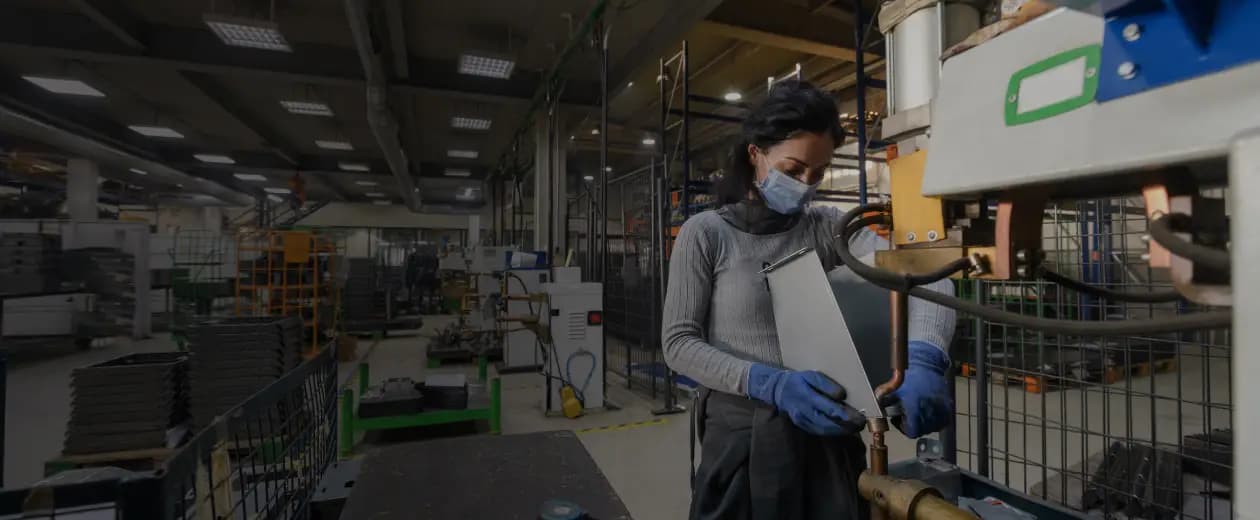
Setting up a manufacturing business involves thorough market research, strategic planning, and adherence to legal and regulatory requirements. Key steps include choosing a suitable location, investing in technology and equipment, and implementing robust operational and quality control systems.

Schedule a Call Back
Businesses we've worked with
Showing 1848 clients- Industrial machinery
- Juki India · Hilti India · Hilti Manufacturing India · Birla Precision Technologies · Anest Iwata Motherson · Migatronic India · Guhring India Private · Bauer Equipment India · +5 more
- Automotive
- Denso India · Bundy India · BMW India · Aptiv Connection Systems India · Subros · Federal-Mogul Bearings India · Aptiv Components India · ATC Tires · +5 more
- Electronics and electrical
- NEC Wire & Cables · Deki Electronics · Shindengen India · Alogic Electronics India · Lianchuang Electronic India · Smiths Detection Systems · Syrma SGS Technology · DS Connectors and Cables India · +5 more
- Metals and mining
- Enershell Alloys and Steel · Ganesh Foundry & Cast · Inland Speciality Metals · Sskbp India Alloy · Liberty Steel SBQ · Essel Mining & Industries · Bharat Aluminium Company · M M Castings · +5 more
- Plastics and polymers
- SVN Polymers · Kairaa Polypack · Reliant Packaging Films · Axel Polymers · Rose Plastic India · Multibase India · Suman Poly Pack Company · Nahar Poly Films · +5 more
- Chemicals
- M C Bauchemie I · Rustchem Corrosols · Sreechem Resins · Brenntag Ingredients India · Kumar Organic Products · DDP Speciality Products India · HP Adhesives · DuPont Specialty Products India · +5 more























Industries
Recycling & Waste Management
Recycling is an essential part of waste management. It helps to conserve natural resources, reduce landfill waste, conserve energy, and crea...
KNOW MORE ›Trading Business
Trade of a business reflects the value of services exchanged between domestic and foreign economic members, including the value of services ...
KNOW MORE ›Chemicals
There has been a global shift towards Asia as the world’s chemical manufacturing hub lately. The future of the chemical industry in India de...
KNOW MORE ›How to Start Manufacturing Business Setup in India
Manufacturing is the foundation of economic development and has shaped economies, technologies, and societies for centuries. From the beginning of industrialization to the modern era of advanced manufacturing and automation, starting a manufacturing business requires a detailed understanding of many factors, including market analysis, regulatory requirements, technological advancements, and operational strategies.
Creating a production company includes a multifaceted approach that covers market research, legal consideration, technical investment, and management strategy. Carefully plan each side, from installation design to quality control and financial management. In an ever-changing industry environment, staying up to date on technological advancements and market trends is crucial to your long-term success and competitiveness.
Definition and Scope of Manufacturing Business Setup
Manufacturing involves the production of goods through the transformation of raw materials, components, or parts into finished products. This process can be categorized into various sectors including automotive, electronics, textiles, pharmaceuticals, food and beverages, and more. Each sector has its characteristics, production methods, and market trends.
Historical Development of Manufacturing Business Setup
Manufacturing has evolved significantly since the Industrial Revolution, with advances in steam power, automation, and digital technology. The modern manufacturing environment is characterized by high-tech innovations such as robotics, artificial intelligence, and advanced materials.
Market Research and Business Planning of the Manufacturing Business Setup
Market Research
Before starting a manufacturing business, it is necessary to conduct a thorough market research. It includes:
- Industry Analysis: Understanding the current trends, growth forecasts, and technological advancements in the industry.
- Competitor Analysis: Identification of key players, their market share, strengths, and weaknesses.
- Target Market: Analysis of potential customers, their preferences, and purchasing behavior.
Developing a Business Plan
A solid business plan describes the vision, mission, and strategic direction of your company. Key components include:
- Executive Summary: A brief overview of your business concept, objectives, and financial performance.
- Product Line: A detailed description of the product or service's features, benefits, production methods, etc.
- Marketing Strategy: Market entry plan, branding, sales channels, promotional activities.
- Operational Plan: Overview of manufacturing processes, supply chain management, quality control and logistics.
- Financial Plan: Budget, revenue forecasts, funding needs, and financial projections
Legal and Regulatory Considerations of the Manufacturing Business Setup
Business Structure
Choosing the right business structure is important for legal and tax reasons. Common structures include:
- Sole Proprietorship: A simple sole proprietorship structure. Partnership: Joint ownership with defined roles and responsibilities.
- Corporation: Separate legal entity that provides limited liability to owners.
- Limited Liability Company (LLC): Combines features of corporations and partnerships.
Permits and Licenses
Manufacturing businesses typically require various permits and licenses, such as:
- Business License: General operational permit from local authorities. Environmental Permits: Required if the manufacturing process impacts air, water, or land.
- Health and Safety Certifications: Ensuring compliance with workplace safety regulations.
Intellectual Property
Protecting your intellectual property (IP) is essential to maintaining a competitive advantage. Consider:
- Patents: Protection for an invention or process. Brand: Protect your brand, logo and slogan.
- Copyright: Protect your original works like designs and documents.
Site Location and Planning site selection for the Manufacturing Business Setup
The location of your manufacturing facility affects logistics, labor availability, and operating costs. Factors to consider include:
- Get closer to suppliers and customers: Reduce transportation costs and increase supply chain efficiency.
- Infrastructure: adequate public services, transport links, and technological infrastructure.
- Labor market: availability of skilled labor and wage rates.
Object design
Designing a production facility includes:
- Layout planning: optimizing production flows, efficiency, and safety of workspace.
- Equipment selection: choosing the equipment and technology that fits your production needs and budget.
- Sustainability: Introduction of energy efficiency and high energy efficiency.
Technology and Innovation Used in the Manufacturing Business Setup
Advanced Manufacturing Technologies
Modern manufacturing is heavily influenced by technological advances. Key technologies include:
- Automation and Robotics: Increase production efficiency, precision, and consistency.
- Additive Manufacturing (3D Printing): Enables rapid prototyping and customization.
- Internet of Things (IoT): Connects machines and systems for real-time monitoring and control.
Research and development (R&D)
Investing in R&D helps to develop new products, improve existence, and maintain competitiveness. The creation of research and development services or cooperation with research institutions can stimulate innovation.
Supply Chain and Inventory Management of the Manufacturing Business Setup
Supply Chain Management
Effective supply chain management ensures the smooth flow of materials and products. The main aspects are:
- Supplier Selection: Evaluating and selecting reliable suppliers. Logistics: Managing transportation, warehousing, and distribution.
- Procurement: Efficiently sourcing raw materials and components.
Inventory Management
Maintaining optimal inventory levels is crucial for minimizing costs and meeting production demands. Strategies include:
- Just-In-Time (JIT): Reducing inventory holding costs by receiving materials as needed.
- Economic Order Quantity (EOQ): Determine the optimal order quantity to minimize total inventory costs.
- Inventory Tracking System: Use software to monitor stock levels and automate reordering.
Quality Control and Assurance of the Manufacturing Business Setup
Quality Control
Quality control involves a systematic process to ensure that products meet specified standards. Techniques include:
- Inspection and testing: Inspecting products at various stages of production.
- Statistical Process Control (SPC): The use of statistical methods to monitor and control the manufacturing process.
Quality Assurance
Quality assurance covers the entire quality management system, including:
- ISO Certification: International quality management standards (e.g. ISO 9001).
- Continuous improvement: implementing methods such as Six Sigma or Lean Manufacturing to improve quality and efficiency.
HR and Workforce Management of Manufacturing Business Setup
Selection and Development
Creating a qualified and motivated workforce is essential. Focus on:
- Recruitment: Attract and hire qualified personnel.
- Training and Development: Provide ongoing training to improve skills and knowledge.
Health and Safety
Providing a safe work environment is essential to employee well-being and productivity. Key practices include:
- Safety Protocol: Taking measures to prevent accidents and injuries.
- Compliance: Respecting health and safety regulations.
Marketing and Sales Strategies of Manufacturing and Business Setup
Branding and Positioning
Developing a strong brand identity and market positioning includes:
- Brand Development: Creating a compelling brand story and visual identity.
- Market Positioning: Determining how a brand differentiates itself from its competitors.
Sales Channels
Effective sales channels include:
- Direct sales: Selling your products directly to customers.
- Distributors and wholesalers: Partner with intermediaries to reach a wider market.
- Online sales: Leverage e-commerce platforms to sell your products online.
Financial Management of the Manufacturing Business Setup
Financial Planning
Effective financial management is essential to business success. Key aspects include:
- Budgeting: Develop detailed budgets for operating, capital, and contingency expenses.
- Financial Statements: Regularly review your income statement, balance sheet, and cash flow statement.
Loans and Investments
Starting and growing a business often requires financing. Possible sources include:
- Equity financing: Raising funds through investors or venture capitalists.
- Debt financing: Obtaining a loan or credit from a financial institution.
- Subsidies and Incentives: A study of government subsidies and incentives for manufacturing companies.
Why Corpseed?
Corpseed can assist in setting up a manufacturing business by providing comprehensive support, including company registration, obtaining necessary licenses and permits, compliance with regulatory requirements, and offering advisory services for business planning and operational setup. Their expertise streamlines the process and ensures a smooth and compliant business launch.
Enquiry Now
Manufacturing Business Setup Industry
Enquiry Now
Manufacturing Business Setup Industry
Industries We Cater To
Manufacturing
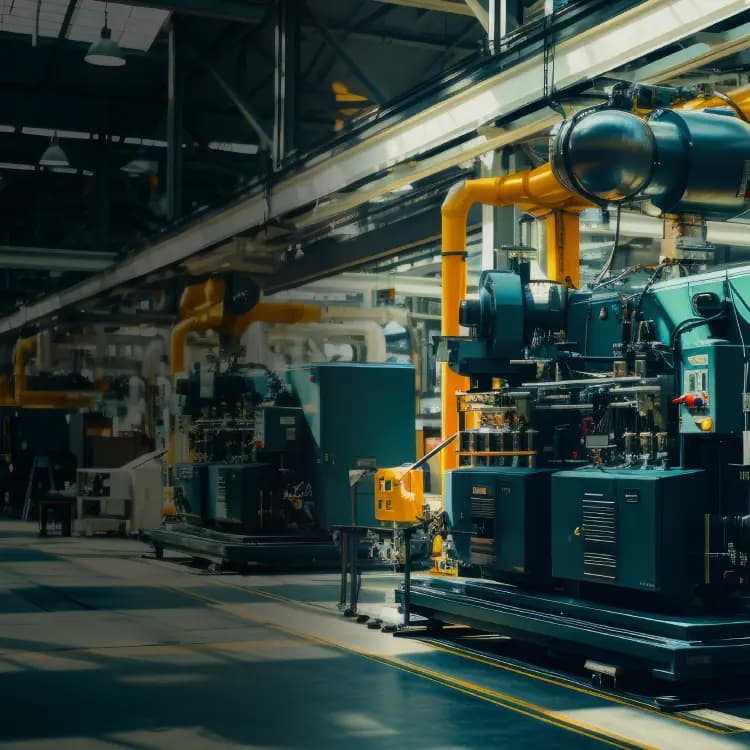
The manufacturing industry comprises businesses engaged in producing tangible goods Advances in automation, collaboration, innovation, and other areas also contribute to improving manufacturing quality and efficiency using AI and machine learning.
KNOW MOREFrequently Asked Questions
Quick answers to common questions about this service.
What are the key steps to starting a manufacturing business?
To start a production company, we conduct market research, create detailed business plans, raise safe funds, select appropriate places, acquire necessary permissions and licenses, and purchase equipment. It is necessary to develop a production process. In addition, it is important to create powerful supply chains, quality control measures, and create skilled labor.
How to choose a suitable location for your manufacturing plant?
Selecting the right location requires evaluating factors such as proximity to suppliers and customers, availability of skilled labor, infrastructure (such as utilities and transportation), property values, and local regulations. An ideal location will minimize transportation costs and provide easy access to key markets.
What permits and licenses are required to operate a manufacturing business?
The required authorizations and licenses vary depending on the industry and the location, but, as a rule, include commercial licenses, environmental authorizations (if applicable), health and safety certificates, and, possibly, the zoning resolution. Consult local, state, and federal regulatory authorities for specific requirements.
How can I finance my production company?
Funding options include personal savings, bank loans, venture capital, angel investors, and government grants. To increase your chances of receiving financing, prepare a comprehensive business plan and financial projections to present to potential investors and lenders.
What technologies and equipment should I consider for my manufacturing business?
The choice of technology and equipment will depend on the type of production and production process. Consider investing in automation, robotics, advanced machinery, and software systems to increase efficiency, precision, and scalability. Make sure the equipment fits your production needs and budget.
How do we ensure quality control in our production process?
Implement quality control measures such as regular inspections, testing, and adherence to industry standards. Consider implementing a quality management system such as ISO 9001 and using techniques such as statistical process control (SPC) to maintain high product standards.
What should a manufacturing business plan include?
Your business plan should include an overview, a product or service description, a market analysis, a marketing and sales strategy, an operations plan, a financial projection, and financing needs. A well-rounded plan helps in guiding the business and attracting investors.
How to recruit and manage a talented workforce?
Recruit a qualified workforce, create clear job descriptions, offer competitive wages, and provide training and development opportunities. Focus on creating a positive work environment and implementing effective HR practices to retain talent and ensure productivity.
What are the common challenges when starting a manufacturing business?
Common challenges include securing adequate funding, complying with regulations, managing supply chain logistics, maintaining consistent quality, and adapting to technological changes. Addressing these challenges requires careful planning and a proactive approach.
How to stay competitive in manufacturing?
Staying competitive requires constant innovation, investment in cutting-edge technologies, optimizing production processes, and staying in touch with industry trends and market needs. To maintain a competitive advantage, we focus on quality, efficiency and customer satisfaction.