
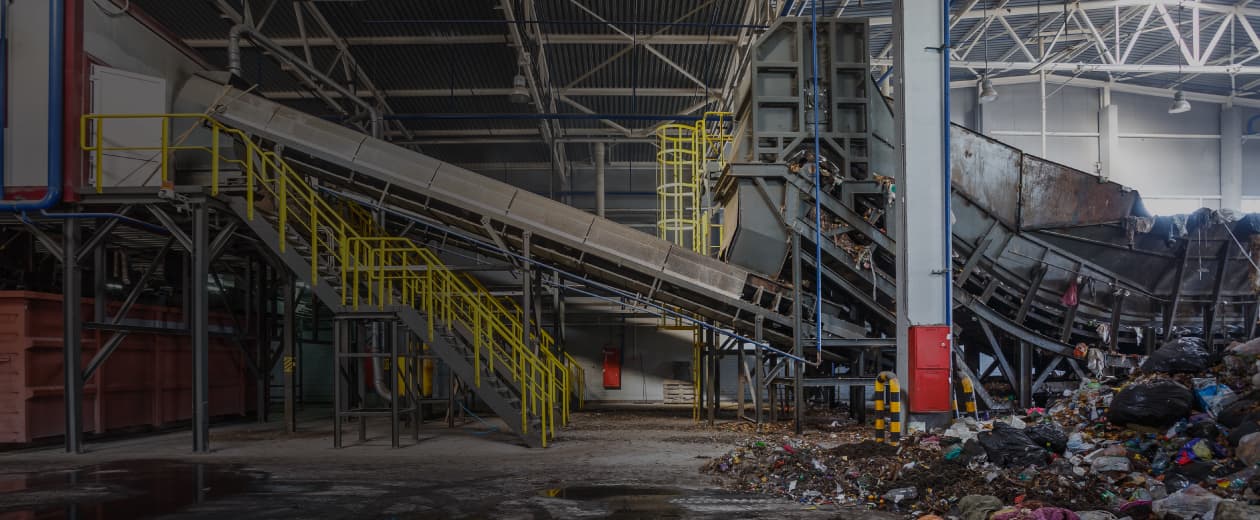
Hazardous Waste Recycling Plant
Hazardous Waste Recycling Plants safely process and repurpose dangerous materials to minimize environmental impact and recover valuable resources. These facilities utilize advanced technologies to ensure compliance with stringent regulations and protect public health.

Schedule a Call Back
Businesses we've worked with
Showing 348 clients- Plant setup clients (DPR, CTE, CTO)
- Servotech Renewable Power System · Intangles Lab · Alten India · Saurya Urja Company of Rajasthan · 20Cube Logistics Solutions · Adit Buildwell · Bake Wish · Ecowise Trading · Magnum Aluminium · PMS Waste Management · GS E-Commerce · Beaucience India · Jiva Ayurveda Pharmacy · Radical Aftermarket Services · SNS Metpro Industries · Enershell Alloys and Steel · Gorevive · Innovation Elephants · P P Bafna Ventures · Sun Mobility · Daebak India Recycler · Ganesh Foundry & Cast · Ganix Rubber Recycling · Pashidaa E Waste Copper Battery Recycling PLT Company · RSV Seeds & Agro Chemicals Products · Boulevard Hotel and Resorts · Dev Plast Privat E · Flexfit Activewear · Resurge Green Tech · SAM Constructions · Abhinandan Jan Kalyan Society · GCM Carbon · Infrathon Projects · Inland Speciality Metals · Moore Pipe India · R K Laxmi General Sales · S G Overseas · Shreeji Anand Resort · SR Polygrain · Switch 2 Nature · Blubble · M-Swasth Solutions · Krisba Healthcare · Meritech India · Proximise · Enzolt Energy · Rays Global Energypower · Champion EL COM · +45 more























Industries
Recycling & Waste Management
Recycling is an essential part of waste management. It helps to conserve natural resources, reduce landfill waste, conserve energy, and crea...
KNOW MORE ›Trading Business
Trade of a business reflects the value of services exchanged between domestic and foreign economic members, including the value of services ...
KNOW MORE ›Chemicals
There has been a global shift towards Asia as the world’s chemical manufacturing hub lately. The future of the chemical industry in India de...
KNOW MORE ›Hazardous Waste Recycling Plant Setup Industry In India
With growing environmental concerns and strict regulatory requirements, the need for effective hazardous waste management has never been greater. Hazardous waste treatment plants play a key role in this area, providing solutions for the safe and sustainable treatment of materials that pose significant risks to human health and the environment. This article looks at various aspects of hazardous waste treatment plants and discusses their importance, process, technology, benefits, and the future of hazardous waste management.
Understanding Hazardous Waste
Hazardous waste is any material that, due to its chemical, physical, or biological properties, poses a significant risk to health or the environment if not handled properly. These wastes can come from a variety of industries, including manufacturing, mining, pharmaceuticals, and agriculture. Common examples include solvents, heavy metals, pesticides, and some types of batteries.
Benefits of Hazardous Waste Recycling Plant Sector in India
- Reduced Environmental Impact: Recycling significantly reduces the environmental impact of hazardous waste. By transforming waste into less harmful substances or recovering valuable materials, these plants help minimize pollution and conserve natural resources.
- Economic Advantages: Recycling processes can be cost-effective compared to other waste management methods. Recovering valuable materials reduces the need for raw material extraction, lowering production costs for businesses.
- Regulatory Compliance: Recycling plants help industries comply with environmental regulations, thereby avoiding fines and enhancing corporate social responsibility profiles.
- Public Health and Safety: By effectively managing hazardous waste, waste treatment plants clean the air and water and reduce the health risks associated with pollution.
Need for Hazardous Waste Recycling Plant Setup Industry
- Protecting the Environment: Improper disposal of hazardous waste can lead to soil contamination, water pollution, and poor air quality. Recycling helps reduce these risks by treating and recycling materials, which reduces potential harm to the environment.
- Resource conservation: Many hazardous waste materials contain valuable materials that can be recovered and reused. For example, metals such as lead, mercury, and cadmium can be recovered from batteries and e-waste, conserving natural resources and reducing the need for virgin materials.
- Regulatory Compliance: Governments around the world impose strict regulations on hazardous waste management. Recycling helps businesses comply with these regulations while avoiding potential fines and legal issues.
- Health and Safety: Proper recycling and disposal of hazardous waste reduces the risk of exposure to harmful substances and keeps the health of the public and workers safe.
Processes and Technologies in Hazardous Waste Recycling Industry
Hazardous waste recycling involves several key processes and technologies, each tailored to specific types of waste and their inherent risks. These include:
- Physical Treatment: This involves separating hazardous materials from non-hazardous ones through processes such as filtration, centrifugation, or magnetic separation. Physical treatment is often used as a precursor to more advanced treatment.
- Chemical treatment: Chemical methods change the chemical composition of hazardous waste to neutralize its harmful properties. Techniques such as oxidation-reduction reactions, neutralization, and precipitation are commonly employed.
- Thermal Treatment: This process involves the application of heat to hazardous wastes, either to incinerate them or to facilitate chemical reactions. Incineration is effective in reducing waste volume and destroying organic pollutants. Thermal treatment can also include processes such as pyrolysis and gasification.
- Biological treatment: Biological methods use microorganisms to break down harmful substances. Bioremediation and phytoremediation are two approaches that use bacteria, fungi, or plants to break down pollutants.
- Electrochemical treatment: Electrochemical methods use electric current to treat hazardous waste. Processes such as electrolysis contribute to the recovery of metals and detoxification of certain compounds.
- Advanced Oxidation Processes (AOP): AOPs use highly reactive species such as hydroxyl radicals to break down organic pollutants. This technology is particularly effective in treating wastewater contaminated by persistent organic pollutants.
Operational Aspects of Hazardous Waste Recycling Plants Industry
- Facility Design: Hazardous waste recycling plants are designed to handle various types of waste safely. They include specialized containment areas, advanced ventilation systems, and rigorous safety protocols to protect both the environment and personnel.
- Waste collection and separation: Effective recycling begins with the proper collection and separation of hazardous waste. Factories often work with industrial clients to ensure waste is properly classified and separated at source, facilitating a more efficient recycling process.
- Treatment and Recycling: Once received, waste is treated and recycled depending on its type and chemical characteristics. The choice of treatment technology depends on factors such as waste composition, quantity, and regulatory requirements.
- Quality control and monitoring: Ensuring that the recycling process meets environmental and safety standards requires ongoing monitoring and quality control. This includes not only analysis of the processed waste, but also regular analysis of the air, water, and soil around the site.
- Waste Management: Residues may remain after processing. These must be properly disposed of, either by further processing or safe disposal, to prevent harmful substances from being released into the environment.
Challenges of Hazardous Waste Recycling Plant Sector in India
- Complexity of waste streams: Hazardous waste can be highly diverse and requires special treatment methods. This complexity can make recycling difficult and expensive.
- Technological limitations: Despite technological advances, some hazardous materials may not be as widely available because they are difficult to recycle or require advanced solutions.
- Regulatory hurdles: It can be difficult for processors to navigate complex local, national, and international regulations. Compliance requires important resources and experience.
- National awareness: Treatment of harmful waste often satisfies the management of the people. Ensuring transparency and effective communication about security measures is important to maintain public trust.
Future of Hazardous Waste Recycling Plant Industry
The future of hazardous waste treatment is poised to see significant advances driven by technological innovations and evolving regulatory frameworks. Key trends include:
- Technological advances: New technologies such as artificial intelligence and machine learning will make waste sorting and recycling more efficient. Advanced materials science also leads to more efficient processing methods.
- Circular Economy: The concept of a circular economy, which minimizes waste and continuously reuses materials, is growing in popularity. This approach contributes to the development of new technologies and treatment practices.
- Acceleration of normative acts: As environmental problems increase, it is expected that the regulatory requirements for the management of hazardous waste becomes more strict, which will result in innovations and investments in recycling technology.
- Public Engagement: Increasing public awareness of hazardous waste and recycling is likely to increase community involvement and support for recycling initiatives.
Hazardous waste recycling plants are essential components of a sustainable and responsible approach to waste management. These facilities use advanced technology and rigorous processes to reduce environmental risks, conserve resources, and promote public health. As the industry evolves, continued innovation and regulatory improvements will shape the future of hazardous waste recycling to ensure it remains a vital tool for protecting the planet and its inhabitants.
Why Corpseed?
Corpseed can assist the hazardous waste recycling plant industry by providing expert guidance on regulatory compliance, facilitating the setup and operation of recycling facilities, and offering innovative solutions for waste management and technology integration.
Enquiry Now
Hazardous Waste Recycling Plant
Enquiry Now
Hazardous Waste Recycling Plant
Industries We Cater To
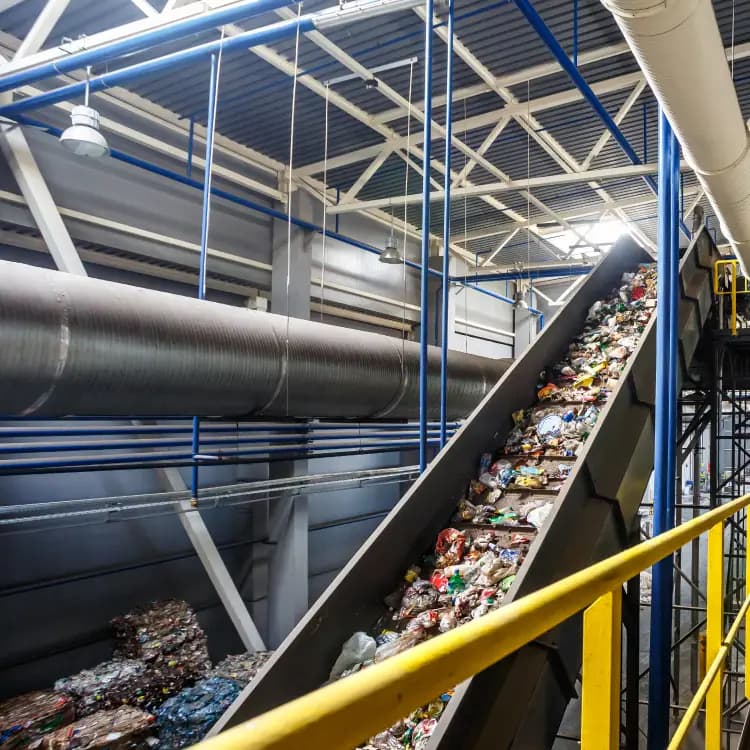
Recycling & Waste Management
Recycling is an essential part of waste management. It helps to conserve natural resources, reduce landfill waste, conserve energy, and create jobs. Recycling is easy and can be done by anyone.
KNOW MOREFrequently Asked Questions
Quick answers to common questions about this service.
What is a hazardous waste treatment plant?
A hazardous waste recycling plant is designed to process and recycle materials classified as dangerous, such as chemicals, batteries, and electronic waste, to reduce environmental impact and recover valuable resources.
Why is hazardous waste recycling important?
Hazardous waste recycling is essential to protecting the environment by preventing pollution, conserving natural resources through material recovery, ensuring regulatory compliance, and protecting public health.
What types of hazardous waste can be recycled?
Common types of hazardous waste treated include electronic waste (EO), batteries, solvents, pesticides, certain metals (such as lead and mercury), and contaminated soil.
What technologies are used in hazardous waste recycling?
Technologies include physical treatment (e.g., filtration), chemical treatment (e.g., neutralization), thermal treatment (e.g., incineration), biological treatment (e.g., bioremediation), and advanced oxidation processes (AOPs).
How do hazardous waste treatment plants ensure safety?
Safety measures include strict facility design with specialized protection, advanced ventilation systems, regular monitoring, and adherence to strict regulatory standards to protect both workers and the environment.
What do dangerous waste recycling plants face the main issues?
The task includes the handling of complex and diverse waste flow, high costs of advanced technology, navigation of regulatory requirements, and general awareness and concerns.
How does recycling hazardous waste benefit the economy?
Recycling ultimately contributes to economic sustainability by generating profits through the recovery of valuable materials, reducing the need for raw material extraction, and allowing companies to avoid fines and regulatory costs.
What happens to be wasted after treatment?
After treatment, treatment materials can be picked up and used with new products, but the leftovers are controlled by subsequent treatments or secure removal to prevent environmental pollution.
How can businesses ensure compliance with hazardous waste regulations?
Companies should work closely with certified waste treatment and disposal facilities, practice proper waste segregation, and stay up to date with local and international regulations.
What is the future of recycling harmful waste?
The future of dangerous waste recycling includes technological advances, increased adoption of the circulation economy, stricter regulations, and public involvement in sustainable waste management practices.