
Capital Goods
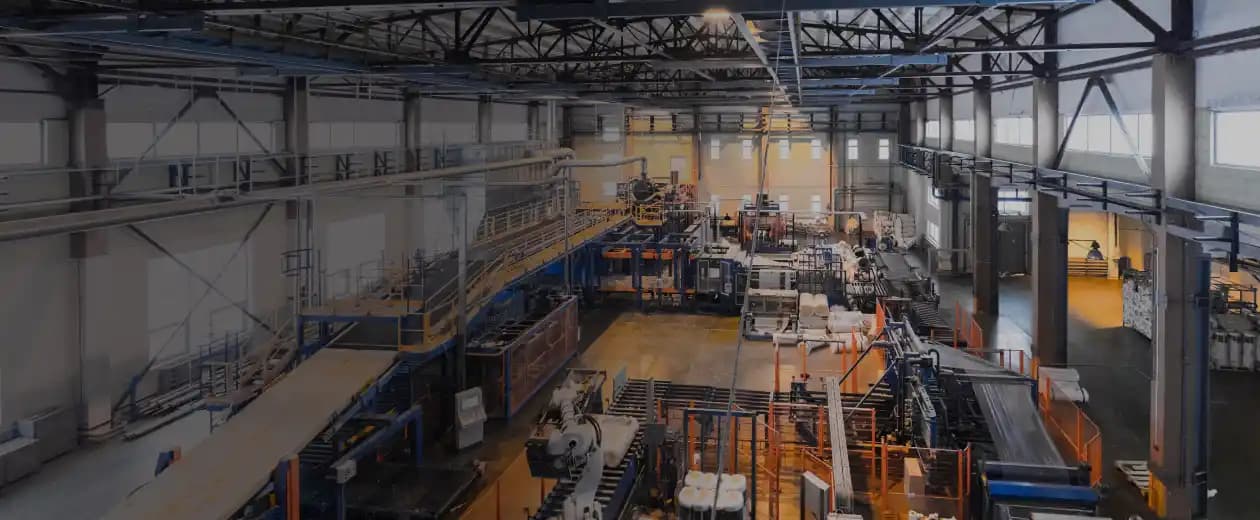
Capital goods are durable items like machinery and equipment used by businesses to produce other goods and services, driving industrial efficiency and economic growth. They are essential for enhancing productivity and supporting infrastructure development across various sectors.

Schedule a Call Back
Businesses we've worked with in capital goods
Showing 324 clients- Clients include
- Juki India · Hilti India · Hilti Manufacturing India · Birla Precision Technologies · Anest Iwata Motherson · Migatronic India · Guhring India Private · Bauer Equipment India · Kito India · Normet India · Wacker Neuson Equipment · Autonics Automation India · Technotorc Tools · Gemini Power Hydraulics · Isgec Heavy Engineering · Agromach Engineering · Annapurna Agronics Machinery · CM Pumps and Systems · Hunt and Mitton Valve · Hyperr Valves · L&T-Mhi Power Turbine Generators · Mgm-Varvel Power Transmission · Toshiba JSW Power Systems · Weiss Automation Solutions India · +21 more























Industries
Recycling & Waste Management
Recycling is an essential part of waste management. It helps to conserve natural resources, reduce landfill waste, conserve energy, and crea...
KNOW MORE ›Trading Business
Trade of a business reflects the value of services exchanged between domestic and foreign economic members, including the value of services ...
KNOW MORE ›Chemicals
There has been a global shift towards Asia as the world’s chemical manufacturing hub lately. The future of the chemical industry in India de...
KNOW MORE ›How to Setup Capital Goods Industry in India
The capital goods industry is of critical importance to the world economy in the production of machinery, equipment, and tools that help produce other goods and services. Capital goods are those goods used by businesses to improve production capabilities, thereby improving operational efficiencies—the exact opposite of consumer goods, which people purchase for personal use. This industry represents a very basic foundation for industrial growth and technological advancement into key sectors like manufacturing, construction, energy, and transportation.
Definition and Scope of Capital Goods Industry in India
Capital goods refer to those goods that have durability and are utilized in manufacturing other goods or services. They could alternatively be those machines to facilitate the operation, equipment, vehicles, or tools. Primary segments in the capital goods industry are:
- Machinery and Equipment: This consists of industrial machines, tools, and production lines.
- Building and Construction Equipment: This could include cranes, excavators, and other heavy construction machines.
- Transport Equipment: Aircraft, ships, and commercial vehicles.
- Electrical Equipment and Electronics: Diverse industrial electronic equipment, including industrial generators, and transformers.
Market Dynamics of Capital Goods Sector in India
Demand Drivers
Industrial Growth: Industrial sectors in developing countries are on the rise. Expanding industries like automobile, aerospace, and electronic industries require updated machinery and equipment.
- Technological Improvement: Technology innovation is a continuous process and opens up opportunities for replacement and upgrade of outdated capital goods. Automation, robotics, and digital technologies are huge contributors to industry development.
- Infrastructure Development: Investments in infrastructure projects—such as the construction of roads, bridges, and buildings—give rise to an increasing demand for construction equipment and machinery.
- Energy Sector Investments: Growing investments in renewable sources of energy and in the enhancement of energy efficiency spur demand for specialized kinds of equipment and machinery.
Supply Chain and Production
The capital goods industry contains a very complex supply chain, which involves several stages, right from the extraction of raw materials to its manufacturing and finally, its distribution. The major components are:
- Raw Material Suppliers: Providers of metals, polymers, and other materials used in manufacturing.
- Component Manufacturers: Companies engaged in the manufacturing of special parts and components that so many machinery and equipment require.
- OEMs: original equipment manufacturers, which are companies that assemble and produce final capital goods.
- Distributors and Dealers: It include all those entities that market, sell, and service capital goods.
Global and Regional Markets
The engineering industry is a global player in capital goods. The main regions are as follows:
- North America: A market dominated by high technologies and large productive capacity. In essence, the United States and Canada are major players, with a very strong emphasis on innovation and the development of infrastructure.
- Europe: high-quality manufacturing, and engineering excellence; Germany, Italy, and the UK are large contributors.
- Asia-Pacific is on a boom, and the significant contributors include China, Japan, and India. Within this region, China holds the lead in capital goods production and export.
- Latin America and Africa are developing markets, driven by growing demand as a result of infrastructure development and industrialization.
Industry Trends and Innovations of Capital Goods Industry in India
Technological Advancements
- Automation and Robotics: Integrating robots and automated systems for more efficiency and precision into production lines. AI and machine learning are increasingly applied in predictive maintenance and operational optimization.
- IoT stands for Internet of Things: Allowing real-time monitoring and control of the machinery, hence improving operational efficiency and reducing downtime.
- 3D Printing: Additive manufacturing technique revolutionizing the way parts and components are made—enabling rapid prototyping and customized solutions.
Sustainability and Green Technologies
- Energy Efficiency: The manufacturers are developing energy-efficient machinery and equipment; this aids in meeting regulatory requirements and diminishes operation costs.
- Recycling and Circular Economy: This shall be focussed on material recycling and circular economy practices for designing out waste and promoting low environmental impact.
- Renewable Energy Integration: Design devices and systems that integrate renewable sources such as solar panels and wind turbines.
Digital Transformation
- Smart Manufacturing: Digital twins, augmented reality, and virtual reality aid processes related to design, training, and maintenance.
- Data Analytics: Use big data and analytics in running an efficient production house, forecasting demands, and making better decisions in businesses.
Future Prospects of Capital Goods Industry in India
The outlook for the capital goods sector is one of strong growth, driven by technology advances, increasing industrialization, and infrastructure development. The future focus areas would include:
Sustainable Practices: More attention to sustainability and green technologies would be paid to ensure a greener environment and for compliance with new regulations.
Digital Integration: More integration of digital technologies such as AI, IoT, and data analytics to derive operational efficiency and innovation.
Growth Opportunities in Emerging Markets: New opportunities in terms of growth and expansion will also come to the companies with growing demand from emerging markets—especially in Asia and Africa.
The capital goods industry is the backbone of modern economies since it provides the tools and equipment necessary for industrial production and the development of infrastructure. In this moment of fast technological developments and emerging global markets, the industry needs reinvention of new challenges and opportunities. An innovative approach toward sustainable development and digital transformation will allow the capital goods sector to continue steering future growth and become a further relevant factor for economic development worldwide.
Why Corpseed
Services of Corpseed in the capital goods sector range from business support processes to a whole range of services including:
- Regulatory Compliance: The assistance for companies concerning licensing and certification requirements or environmental regulations in the capital goods industry.
- Market Entry and Expansion: Help concerning market research, business registration, and getting relevant regulatory approvals for market entry or expansion.
Corpseed's expertise lies in ensuring that capital goods manufacturers and businesses have the capability to effortlessly sail through the regulatory landscapes and harness growth opportunities.
Enquiry Now
Capital Goods
Enquiry Now
Capital Goods
Industries We Cater To
Manufacturing
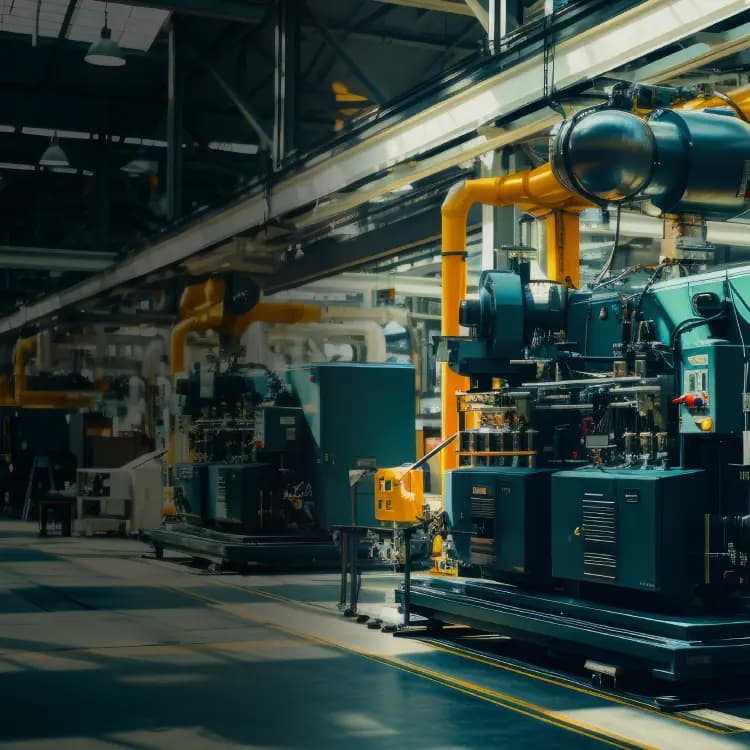
The manufacturing industry comprises businesses engaged in producing tangible goods Advances in automation, collaboration, innovation, and other areas also contribute to improving manufacturing quality and efficiency using AI and machine learning.
KNOW MOREFrequently Asked Questions
Quick answers to common questions about this service.
What are capital goods?
Capital goods are durable items used in the production of other goods and services. They include machinery, equipment, tools, and vehicles that businesses use to create products or deliver services. Capital goods, in contrast to consumer goods, are bought for use in business processes and production.
How do capital goods differ from consumer goods?
Capital goods are the ones to be transformed into other products or services, while consumer goods are those directly consumed for personal utility. For example, a factory's assembly line machinery is a capital good, while a smartphone bought by a consumer is a consumer good.
What are some examples of capital goods?
Examples of capital goods include:
- Machinery: Lathes, milling machines, and assembly robots.
- Construction Equipment: Cranes, excavators, and bulldozers.
- Transport Equipment: Commercial trucks, airplanes, and ships.
- Electrical Equipment: Generators, transformers, and industrial controls.
Why are capital goods important for the economy?
Capital goods are important for the economy as they enable a business concern to successfully produce goods and services. They contribute to increased productivity, technological advancement, and infrastructure development, driving economic development and improving living standards.
What are the key sectors that utilize capital goods?
Key sectors that use capital goods include:
- Manufacturing: Machinery and equipment used in production processes.
- Construction: Heavy machinery and tools used in building projects.
- Energy: Equipment for generating and distributing power, including renewable energy systems.
- Transportation: Vehicles and infrastructure for moving goods and people.
How does technological advancement impact the capital goods industry?
Technological advancements drive innovation in the capital goods industry, leading to the development of more efficient, precise, and versatile machinery and equipment. Advances such as automation, robotics, and digital technologies enhance productivity and operational efficiency, influencing the design and functionality of capital goods.
What role does automation play in the capital goods industry?
Automation plays a significant role by improving production efficiency, reducing labor costs, and enhancing precision in manufacturing. Automated systems and robotics can handle repetitive and complex tasks, leading to higher productivity and consistent quality in capital goods production.
What are the challenges faced by the capital goods industry?
Challenges include:
- Economic Fluctuations: Economic downturns can reduce demand for capital goods.
- Supply Chain Disruptions: Issues such as raw material shortages and transportation delays can impact production.
- Technological Adaptation: Keeping up with rapid technological changes requires continuous investment in R&D.
- Regulatory Compliance: Adhering to environmental and safety regulations can increase operational costs.
How does the capital goods industry address sustainability?
The capital goods industry addresses sustainability by:
- Developing Energy-Efficient Products: Creating machinery and equipment that consume less energy.
- Implementing Recycling Practices: Utilizing recycled materials and promoting circular economy principles.
- Adopting Green Technologies: Integrating renewable energy solutions and reducing emissions in production processes.
What is the future outlook for the capital goods industry?
The future outlook is positive, with expected growth driven by technological advancements, increasing industrialization, and infrastructure investments. Key trends include greater emphasis on digital transformation, sustainability, and emerging market opportunities. Companies that innovate and adapt to changing demands will likely lead the industry’s growth.
How do capital goods affect small and medium-sized enterprises (SMEs)?
For SMEs, capital goods are essential for scaling operations, improving efficiency, and competing in the market. Investments in modern machinery and technology can enhance productivity and product quality, allowing SMEs to grow and expand their market presence.