
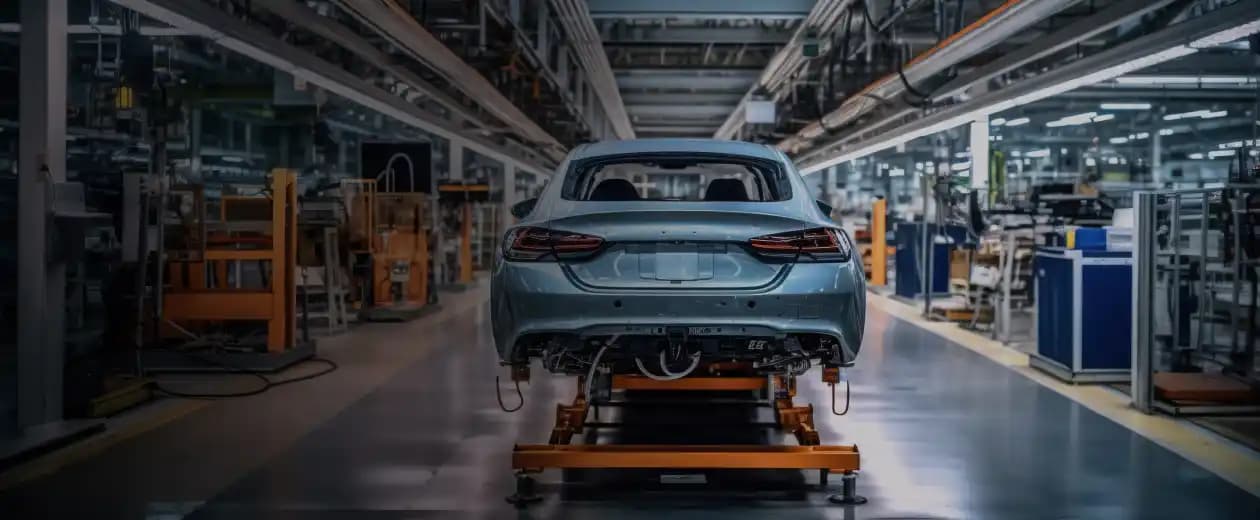
Automobile
The assembly of parts to create cars, trucks, and other motor vehicles is known as automotive manufacturing. This procedure is intricate and includes various phases, such as designing the vehicle and its parts, putting together the components, testing the vehicle, and ultimately handing it over to customers.

Schedule a Call Back
Businesses we've worked with in the automobile industry
Showing 320 clients- Clients include
- Bundy India · BMW India · Aptiv Connection Systems India · Subros · Federal-Mogul Bearings India · Denso India · Aptiv Components India · ATC Tires · Franklin EV India · Global Autotech · Shinpoong Automotive India · Hirotec India · Setco Auto Systems · ATC Tires AP · Porwal Auto Components · Walterpack Automotive Products India · Antony Commercial Vehicles · Ceat · Kwangjin India Auto Systems · Tresa Motors · +17 more









































































































Industries
Recycling & Waste Management
Recycling is an essential part of waste management. It helps to conserve natural resources, reduce landfill waste, conserve energy, and crea...
KNOW MORE ›Trading Business
Trade of a business reflects the value of services exchanged between domestic and foreign economic members, including the value of services ...
KNOW MORE ›Chemicals
There has been a global shift towards Asia as the world’s chemical manufacturing hub lately. The future of the chemical industry in India de...
KNOW MORE ›How to Setup Automobiles Industry In India
A business like an Automobile, has to be driven to get results.
The assembly of parts to create cars, trucks, and other motor vehicles is known as automotive manufacturing. This procedure is intricate and includes various phases, such as designing the vehicle and its parts, putting together the components, testing the vehicle, and ultimately handing it over to customers. The production of automobiles necessitates specialized machinery, expert technicians, and a range of raw materials.
Project Planning for Automobile Industry
Effective project management is crucial within the automotive sector to ensure the successful development and delivery of products. Project Managers, Program Managers, and PMO Leads are specific roles in project management that are in charge of planning, budget management, stakeholder management, and change management. Skills that are not directly taught include problem-solving, leadership, communication, and risk assessment. Project management roles commonly stem from operations and R&D departments, with cross-functional and cross-departmental projects being popular. Skills such as technical knowledge, change management, and quality management are equally important. In general, project management is essential for meeting business goals in the automotive sector.
Demand: Customers are becoming the focal point of the automotive ecosystem due to their growing purchasing power, extensive product knowledge, changing preferences, and desire for customized offerings. Recognizing evolving customer needs and being able to cater to them uniquely will give a significant competitive edge. Due to rising disposable income and the adoption of new technologies, there is an anticipation of increased demand for vehicles in the Indian economy. They are looking for additional services like upkeep, insurance, and funding. Addressing these evolving consumer behavior patterns and meeting customers' enhanced requirements is most effectively achieved through the implementation of comprehensive automotive strategy consulting services offered by our robust automotive consulting firm
ROI: Technology has transformed the way automobiles are designed, manufactured, and sold in the auto industry. There will be a notable increase in autonomous transportation, including shared fleets and ride-hailing services like Uber.
About supply chain and operations (such as digitalization, robotics, and 3-D printing): The implementation of fresh technologies has greatly influenced the production procedures of car makers, leading to improved cost efficiency, quality management, and customization of products. The automotive sector plays a crucial role in the economy and has a significant influence on both local and global economies.
Concerning business models like mobility as a service and vehicle sharing, the EV supply chain is predicted to grow rapidly as environmentally conscious Indian consumers embrace greener practices. The future of mobility in India is being transformed by the advancement of digitization and the quick adaptability of consumers.
Machine: There is a movement towards new technologies in the Indian automotive industry. As electric vehicles, connected cars, and autonomous driving technologies become more common, businesses must stay updated on the latest trends and innovations in the industry. Our automotive strategy consulting services keep businesses ahead by offering guidance on new technologies and trends, assisting in developing strategies for their adoption, and providing the necessary tools for their effective implementation.
Investment: The evolution of smart infrastructure, such as smart cities, along with alternative transportation methods and the push for electric vehicle charging infrastructure, will transform the landscape of mobility infrastructure. Charging stations for electric vehicles are being used in many locations in order to reduce pollution, but electric vehicles still have a ways to go before they are commonly used. As electric vehicles become more common in India, automotive companies will need to adjust their strategies to accommodate the changing infrastructure.
Compliance: Significant regulatory actions, like the quick change from BS IV to BS VI, the uptake of electric cars, safety regulations, and strict vehicle standards, are causing a transformation in vehicle technology. This is presenting major obstacles for the automotive sector and associated industries like energy, oil & gas, transportation, and urban development. Furthermore, the government is making significant investments in research and development (R&D) to innovate new technologies that reduce air pollution and improve fuel efficiency.
Technology/Machinery Used in the Automobile Industry
Utilizing CNC machines in the automotive sector involves creating various automobile components through processes like casting, turning, drilling, grinding, and milling. CNC technology sped up the manufacturing process in the automotive sector, leading to a significant rise in production figures.CNC machines employ software to control factory tools during various manufacturing and prototyping processes. This technology dates back to the 1960s and utilizes 3D cutting - users input commands and feed their designs into the system, allowing the CNC machine to create a precisely cut finished product. This is a factor contributing to the utilization of CNC machines in the automotive sector. The machines perform best when they receive proper maintenance from skilled and experienced mechanical contractors. Regular preventative maintenance is necessary at intervals suggested by the manufacturer. Without regular upkeep, machines may malfunction, resulting in periods of inactivity and decreased productivity. Mechanical contractors can also guarantee a safe working environment for both machines and humans. They accomplish this by making sure the machines are working correctly and constructing machine guards around them.
Compliance required in the Automobile Industry
Regulations for car manufacturers include safety and emission standards, certification and testing needs, roadworthiness certification, and manufacturing and design criteria. The Ministry of Road Transport and Highways, ARAI, and BIS are regulatory bodies that oversee the automobile industry in India. Industry sustainability and reputation depend on compliance, so industry stakeholders must make compliance a top priority and maintain the highest ethical standards. Specific regulations are necessary for every organization to meet basic requirements before starting a new business in the automotive industry. This list consists of the Companies Act (2013), The Partnership Act, the Society Registration Act (1960), The Government Buildings Act (1899), The Electricity Act (2003), The Shop and Establishment Act (1953), and the Factories Act (1956). These regulations must be strictly adhered to by companies regarding establishing a manufacturing facility, outlining the definition of factories and businesses.
Layout Design Consultation for Automobile Industry
The systematic organization of equipment, procedures, and services within a manufacturing facility is known as plant layout design. The main objective is to improve overall Space Efficiency while maintaining high-quality output to maximize production efficiency. This includes all aspects of establishing a cost-efficient and efficient workspace for a Manufacturing Factory Layout Plan, also referred to as Factory Plant Layout Design Services.
Optimizing factory layout, dealing with space restrictions, and adjusting to the shift towards Electric Vehicles (EVs) are key factors that require close consideration.
Having an effective layout design in a factory is essential for improving production efficiency, minimizing material handling, and guaranteeing a secure, ergonomic workspace. Accomplishing this optimization can be complex, requiring meticulous evaluation of equipment positioning and production procedures. At the same time, the need for strategic design and expansion planning is heightened by the lack of space in current facilities, making the process challenging due to physical limitations. Achieving a balance between space requirements and current infrastructure is vital in the planning of automotive factories, particularly amid the EV industry's changes. Adjusting to new manufacturing techniques and infrastructure specific to electric vehicles requires creative methods to thrive in this constantly evolving and competitive industry.
Operations related to Automobile Sector
Managing operations in automotive assembly, particularly in the paint shop, is a complicated task. Strong water treatment and process knowledge is essential for overseeing the pre-treatment and ECoat stages of surface preparation, the paint booth, and a wet or dry paint overspray separation system. Daily operations involve various vendors and may experience a high turnover of skilled operators. This mixture may lead to a decrease in productivity and increased operational expenses.
Waste management of Automobiles Industry
Many countries have put forth various initiatives to manage solid waste globally. Professionals have started and suggested approaches to minimize waste volume.
Reducing, preventing, recovering, repackaging, composting, recycling, reusing, landfilling, incinerating, etc. are some of the main methods currently employed for waste management in general. Numerous proposals for solid waste management have been put forward in various countries worldwide. Experts have started and suggested plans to decrease the amount of waste. Reduction, prevention, recovery, repackaging, composting, recycling, reusing, landfill, incineration, etc. are some of the main methods currently employed for waste management overall.
ESG of Automobile Industry
ESG in the automotive sector shows an increasing acknowledgment of sustainability's significance in driving lasting business prosperity, along with a dedication to transparently and accountably dealing with critical sustainability issues.
In recent years, the automotive sector has faced growing demands to tackle environmental, social, and governance (ESG) concerns. Therefore, companies in the industry are increasingly focused on ESG reporting. Nevertheless, ESG reporting poses various difficulties within this particular industry.
Implementing ESG Reporting in Automobile Industry
Your ESG reporting efforts are a part of the broader landscape of sustainability issues. The goal of ESG reporting is to demonstrate how your company aligns with the various aspects of global sustainability issues. One way of conceiving this landscape is through layers stacked on each other. The top-level of sustainability issues are UN Sustainable Development Goals (SDGs) and the Paris Climate Agreement. ESG reporting frameworks have shaped legislation because large parts of them are currently being adopted as part of the CSRD.
Environmental Social Due Diligence/Audit in Automobile Industry
The automotive industry faces challenges such as fluctuating market demand, intense competition, business models spread across different locations, and customer expectations for additional features and greater value. The global regulatory forces are putting pressure on the industry to ensure ethical and compliant business practices as they address these challenges.
To reduce operational, ESG, and integrity risks, automotive companies need to understand their third-party relationships and confirm their adherence to existing laws. The assessment of suppliers and distributors must include evaluating their reliability and consistency, as well as ensuring that they do not pose any risks related to sanctions, bribery, or corruption.
Our solutions for managing third-party risks assist automotive companies in striving for integrity, profitability, sustainable practices, and societal impact, while also ensuring compliance with regulatory requirements.
Natural Raw Materials used in Automobile
Different types of raw materials are utilized in the automotive production processes. This consists of iron used in steel production, petroleum items, rubber, and aluminum. All these raw materials are utilized in producing various parts and components for your vehicle.
Iron is one of the key materials utilized in automotive production. This is due to its role in producing steel, a strong and long-lasting sheet metal crucial for building the body parts of your cars. Aluminum is another significant material utilized in the automotive manufacturing process. This substance is less heavy than steel and is utilized for making lightweight automotive components. Rubber is utilized for producing tires and other vehicle components that necessitate elasticity. Petroleum is utilized for the production of plastics and other synthetic materials which are essential for manufacturing automobiles.
Therefore, it is clear that the process of producing automobiles involves the need for a range of raw materials to manufacture the different components and parts needed for your cars. Indeed, these raw materials are crucial for building vehicles that are both safe and dependable.
Scheme of Government Related to the Automobile Industry
The PLI-Auto Scheme was given the green light by the Union Cabinet with a budget allocation of Rs. 25,938 crore for 5 years (FY2022-23 to FY2026-27). The PLI-AUTO Scheme aims to enhance the production of Advanced Automotive Technology (AAT) Products. This plan will also assist in supporting and encouraging extensive localization for AAT products while fostering the development of both domestic and international supply chains.
The Scheme is centered on Zero Emission Vehicles (ZEVs) such as Battery Electric Vehicle and Hydrogen Fuel Cell Vehicle. The benefit offered by the program is valid for 5 years, from FY 2022-23 to FY 2026-27, with payments scheduled for the following financial year, FY 2023-24 to FY 2027-28.
Why Corpseed
The team in charge of automotive at Corpseed blends industry, technical, and functional expertise to offer customers solutions that give them a competitive edge.
We collaborate with partners in the automotive industry, assisting them from planning to implementation. We offer a wide range of services which include creating innovative strategies and implementing solutions in various business sectors such as operations, finance, HR, IT, regulations, tax, risk and deals.
Enquiry Now
Automobile
Enquiry Now
Automobile
Industries We Cater To
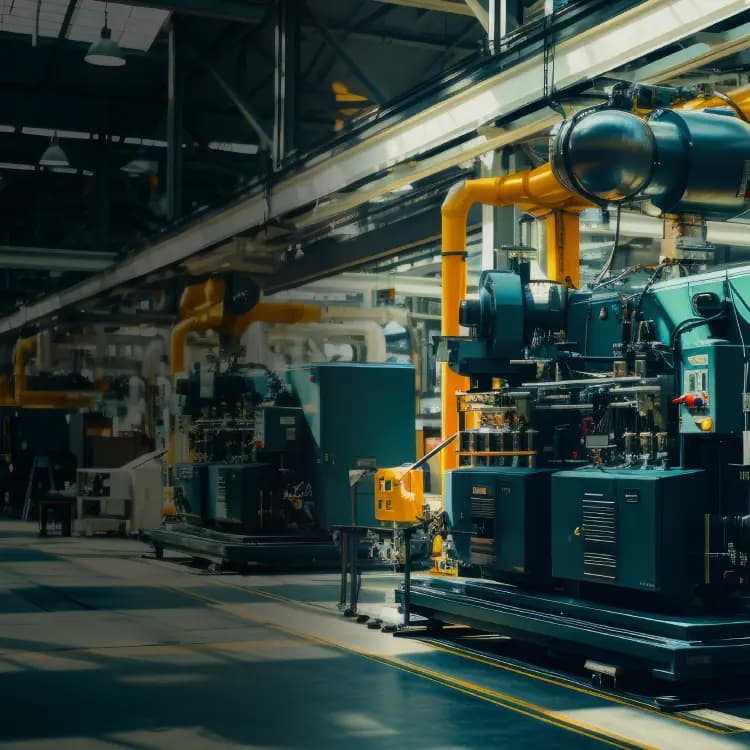
Manufacturing
The manufacturing industry comprises businesses engaged in producing tangible goods Advances in automation, collaboration, innovation, and other areas also contribute to improving manufacturing quality and efficiency using AI and machine learning.
KNOW MOREFrequently Asked Questions
Quick answers to common questions about this service.
What are the stages of the automotive production procedure?
The process of making cars usually includes various stages like designing, creating prototypes, testing, manufacturing, putting together, and delivering.
Which materials are utilized in the production of vehicles?
Steel, aluminum, plastic, rubber, and glass are commonly utilized materials in the automotive manufacturing industry.
What safety rules apply to automotive production?
Safety regulations for the automotive manufacturing industry consist of rules regarding the use of machine guards, personal protective gear, handling hazardous materials safely, and storing materials correctly.
What is the objective of quality control in the production of automobiles?
Quality control is implemented in automotive manufacturing to guarantee the safety and compliance of the produced vehicles. This includes examining parts and materials before and after they are put together.
What is the process for putting together automotive parts?
Various tools like rivet guns, presses, and spot welders are commonly used to assemble automotive components.
What is the role of automation in the manufacturing of automobiles?
Automation is utilized in the automotive industry to cut expenses and enhance productivity. Automated machines and robots are suitable for activities like welding, painting, and assembly.
Why is lean manufacturing important in the automotive manufacturing industry?
Lean manufacturing is applied in the automotive industry to minimize waste and optimize efficiency through simplifying the manufacturing process. It consists of streamlining or removing unnecessary processes and maximizing resource utilization.
What is the supplier's function in the automotive manufacturing process?
A supplier for the automotive industry supplies the components and materials required for the production process. Their responsibility is to guarantee the quality and timely delivery of the parts.
Which technologies are employed in automotive production?
Robots, CAD, CAM, and 3D printing are typical technologies found in automotive production.