
Knowledge Centre
Articles, guides and latest updates — clean UI, fast reading, and category-wise browsing.
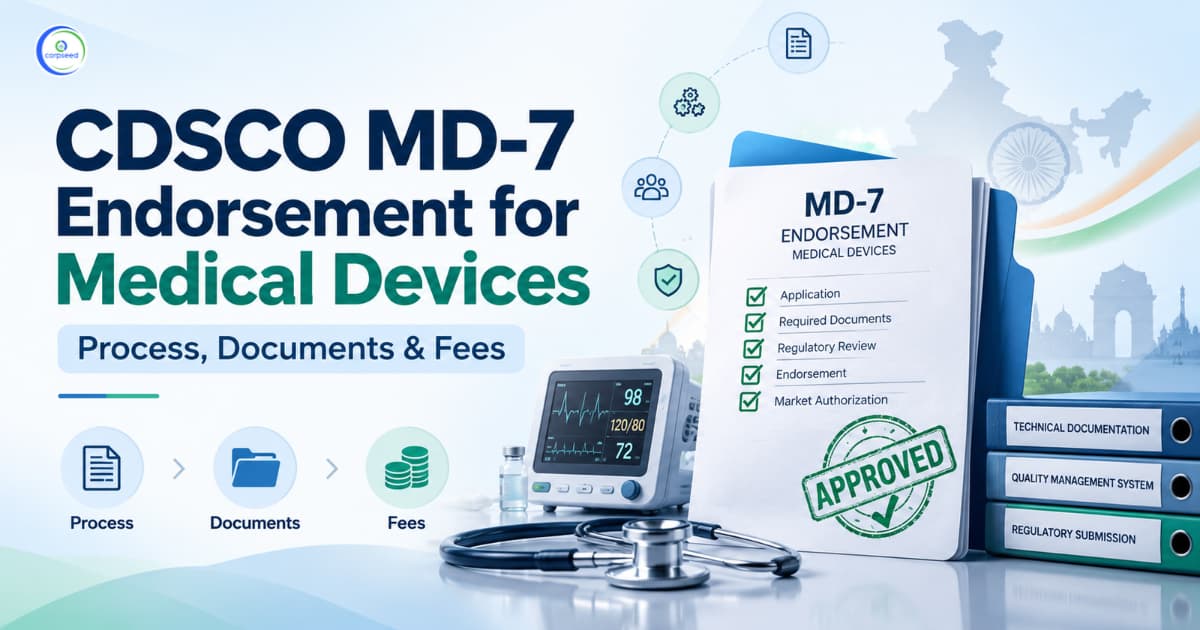
You’ve got your Class C or Class D manufacturing licence. Your team has just finished a new device, or a new size of an existing one. Can you start selling it? Not yet. In India, every devic…
On 12 October 2026, the Central Drugs Standard Control Organisation (CDSCO) answered an important query from companies manufacturing recombinant DNA (r-DNA) drugs, regarding whether there wa…
CDSCO registration is the legal approval you need from India’s drug and device regulator to manufacture, import, sell or distribute medical devices, drugs and cosmetics. The exact CDSCO lice…
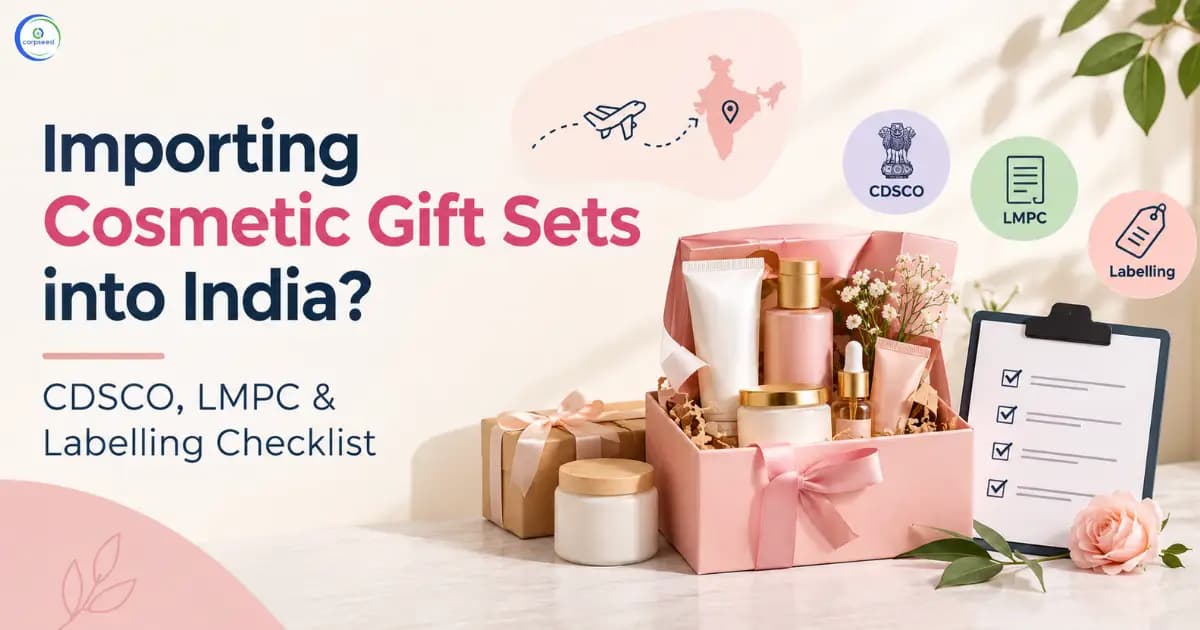
Importing cosmetic gift sets into India involves more than arranging international shipping. Depending on the products and how they are packed and sold, importers may need to consider regist…
Businesses working with medical devices, drugs, cosmetics, and other regulated healthcare products have to deal with a range of regulatory requirements in India.
CDSCO registration for lab equipment and diagnostic devices depends on the product's intended use, regulatory status and classification under the Medical Devices Rules, 2017.
Obtaining CDSCO approval for imported medical devices in India requires strict adherence to the Medical Devices Rules, 2017. Importers and authorised Indian agents must determine the correct…
CDSCO registration for orthopaedic and implantable devices involves identifying the device correctly, determining its risk class, preparing the required technical and regulatory documents, a…
A CDSCO test license allows eligible drugs to be manufactured or imported in limited quantities for specific purposes such as examination, testing, or analysis, rather than for regular comme…

This guide covers Drug License Registration in India under the Drugs and Cosmetics Act, 1940 and Rules, 1945. It details retail, wholesale, and manufacturing licence categories, eligibility …

Getting a drug approved by the Central Drugs Standard Control Organisation (CDSCO), is an important regulatory milestone but it does not mark the end of a company's responsibilities.

A combination product can contain a drug and a medical device in one product, or in a single treatment system. This makes its regulatory approval different from that of a standalone drug, or…

This guide details CDSCO’s registration process for AI-driven medical devices under India’s Medical Device Rules, 2017. It explains how to classify software based on risk (Class A–D), prepar…

Software used for diagnosis, screening, monitoring or treatment can fall under India’s medical device regulations when it meets the regulatory definition of a medical device.
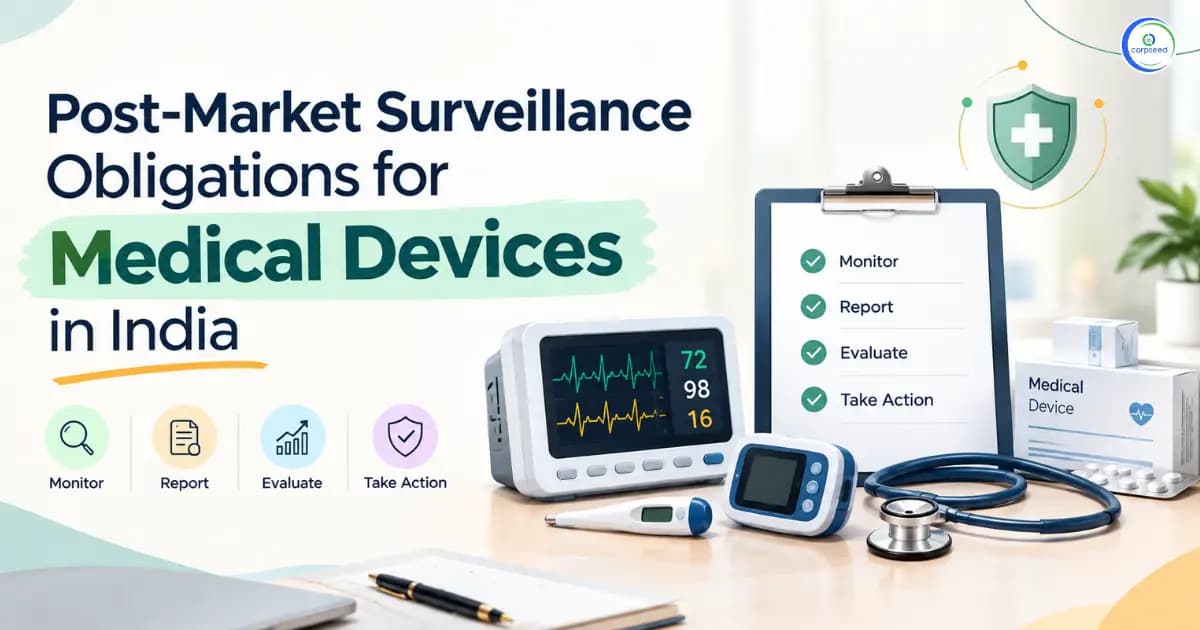
Post-market surveillance medical devices India is an ongoing compliance responsibility that begins once a device is placed on the market. It involves monitoring complaints, adverse events, d…
This guide outlines mandatory cosmetics testing in India under CDSCO’s Cosmetics Rules, 2020. It details key evaluation parameters including heavy metal analysis, microbiological testing, an…

This guide details medical device testing in India under CDSCO’s MDR 2017 regulations. It covers risk classifications (Class A to D), key evaluation parameters like biocompatibility and elec…
India is the world's third-largest pharmaceutical market by volume and the largest supplier of generic medicines globally, with pharmaceutical products exported to more than 200 countries.
Planning to manufacture or import an in-vitro diagnostic (IVD) device in India? Before placing the product on the market, businesses need to understand the CDSCO requirements that apply to t…

If you manufacture or import disposable medical devices in India, CDSCO compliance is one of the first things you need to consider.